

TPU 3D Printing Guide: Flexible Parts

When a project calls for parts that need to bend, compress, absorb impact, or seal against another surface, rigid plastics fall short. That is where TPU comes in. At CLT 3D Printing in Charlotte, NC, we produce flexible TPU parts for manufacturers, product developers, and engineering teams across the region, from custom gaskets and vibration dampeners to wearable device housings and protective bumpers. This guide covers everything you need to know about TPU as a 3D printing material, including its properties, ideal applications, limitations, and how to decide if it is the right choice for your project.
What Is TPU?
TPU stands for Thermoplastic Polyurethane. It is a rubber-like flexible filament used in FDM 3D printing that bridges the gap between rigid plastics like PETG or ABS and fully soft materials like cast silicone. Unlike those rigid materials, TPU can stretch, compress, and return to its original shape repeatedly without cracking or deforming permanently.
What makes TPU unique among 3D printing materials is its tunability. It is available in a range of hardness levels, from soft and pliable to firm and springy, which means a single material category can cover applications from squishy phone cases to stiff protective enclosures. TPU is printed at moderate temperatures and bonds well layer to layer, producing parts with good isotropic strength, which is an important consideration for functional flexible components.

Key Properties of TPU
Understanding TPU’s print parameters and mechanical characteristics helps determine whether it is the right fit for your application. Here is a summary of typical TPU properties:
| Property | Typical Value |
|---|---|
| Print Temperature | 220 - 250°C |
| Bed Temperature | 40 - 60°C |
| Shore Hardness | 85A - 95A |
| Elongation at Break | 400 - 600% |
| Abrasion Resistance | Excellent |
| Chemical Resistance | Good (oils, greases, many solvents) |
| UV Resistance | Moderate |
| Layer Adhesion | Excellent |
| Recommended Print Speed | 20 - 35 mm/s |
These values vary by specific TPU formulation. Softer TPUs (closer to 85A) require slower print speeds and more careful tuning, while firmer TPUs (closer to 95A) handle more like standard rigid filaments. We calibrate settings for each project based on the specific hardness and part geometry involved.
Best Applications for TPU
TPU’s combination of flexibility, toughness, and chemical resistance makes it the best material choice for a broad range of functional parts. Here are the applications where we most commonly recommend TPU to our Charlotte, North Carolina clients:
- Gaskets and seals. Custom-fit sealing components for enclosures, fluid systems, and industrial equipment. TPU gaskets conform to uneven mating surfaces and maintain a seal under compression.
- Vibration dampeners and isolators. Mount pads and bushings that absorb vibration and reduce noise transmission in machinery, electronics, and automotive assemblies.
- Protective bumpers and guards. Impact-absorbing components for robotics, drones, automated equipment, and consumer products.
- Grips and handles. Ergonomic over-molds and standalone grips for tools, instruments, and equipment handles.
- Phone cases and device enclosures. Flexible housings that protect electronics while allowing access to buttons and ports.
- Wearable devices and shoe insoles. Body-conforming components that need to flex with movement while maintaining structural integrity.
- Bellows and flexible enclosures. Accordion-style covers for linear actuators, cable pass-throughs, and dust protection on CNC machines.
- Automotive bushings and mounts. Replacement suspension bushings, engine mounts, and interior trim components for classic car restorations and custom vehicle builds. Lake Norman, NC motorsports teams use TPU for prototype bushings before committing to production tooling.
TPU Strengths
TPU brings a set of mechanical properties that no rigid 3D printing material can replicate:
- Flexible and elastic. TPU parts bend, stretch, and compress without permanent deformation. Parts return to their original shape after repeated loading cycles, making TPU suitable for dynamic applications that see continuous mechanical stress.
- Excellent abrasion resistance. TPU resists surface wear better than most other 3D printing materials, including nylon. This matters for parts that slide, rub, or contact rough surfaces during normal operation.
- Chemical resistant. TPU holds up well against oils, greases, fuels, and many common industrial solvents. This makes it a practical choice for gaskets and seals in manufacturing environments across the Charlotte, NC area.
- Impact absorbing. Rather than cracking on impact like PLA or ABS, TPU deforms and recovers. This energy absorption characteristic is why it is the preferred material for bumpers, guards, and protective enclosures.
- Strong layer adhesion. TPU bonds exceptionally well between layers during printing, which reduces the risk of delamination under stress. Parts are strong in all orientations, not just along the print plane.
- Fatigue resistant. TPU will not crack under repeated flexing or compression cycles. Parts that need to flex thousands or millions of times without failure (hinges, bellows, vibration mounts) are ideal candidates.
TPU Limitations
TPU is the best material for flexible applications, but it comes with trade-offs that are important to understand before committing to it:
- Slow print speeds. TPU must be printed significantly slower than rigid materials, typically 20 to 35 mm/s compared to 60 to 100 mm/s for PETG. This increases production time and cost, especially on larger parts.
- Stringing issues. TPU’s elastic nature makes it prone to stringing, where thin wisps of material are left between features during travel moves. Post-processing to remove strings is often necessary, particularly on parts with complex geometry.
- Lower dimensional accuracy. Flexible materials are inherently harder to control dimensionally than rigid ones. Tolerances on TPU parts are typically wider than what you would achieve with PLA or PETG, so designs should account for this.
- Limited overhang capability. Support structures are harder to remove from TPU without damaging the part, and overhangs tend to sag more than with rigid materials. Designing parts to minimize overhangs produces better results.
- Cannot be vapor smoothed. Unlike ABS, which can be acetone-smoothed for a polished finish, TPU has no practical vapor smoothing option. Surface finish is dictated by print settings and layer height.
- Fewer color options. TPU is available in fewer colors than materials like PLA or PETG. Black, white, and natural are the most readily available, with other colors sometimes requiring longer lead times.
Understanding Shore Hardness
Shore hardness is the standard scale used to measure how firm or soft a flexible material is. For TPU 3D printing, the relevant scale is Shore A, which covers the range from soft rubber to firm plastic.
Most TPU filaments used in 3D printing fall between 85A and 95A on the Shore A scale. To put those numbers into real-world terms:
- Shore 85A feels similar to a thick rubber band or a pencil eraser. Parts at this hardness are noticeably soft and pliable. They compress easily under finger pressure and have a high degree of flex. This hardness works well for gaskets, vibration dampeners, and wearable components that need to conform to body contours.
- Shore 90A is roughly comparable to the sole of a running shoe. It has clear flexibility but returns firmly to shape. This is the most versatile hardness for general-purpose flexible parts.
- Shore 95A feels closer to a shopping cart wheel or a hard rubber door stop. Parts at this hardness are firm with limited flex. They provide impact resistance and abrasion resistance while still absorbing energy that would crack a rigid plastic. This hardness suits protective bumpers, stiff grips, and automotive bushings.
When selecting a Shore hardness for your project, consider both the functional requirement and the printing difficulty. Softer TPUs (85A) are more challenging to print reliably and require more careful tuning, while firmer TPUs (95A) handle almost like standard rigid filaments and produce more dimensionally accurate parts.
When to Choose TPU
TPU is the right material when your part needs to do something that rigid plastics fundamentally cannot: flex, compress, absorb impact, or seal. Here is a straightforward decision framework:
Choose TPU when:
- The part must flex or compress repeatedly without cracking
- You need a custom gasket or seal that conforms to an irregular mating surface
- The application requires vibration isolation or impact absorption
- The part contacts human skin and needs to be comfortable (wearables, grips)
- You need abrasion resistance in a sliding or rubbing contact application
- A prototype needs to simulate the properties of a production rubber or silicone part
Consider a different material when:
- The part needs to be rigid and dimensionally precise
- Tight mechanical tolerances are critical (under +/- 0.2mm)
- You need a smooth, polished surface finish
- The part will operate in temperatures above 80°C for extended periods
- Print speed and cost are the primary concerns
If you are not sure whether TPU is the right material, our materials comparison guide covers the full range of options including PLA, PETG, ABS, and nylon. We are happy to recommend the best material for your specific application based on the functional requirements.
Explore Our Other Material Guides
Need a rigid material instead? Explore our other material deep-dives:
- PLA Guide - Best surface finish at the lowest cost for visual prototypes and display models
- PETG Guide - Tough, chemical-resistant, and versatile for functional parts
- ABS Guide - High heat resistance with vapor-smoothable surface finish
- ASA Guide - UV-stable for outdoor and weather-exposed applications
- Resin Guide - Ultra-fine detail for miniatures, casting patterns, and precision prototypes
- Full Materials Comparison - All materials compared side by side
Get Flexible Parts Printed in Charlotte, NC
Whether you need a single prototype gasket or a production run of custom vibration dampeners, CLT 3D Printing has the equipment and expertise to deliver high-quality TPU parts for businesses across Charlotte, North Carolina and the surrounding region, including the Lake Norman, NC manufacturing corridor. We work with engineering teams, product developers, and manufacturers who need flexible components that perform reliably in real-world conditions.
Submit your project for a quote and we will recommend the right TPU hardness and print settings for your application. Most quotes are returned within one business day, and rush production is available for urgent North Carolina projects.
Related Articles
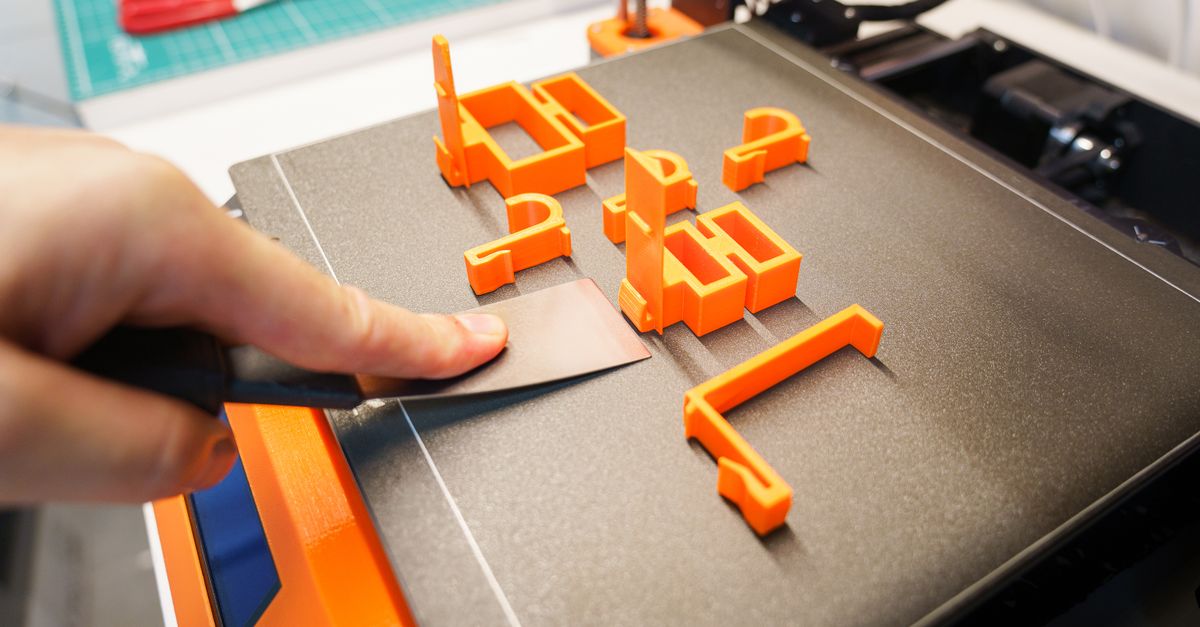
Waterproofing 3D Prints: Methods & Materials
Learn proven techniques to make FDM 3D printed parts waterproof for outdoor and liquid-contact applications.
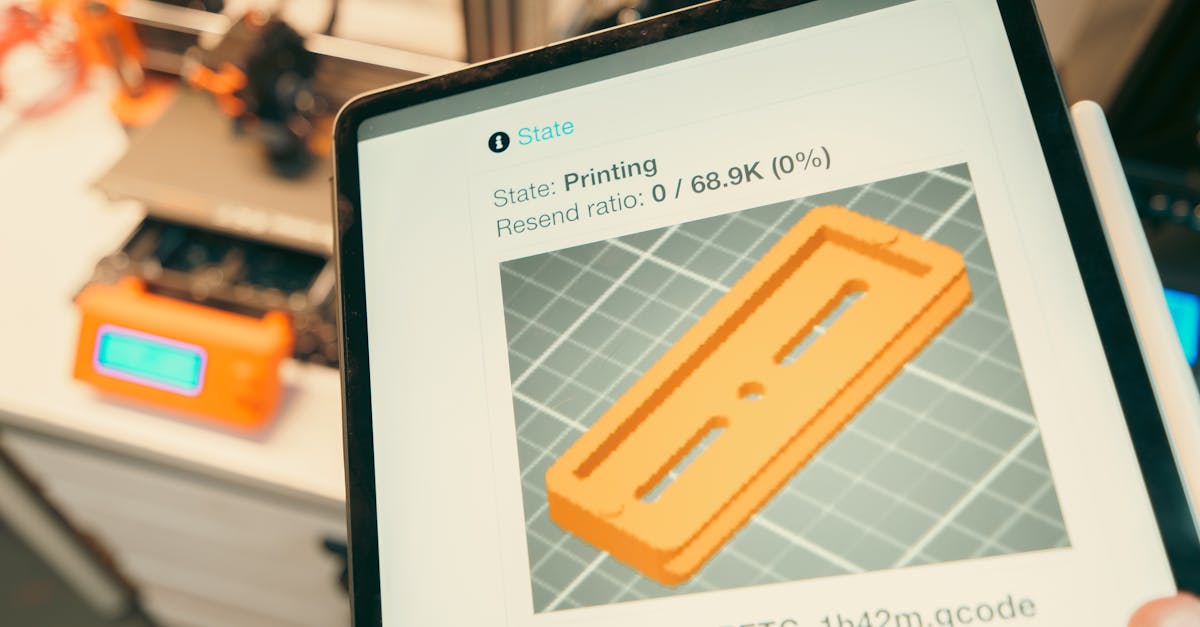
Temperature Control Secrets for FDM Success
Master temperature settings for FDM printing. Learn optimal temps for PLA, PETG, and ABS to get quality parts.
Engineering Grade Plastics Cost Less Than You Think
Engineering plastics like PETG deliver professional results without premium pricing. Learn smart material selection.