

PETG 3D Printing Guide: Engineering Filament

At CLT 3D Printing in Charlotte, NC, we print with a wide range of materials, but PETG is the one we recommend most often for functional parts. It strikes a rare balance between strength, chemical resistance, and ease of printing that makes it the right call for the majority of real-world applications. If you need a part that actually has to work, PETG is almost always the place to start.
Whether you’re a product development team iterating on enclosures, a manufacturer building custom fixtures, or a startup validating a hardware concept, PETG delivers the mechanical performance and reliability that Charlotte-area businesses depend on.
What Is PETG?
PETG stands for Polyethylene Terephthalate Glycol-modified. It’s a thermoplastic in the same polymer family as the PET used in water bottles, but the glycol modification makes it easier to 3D print and significantly more impact-resistant. The result is a material that prints almost as easily as PLA but performs much closer to ABS in demanding environments.
PETG has become the default engineering filament in the FDM 3D printing world for good reason: it gives you the most usable performance per dollar of any material on the market. It’s what we reach for when a Charlotte client tells us “this part needs to work.”
Key Properties of PETG
Understanding the technical specifications of PETG helps you decide if it’s the right fit for your application. Here’s a breakdown of the properties that matter most for functional parts.
| Property | PETG Specification |
|---|---|
| Print Temperature | 220-250°C |
| Bed Temperature | 70-80°C |
| Tensile Strength | ~50 MPa |
| Heat Deflection | ~80°C |
| Chemical Resistance | Excellent (acids, alkalis, many solvents) |
| UV Resistance | Good (better than ABS, slightly less than ASA) |
| Impact Resistance | High (does not shatter) |
| Layer Adhesion | Excellent |
| Moisture Absorption | Low |
| Food Safety | FDA-compliant options available |
| Density | ~1.27 g/cm³ |
These numbers tell an important story: PETG handles heat well beyond what PLA can survive, resists most common chemicals, and absorbs impact without cracking or shattering. For teams across the Charlotte, NC metro area and the Lake Norman, NC region, that combination of properties covers the vast majority of functional part requirements.
Best Applications for PETG
PETG excels in applications where parts need to survive real-world conditions without the added complexity and cost of specialty materials. Here are the use cases where we see it perform best for our North Carolina clients.
Functional prototypes. When a prototype needs to do more than just look right, when it needs to snap together, bear a load, or survive handling, PETG is the go-to choice. It gives you realistic mechanical feedback during testing and validation.
Mechanical parts and brackets. Mounting brackets, motor mounts, cable management clips, and structural components all benefit from PETG’s combination of stiffness and impact resistance. Parts flex under stress rather than snapping.
Food-safe containers and dispensers. With FDA-compliant PETG filament and proper printing practices, we produce food-contact parts including funnels, dispensing housings, and sorting trays for Charlotte-area food processing and packaging companies.
Outdoor parts and enclosures. PETG’s UV resistance and moisture resistance make it a solid choice for parts that live outside. Sensor housings, cable junction boxes, and equipment covers hold up well in North Carolina’s humid climate and direct sun exposure.
Medical device housings. PETG’s chemical resistance means it can be wiped down with common disinfectants without degrading. We’ve printed instrument housings, equipment covers, and organizational trays for healthcare teams throughout the Charlotte region.
Electronics enclosures. From Raspberry Pi cases to full control panel housings, PETG provides the durability, dimensional stability, and heat tolerance that electronics enclosures demand.
PETG Strengths
What makes PETG stand out from other filament options comes down to a few key advantages.
Tough, not brittle. Unlike PLA, which can crack or shatter under impact, PETG absorbs energy and deforms rather than breaking. This makes it far more reliable for parts that experience drops, vibration, or repeated mechanical stress.
Chemical resistant. PETG holds up against a wide range of acids, bases, and common solvents. Parts that get exposed to cleaning chemicals, fuels, or industrial fluids won’t degrade the way PLA or even ABS would.
Good heat resistance. With a heat deflection temperature around 80°C, PETG survives conditions that destroy PLA. Parts left in a car during a Charlotte summer, installed near heat-generating electronics, or used in warm manufacturing environments perform reliably.
Food-safe options. When printed with food-grade PETG filament on clean equipment, parts can meet FDA requirements for food contact. This opens up applications in food production, restaurant equipment, and consumer products.
Excellent layer adhesion. PETG bonds between layers better than almost any other common filament. This means parts are strong in all orientations, which is critical for functional components that experience multi-directional loads.
Moisture resistant. Unlike nylon, which absorbs moisture and changes dimensions over time, PETG is largely unaffected by humidity. Parts maintain their dimensional accuracy and mechanical properties even in North Carolina’s notoriously humid conditions.

PETG Limitations
No material is perfect for every application. Here’s where PETG has trade-offs you should know about.
Slightly stringy prints. PETG tends to produce fine strings between features during printing. Our team tunes retraction settings carefully to minimize this, but some post-processing cleanup may be needed for cosmetic parts.
Not as stiff as ABS. While PETG is tougher than ABS in terms of impact resistance, it has a slightly lower stiffness. For parts that need maximum rigidity under load, like tight-tolerance jigs and fixtures, ABS or nylon may be a better choice.
Surface finish requires attention. Getting a perfectly smooth, glossy surface on PETG takes more effort than with PLA. The material doesn’t sand as cleanly, and it can’t be vapor-smoothed like ABS. For purely visual prototypes, PLA often produces a better result out of the box.
Slightly more expensive than PLA. PETG filament costs roughly 15-25% more than PLA. For most functional applications, the performance improvement more than justifies the cost difference, but for large batches of non-functional parts, PLA may be the more economical choice.
PETG vs PLA vs ABS
Choosing between these three materials is the most common decision our Charlotte clients face. Here’s how they stack up.
| Property | PLA | PETG | ABS |
|---|---|---|---|
| Strength | Low-Medium | Medium-High | Medium-High |
| Heat Resistance | ~60°C | ~80°C | ~100°C |
| Impact Resistance | Low (brittle) | High (tough) | Medium |
| Chemical Resistance | Low | High | Medium |
| Surface Finish | Excellent | Good | Good |
| UV Resistance | Poor | Good | Poor |
| Ease of Printing | Easiest | Easy | Moderate |
| Cost | $ | $$ | $$ |
Choose PLA when appearance matters most and the part won’t face mechanical stress, heat, or chemical exposure. Visual prototypes, presentation models, and display pieces are PLA territory.
Choose PETG when the part needs to function in real-world conditions. If it has to handle impact, resist chemicals, survive outdoors, or contact food, PETG is almost always the right call.
Choose ABS when you need higher heat resistance (above 80°C), maximum stiffness, or the ability to vapor-smooth for a polished finish. Automotive, high-temperature industrial, and snap-fit applications often favor ABS.
For a complete breakdown of all the materials we work with, including nylon, TPU, and resin, see our full materials comparison guide.
Explore Our Other Material Guides
Want to compare PETG to other options? Check out our detailed guides:
- PLA Guide - Best surface finish and lowest cost for visual prototypes
- ABS Guide - Higher heat resistance with vapor-smoothable finish for industrial use
- ASA Guide - UV-stable for permanent outdoor installations
- TPU Guide - Flexible parts for gaskets, vibration dampening, and grips
- Resin Guide - Ultra-fine detail for miniatures and precision prototypes
- Full Materials Comparison - Every material side by side
When to Choose PETG for Your Project
If you’re still deciding, here’s a simple rule of thumb: if the part needs to do something (hold weight, resist chemicals, survive outdoors, contact food, or handle repeated use), start with PETG. It covers more use cases reliably than any other single material, and it does so without the print complexity of ABS or the brittleness of PLA.
For Charlotte, NC businesses and teams throughout the North Carolina Piedmont, PETG is the material that bridges the gap between affordable prototyping and functional end-use parts. It’s the filament that lets you go from concept to working product without changing materials along the way.
Ready to get started? Submit your part files for a free quote and we’ll recommend the best material and print settings for your specific application. If you want to explore how PETG compares to every material in our lineup, check out our complete materials guide.
Related Articles
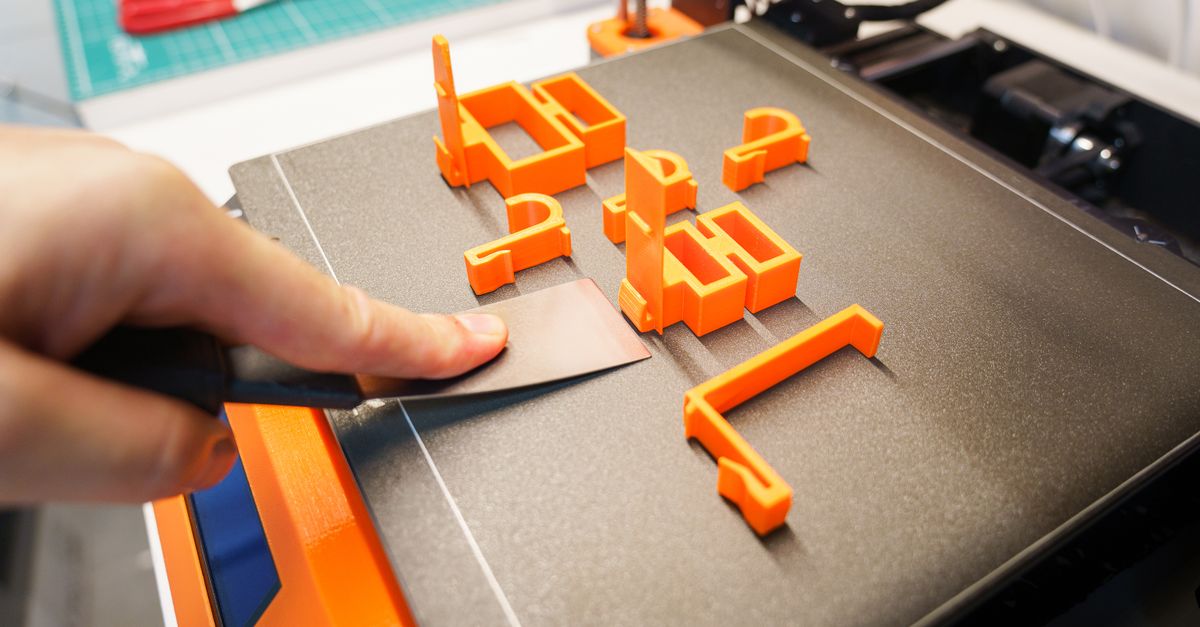
Waterproofing 3D Prints: Methods & Materials
Learn proven techniques to make FDM 3D printed parts waterproof for outdoor and liquid-contact applications.
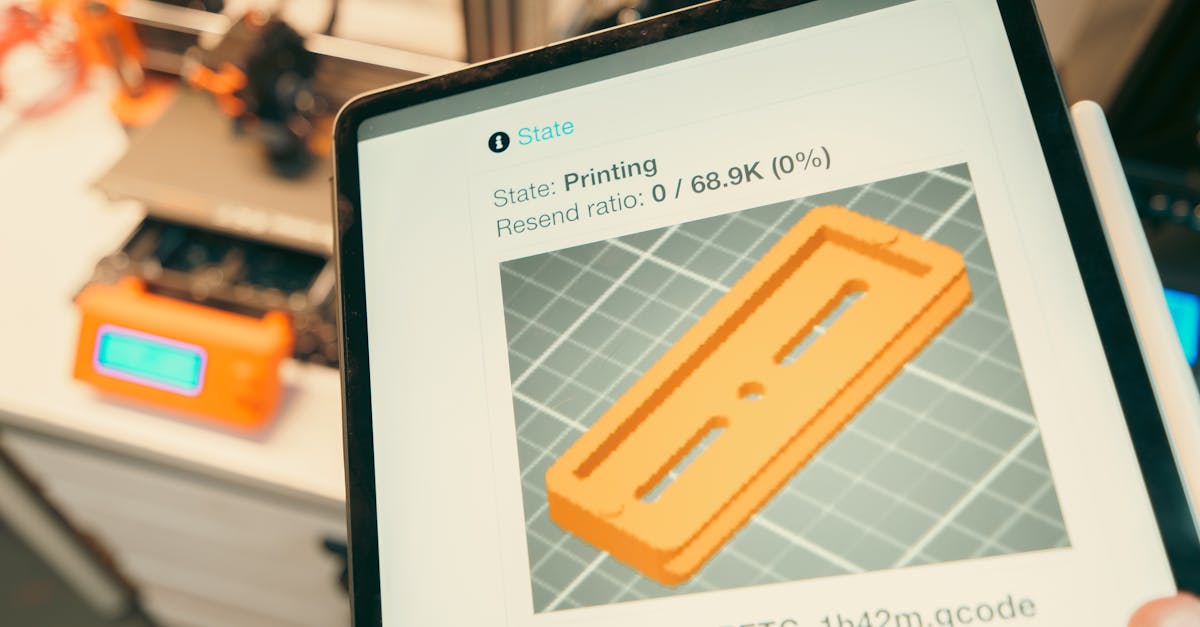
Temperature Control Secrets for FDM Success
Master temperature settings for FDM printing. Learn optimal temps for PLA, PETG, and ABS to get quality parts.
Engineering Grade Plastics Cost Less Than You Think
Engineering plastics like PETG deliver professional results without premium pricing. Learn smart material selection.