
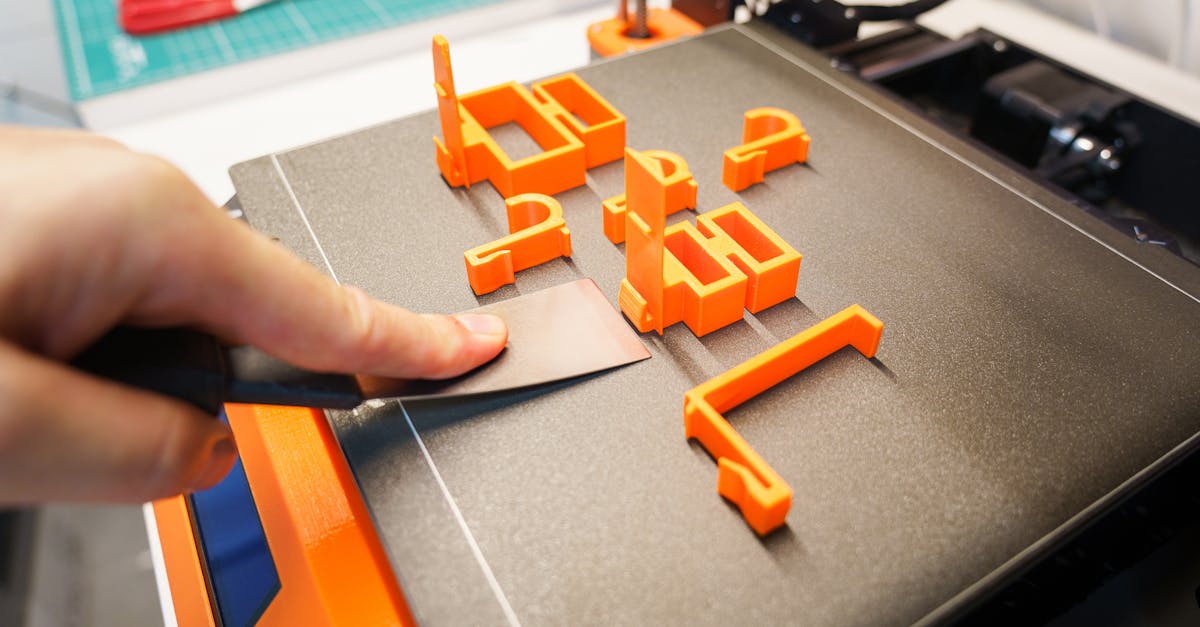
Photo by Jakub Zerdzicki on Pexels
Multi-Material 3D Printing Opens New Doors

Multi-Material 3D Printing Opens New Doors
Multi-material 3D printing represents one of the most exciting advances in additive manufacturing technology. By combining different materials within a single print job, manufacturers can create parts with varied mechanical properties, colors, and functionalities that would be impossible or extremely costly to produce through traditional methods.
What Is Multi-Material 3D Printing?
Multi-material printing uses specialized equipment to deposit different materials in precise locations during the build process. Unlike standard FDM printers that work with one material at a time, multi-material systems can switch between filaments mid-print or even blend materials at the nozzle. This capability transforms how engineers approach part design.
The technology ranges from simple dual-extruder setups that alternate between two materials to sophisticated systems that can handle four or more materials simultaneously. Each approach offers unique advantages depending on the application requirements and production volumes.
Key Technologies Enabling Multi-Material Printing
Dual and Multi-Extruder Systems
The most accessible multi-material technology uses multiple extruders, each loaded with different filament. These systems can create parts with distinct material zones - imagine a gear with a rigid PLA body and flexible TPU teeth for vibration dampening. The printer switches between extruders as needed, building complex assemblies in one piece.
Modern multi-extruder systems have solved many early challenges like oozing and color contamination through improved retraction algorithms and purge towers. Print quality now rivals single-material outputs when properly calibrated.
Material Mixing at the Nozzle
Advanced systems mix materials directly in the hot end, creating gradient transitions between properties. This technology enables parts with smoothly varying stiffness, like a prosthetic socket that transitions from rigid support structures to soft, skin-contact zones. While more complex than discrete material switching, gradient printing opens entirely new design possibilities.
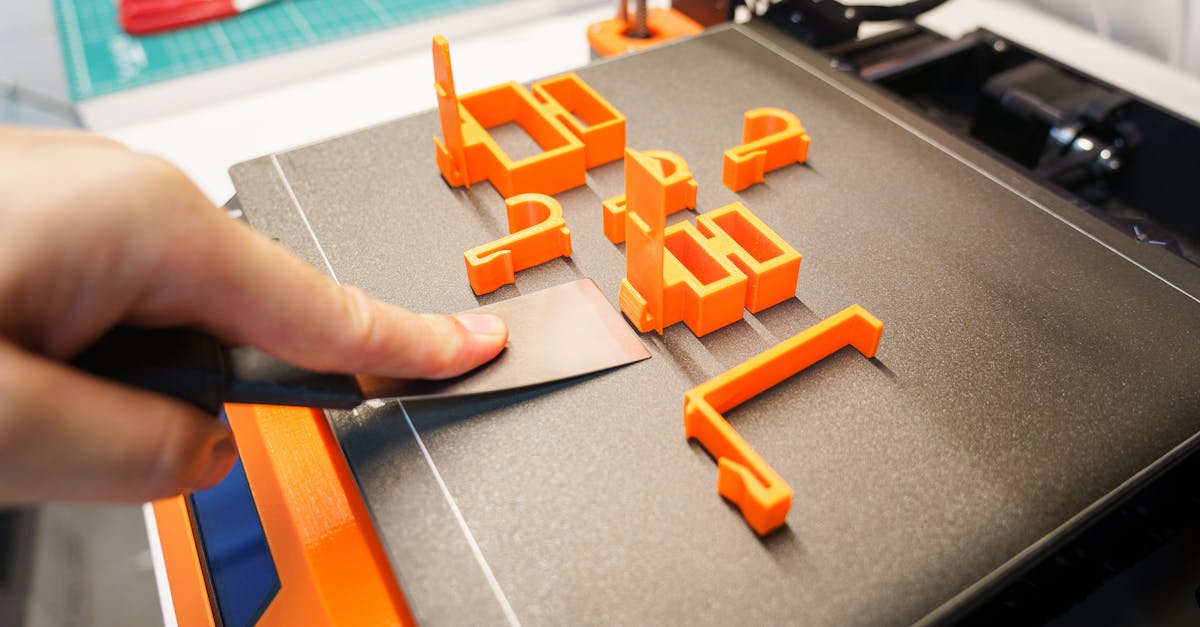
Photo by Jakub Zerdzicki on Pexels
Dissolvable Support Materials
Water-soluble support materials like PVA paired with standard build materials revolutionize complex geometry printing. Parts with internal channels, deep undercuts, or delicate features become practical when supports dissolve away cleanly. This combination particularly benefits rapid prototyping of intricate designs that would otherwise require extensive post-processing.
Real-World Applications Driving Adoption
Electronics Integration
Conductive filaments combined with insulating plastics enable 3D printed electronics. Circuit traces, sensors, and even simple antennas can be embedded directly into parts during printing. While not replacing traditional PCBs for complex circuits, this approach excels for prototyping smart products and creating custom sensor housings with integrated wiring.
Mechanical Assemblies
Multi-material printing produces complete mechanical assemblies without assembly. Consider a hinge printed with rigid frames and flexible joint material - no pins or separate parts required. This consolidation reduces part count, eliminates assembly labor, and often improves reliability by removing potential failure points between components.
Biomedical and Wearables
The ability to combine soft and rigid materials makes multi-material printing ideal for body-interfacing products. Custom orthotics with rigid support structures and soft contact points, protective equipment with integrated cushioning, and ergonomic tool handles all benefit from variable material properties within a single part.
Design Considerations for Multi-Material Parts
Material Compatibility
Not all materials bond well together - understanding compatibility prevents delamination failures. PLA bonds excellently with PVA supports but poorly with TPU. PETG shows good adhesion to both rigid and flexible materials when print temperatures are optimized. Material manufacturers typically provide compatibility charts, but testing remains essential for critical applications.
Temperature management becomes crucial when materials have different optimal printing temperatures. The transition zones require careful thermal control to ensure proper bonding without degrading either material.
Interface Design
The boundary between materials represents both opportunity and challenge in multi-material design. Sharp transitions work well for distinct functional zones, while gradual transitions better handle mechanical stress. Adding interlocking geometries at material interfaces - like dovetails or wave patterns - significantly improves bond strength for demanding applications.
File Preparation Complexity
Multi-material parts require more sophisticated file preparation than single-material prints. Each material zone needs proper assignment in the CAD model, and slicing software must generate appropriate tool paths for material changes. Modern CAD packages increasingly support multi-material design natively, streamlining this workflow.
Economic Considerations
When Multi-Material Makes Sense
Multi-material printing shines for low-to-medium volume production where part consolidation offers significant value. The technology particularly suits small-batch production runs of 10-500 units where injection molding multiple materials would require prohibitive tooling costs.
Consider a drone component combining rigid mounting points with vibration-dampening zones. Traditional manufacturing would require multiple parts, assembly labor, and inventory management. Multi-material printing delivers the same functionality in one piece, often at lower total cost for appropriate volumes.
Cost Factors to Consider
Material costs for multi-material printing typically exceed single-material options. Specialty filaments like conductive plastics or high-performance elastomers command premium prices. However, eliminating assembly labor, reducing part count, and enabling designs impossible through other methods often justify the material expense.
Print time also increases with material changes, as printers must purge previous materials and stabilize temperatures. Factor these considerations into cost calculations when evaluating multi-material approaches.
Technical Challenges and Solutions
Color Contamination
Preventing color bleeding between materials requires careful purge tower design. Modern slicing software calculates optimal purge volumes automatically, but fine-tuning based on specific material combinations improves results. Some systems use dedicated purge buckets or wiper mechanisms for cleaner transitions.
Warping and Dimensional Accuracy
Different materials shrink at different rates during cooling, potentially causing warping or dimensional issues. Careful selection of compatible materials with similar thermal properties minimizes these effects. Heated chambers help by reducing temperature gradients during printing.
Support Material Removal
While dissolvable supports enable complex geometries, removal time must factor into production planning. PVA supports typically dissolve in hours to days depending on part geometry and water circulation. Ultrasonic baths accelerate the process but require capital investment.
Future Developments
Emerging technologies promise even greater multi-material capabilities. Researchers are developing systems that can print metals and plastics in the same build, opening possibilities for embedded electronics and thermal management. Gradient alloys - metals with continuously varying composition - could revolutionize aerospace and medical implant manufacturing.
Software advances will likely have the greatest near-term impact. AI-powered design tools that automatically optimize material placement based on stress analysis and functional requirements will make multi-material design accessible to more engineers.
Getting Started with Multi-Material Projects
Beginning with simple two-material designs builds expertise before tackling complex projects. Start with dissolvable supports for existing single-material designs to understand the workflow. Progress to parts with distinct rigid and flexible zones before attempting gradient transitions or embedded electronics.
Material selection significantly impacts success rates. Well-characterized material pairs with proven compatibility reduce troubleshooting time. As experience grows, experimenting with novel combinations can unlock unique capabilities for specific applications.
Partner with CLT 3D Printing
While we primarily focus on single-material FDM printing in PLA and PETG for most production runs, we understand the growing importance of multi-material capabilities. Our custom design services team can help you evaluate whether multi-material approaches suit your project needs and guide you toward the most cost-effective manufacturing solution.
Ready to explore how advanced 3D printing technologies can enhance your products? Whether you need traditional single-material parts or want to discuss multi-material possibilities, we’re here to help bring your ideas to life.
Start Your Custom Project Today
Related Posts
Related Articles
Waterproofing 3D Prints: Methods & Materials
Learn proven techniques to make FDM 3D printed parts waterproof for outdoor and liquid-contact applications.
3D Printing Support Structures Explained
Master support structures in 3D printing to reduce costs and improve part quality for your business projects.
3D Printing Tolerances: What to Expect
Understanding dimensional tolerances in FDM 3D printing helps set realistic expectations for your parts.