Photo by Jakub Zerdzicki on Pexels
Part Consolidation Through 3D Printing

Part Consolidation Through 3D Printing: Simplifying Complex Assemblies
Traditional manufacturing often requires multiple components to create a functional assembly. Each part needs its own tooling, production run, quality check, and inventory management. But what if you could combine five parts into one? Ten parts? More?
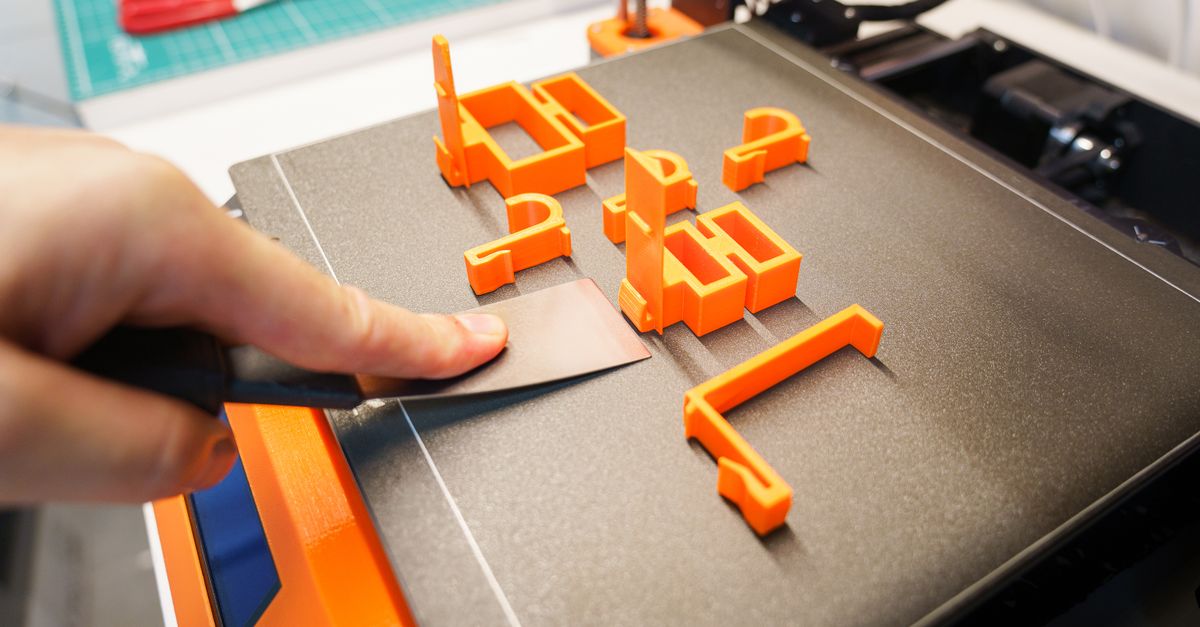
Part consolidation represents one of 3D printing’s most underutilized advantages. By redesigning assemblies to print as single units, businesses eliminate assembly labor, reduce points of failure, and streamline their supply chains. At CLT 3D Printing, we help Charlotte-area manufacturers and product developers explore these opportunities using our custom design services.
What Is Part Consolidation?
Part consolidation means combining multiple traditionally separate components into a single 3D-printed part. Instead of manufacturing a bracket, four screws, two washers, and a spacer separately, you print one integrated unit that performs all those functions.
The concept challenges traditional design thinking. Engineers trained on injection molding or CNC machining learn to design for those constraints - draft angles, tool access, uniform wall thickness. 3D printing removes many of these limitations, enabling geometries that would be impossible or prohibitively expensive with other methods.
Common consolidation opportunities include:
- Brackets with integrated fastening features
- Housings with built-in cable management
- Assemblies with snap-fit connections instead of screws
- Multi-material structures printed in one build
- Complex internal channels and passages
Benefits of Consolidating Parts
Reduced Assembly Time
Every eliminated part means eliminated assembly steps. A product that previously required 30 minutes of assembly might drop to 5 minutes when key components are consolidated. For small-batch production runs of 50-500 units, this labor savings adds up quickly.
Consider a drone manufacturer producing custom mounts. The traditional approach might involve:
- CNC machining the main bracket
- Drilling and tapping mounting holes
- Installing threaded inserts
- Adding vibration dampening pads
- Attaching wire clips with screws
With 3D printing, all these features integrate into one part. The mounting holes print with the exact thread pitch needed. Flexible TPU sections provide vibration dampening. Wire routing channels eliminate separate clips.
Photo by Jakub Zerdzicki on Pexels
Lower Part Count and Inventory
Fewer parts mean simpler inventory management. Instead of tracking dozens of SKUs, washers, screws, and small components, you manage one part number. This particularly benefits businesses without dedicated warehouse space or those managing multiple product variations.
The reduction extends beyond physical inventory. Fewer parts mean:
- Fewer supplier relationships to manage
- Simplified BOMs (Bills of Materials)
- Reduced risk of stockouts on critical components
- Lower minimum order quantities
- Less warehouse space required
Improved Reliability
Mechanical connections represent common failure points. Every screw can loosen. Every press-fit can wear. Every adhesive bond can fail. By printing assemblies as single units, you eliminate these potential failure modes.
This reliability improvement proves especially valuable for:
- Vibration-prone environments (automotive parts)
- Outdoor applications requiring weather resistance
- Medical devices where failure isn’t an option
- Manufacturing fixtures subjected to repeated use
Design Freedom for Complex Geometries
3D printing enables internal features impossible with traditional manufacturing. Consider a fluid manifold - CNC machining requires straight drilling paths that intersect at specific angles. 3D printing allows smooth, curved internal channels optimized for flow characteristics.
Complex geometries become simple prints. Undercuts, internal voids, lattice structures, and organic shapes that would require expensive 5-axis machining or multiple operations print without additional complexity. The printer doesn’t care if your part has 10 features or 100 - the build time depends primarily on volume and height.
When Part Consolidation Makes Sense
Low to Medium Volume Production
Part consolidation shines brightest at specific production volumes. For prototypes and production runs up to several thousand units, the elimination of tooling costs and assembly labor often outweighs the higher per-part material cost of 3D printing.
The sweet spot typically falls between:
- 1-10 units: Almost always cost-effective to consolidate
- 10-500 units: Usually beneficial, especially for complex assemblies
- 500-5,000 units: Depends on part complexity and labor costs
- 5,000+ units: Traditional manufacturing often becomes more economical
Complex Assemblies with Multiple Components
The more parts in your original assembly, the greater the potential benefit. A simple two-part assembly might not justify redesign efforts. But assemblies with 5, 10, or more components often see dramatic improvements through consolidation.
Ideal candidates include:
- Electronic enclosures with multiple compartments
- Brackets requiring various mounting options
- Fluid handling systems with multiple connections
- Adjustment mechanisms with several moving parts
Customization Requirements
When each customer needs slightly different features, traditional manufacturing struggles. Custom tooling for each variant proves prohibitively expensive. But 3D printing treats each variation as just another file to process.
A corporate award design might need different text for each recipient. A manufacturing fixture might require unique dimensions for each workstation. These customization needs align perfectly with 3D printing’s file-based production model.
Design Considerations for Consolidation
Material Selection Impact
Not all materials suit all consolidation strategies. Our primary materials each bring different capabilities:
PLA works well for:
- Rigid structural consolidation
- Indoor applications
- Prototype validation
- Display models
PETG excels at:
- Chemical-resistant assemblies
- Outdoor components
- Parts requiring some flexibility
- Transparent or translucent features
ABS handles:
- Higher temperature applications
- Parts requiring post-processing
- Assemblies needing acetone welding
When designing consolidated parts, consider whether one material can meet all requirements. Sometimes keeping certain components separate makes sense if they need vastly different material properties.
Wall Thickness and Support Requirements
Consolidation often creates overhangs and bridges that require support material. While our printers handle these features well, excessive supports increase print time and material usage. Design with 45-degree angles where possible to minimize supports.
Uniform wall thickness prevents warping. While 3D printing handles varying thickness better than injection molding, dramatic transitions can still cause issues. Aim for walls between 1.2mm and 3mm for most applications, adjusting based on structural requirements.
Assembly and Disassembly Needs
Sometimes parts need separation for maintenance or replacement. Design consolidated assemblies with service requirements in mind:
- Include break-away tabs for one-time assembly
- Design living hinges for repeated access
- Add snap-fit features for removable panels
- Consider multi-part assemblies that lock together
Real-World Applications
Manufacturing and Production
Production environments benefit significantly from part consolidation. Manufacturing tooling and fixtures often require complex positioning and clamping mechanisms. Traditional fixtures might use:
- Aluminum base plate
- Multiple positioning blocks
- Various clamps and stops
- Numerous fasteners
A consolidated 3D-printed fixture integrates all these elements. Positioning features print in exact locations. Clamping mechanisms include living hinges or snap-fits. The entire fixture becomes one part that operators can’t misassemble.
Automotive and Transportation
The automotive restoration market particularly benefits from consolidation. Classic cars often have assemblies with multiple small parts - brackets, spacers, clips - that become unavailable over time. Instead of recreating each component, we can design consolidated replacements that install easier and last longer.
Modern vehicles also leverage consolidation. Air intake systems, bracket assemblies, and interior components print as single units. This proves especially valuable for low-volume specialty vehicles or racing applications where weight reduction matters.
Electronics and Enclosures
Electronic housings showcase consolidation’s full potential. Traditional enclosures require:
- Main housing
- Separate lid or door
- Mounting bosses
- Cable strain reliefs
- Ventilation grilles
- Board standoffs
3D printing integrates these features. Snap-fit lids eliminate screws. Cable management prints directly into walls. Ventilation patterns become decorative elements. Board mounting features position exactly where needed.
Getting Started with Part Consolidation
Evaluate Your Current Assemblies
Start by listing assemblies with multiple parts. Count fasteners, spacers, and small components. Calculate assembly time. Consider failure modes. This analysis reveals consolidation opportunities.
Ask these questions:
- How many unique parts comprise this assembly?
- What’s the total assembly time?
- Which connections fail most often?
- Could functions combine without compromising performance?
Redesign for 3D Printing
Traditional parts often include features solely for manufacturing convenience. Redesigning for 3D printing means:
- Eliminating unnecessary division between parts
- Adding material only where structurally required
- Using lattices or hollow sections to reduce weight
- Integrating features like threads and clips
Our custom design services team helps translate traditional assemblies into consolidated 3D-printable designs. We understand both the capabilities and limitations of FDM printing.
Prototype and Validate
Always validate consolidated designs through prototyping. What works in CAD might reveal issues in physical testing. Common validation points:
- Structural integrity under load
- Fit with mating components
- Thermal performance
- Assembly/disassembly functionality
Rapid prototyping lets you iterate quickly. Test different consolidation strategies. Try various wall thicknesses. Experiment with different materials. This iterative process leads to optimal designs.
Ready to Simplify Your Assemblies?
Part consolidation through 3D printing offers real benefits - reduced assembly time, lower part counts, and improved reliability. Whether you’re developing new products or improving existing designs, consolidation strategies can transform your manufacturing approach.
CLT 3D Printing specializes in helping Charlotte-area businesses explore these opportunities. From initial design consultation through production runs, we guide you through the consolidation process. Our experience with PLA, PETG, and ABS materials ensures your parts meet performance requirements while maximizing the benefits of single-piece construction.
Start your consolidation project today. Upload your existing assembly files or reach out to discuss your requirements. We’ll show you how 3D printing can simplify your products while reducing costs.
Get Started with Your Custom Project →
Related Resources
Related Articles
Waterproofing 3D Prints: Methods & Materials
Learn proven techniques to make FDM 3D printed parts waterproof for outdoor and liquid-contact applications.
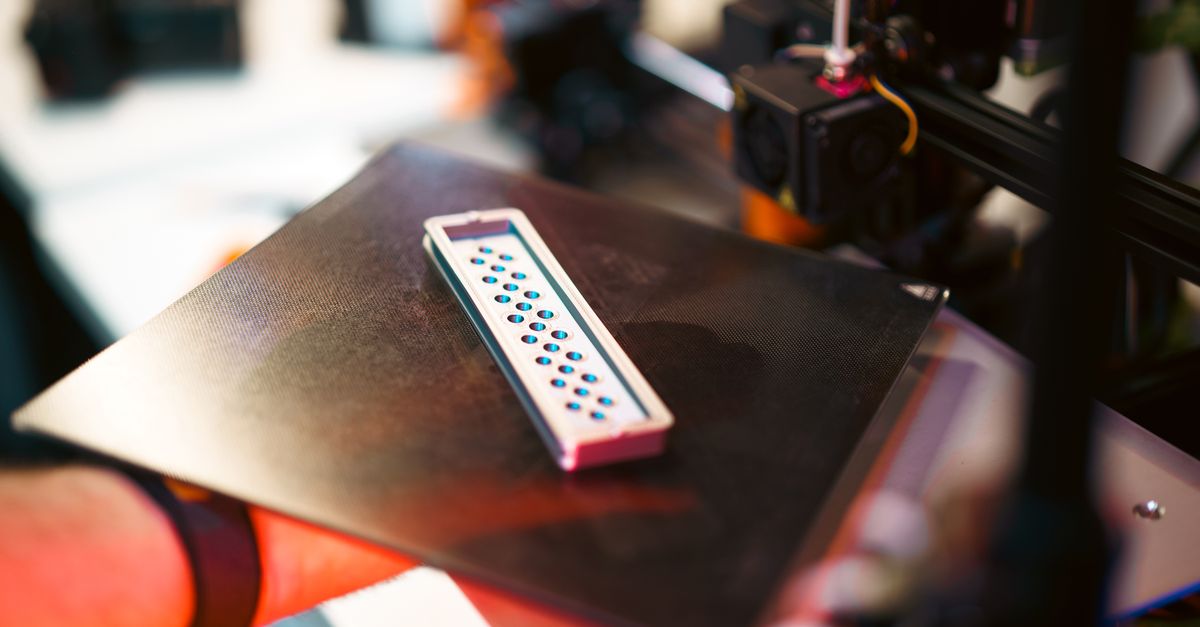
3D Printing Validation Testing Guide
Master validation testing for 3D printed parts with dimensional checks, strength tests, and material verification methods.
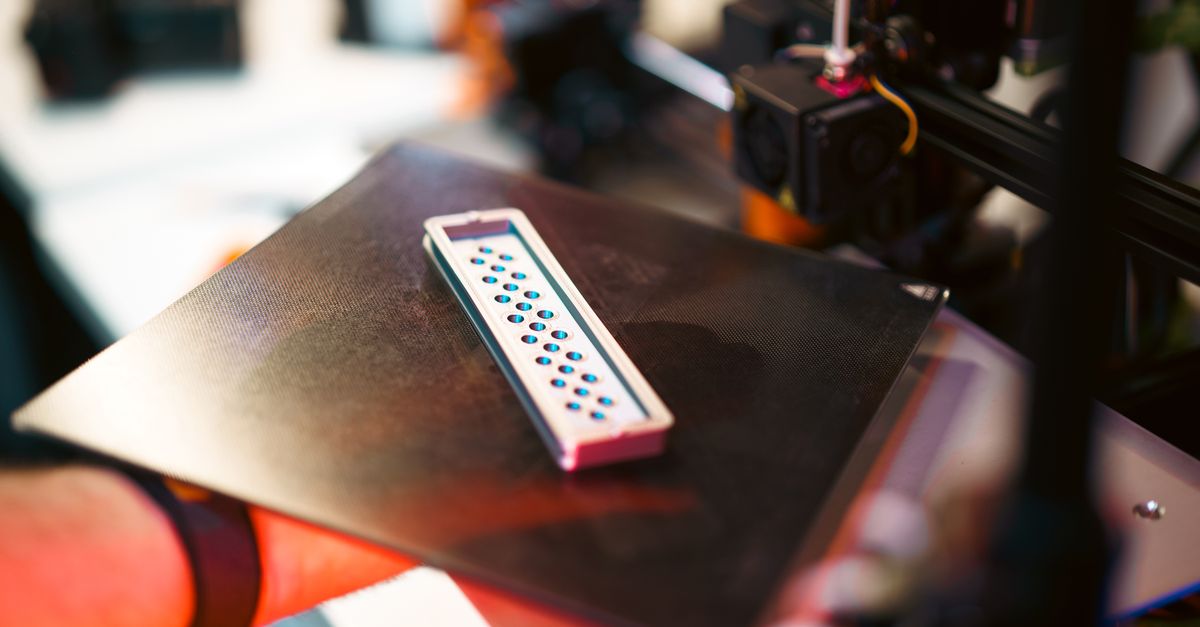
Cost-Per-Part Calculator for 3D Printing
Master the hidden variables that determine your true 3D printing costs and make smarter sourcing decisions.