
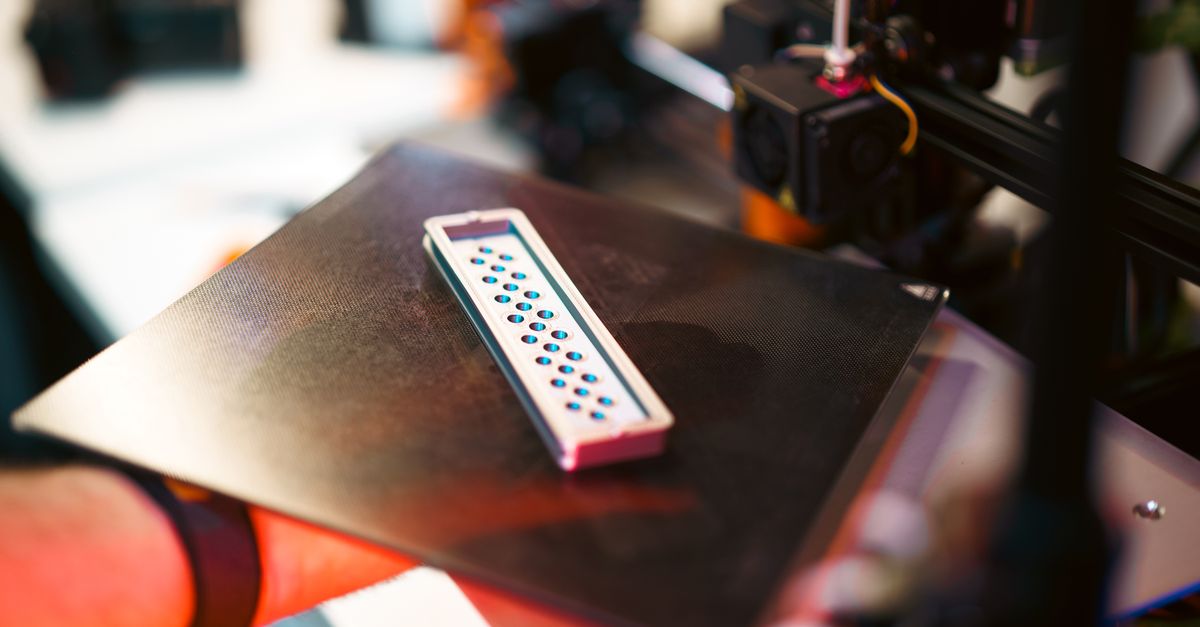
Photo by Jakub Zerdzicki on Pexels
Preventive Maintenance for 3D-Printed Parts

Preventive Maintenance for 3D-Printed Parts
Most businesses focus on the initial production of 3D-printed parts - but what happens six months later? Understanding the lifecycle of FDM-printed components and planning for preventive replacement can mean the difference between smooth operations and unexpected downtime.
Why Maintenance Schedules Matter for 3D-Printed Components
3D-printed parts aren’t forever. While materials like PETG and ABS offer excellent durability for many applications, they still experience wear, UV degradation, stress fatigue, and environmental breakdown over time. Smart businesses build replacement schedules into their operations from day one.
Traditional manufacturing often relies on reactive maintenance - run it until it breaks. But with 3D printing’s rapid production capabilities, you can implement true preventive maintenance programs. The key is knowing what to watch for and when to act.
Consider a manufacturing facility using 3D-printed fixtures for assembly operations. These fixtures might see thousands of cycles, constant handling, and exposure to oils or solvents. Planning for replacement every 3-6 months costs far less than the production delays from unexpected failure.
Signs Your 3D-Printed Parts Need Replacement
Visual inspection catches 80% of issues before failure. Look for these warning signs during regular equipment checks:
Discoloration often indicates UV damage or chemical exposure. PLA parts may yellow or become brittle when exposed to sunlight, even through windows. PETG resists UV better but still shows color changes that signal degradation.
Surface wear patterns reveal stress points. Watch for smoothing at contact surfaces, white stress marks at flex points, or layer separation at high-load areas. These visual cues predict failure weeks before it happens.
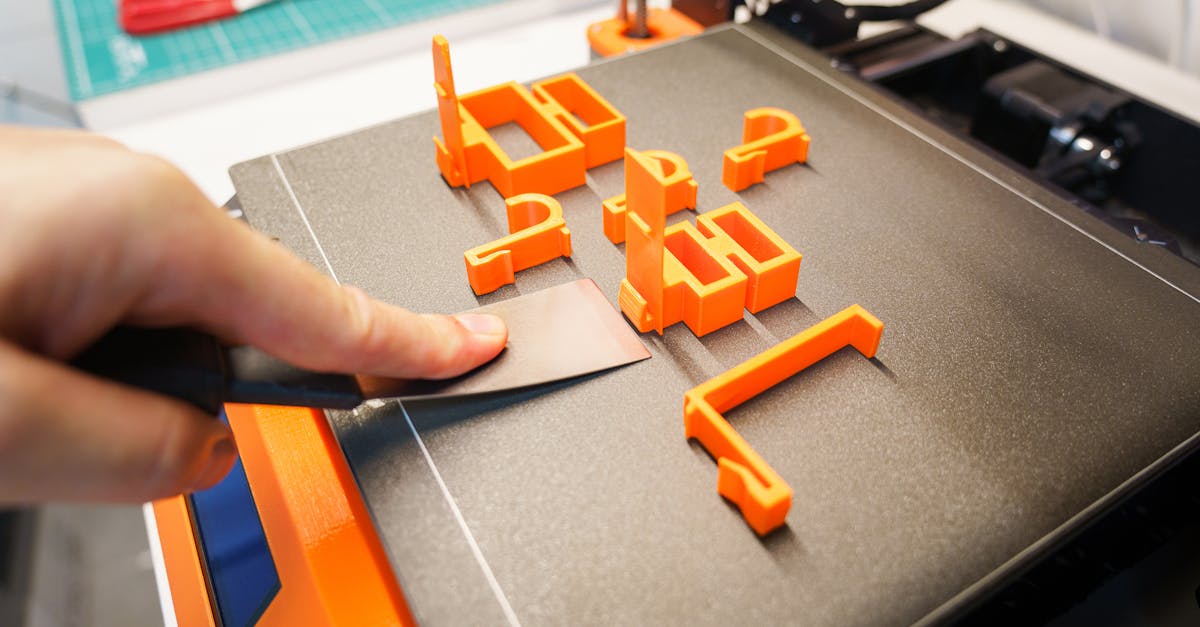
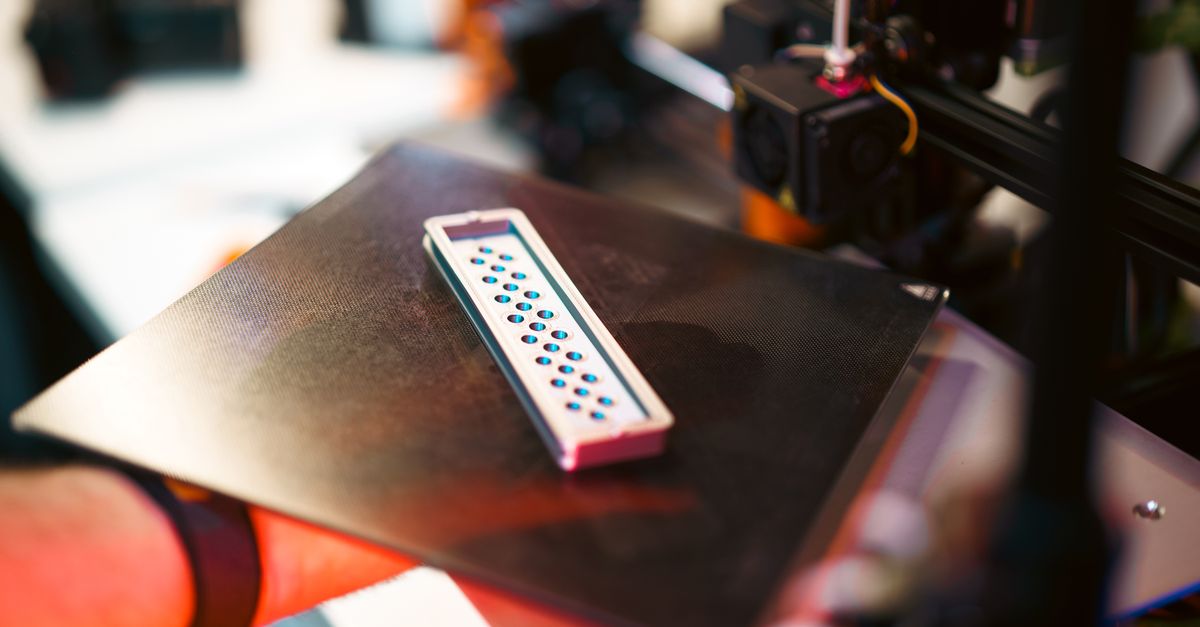
Photo by Jakub Zerdzicki on Pexels
Dimensional changes matter for precision applications. Measure critical dimensions monthly - even 0.5mm of wear can affect performance in jigs, fixtures, or alignment tools. Document these measurements to establish replacement intervals.
Material-Specific Replacement Guidelines
PLA Components
PLA excels for indoor, low-stress applications but requires the most frequent replacement cycles. Plan for 3-6 month lifespans in production environments, shorter if exposed to temperatures above 60°C or outdoor conditions.
Temperature cycling accelerates PLA degradation. Parts near equipment that generates heat - motors, electronics enclosures, or processing equipment - may need monthly inspection. We recommend PETG or ABS for these applications when possible.
PETG Components
PETG offers 2-3x the lifespan of PLA in most applications. Its chemical resistance and temperature tolerance up to 80°C make it ideal for manufacturing environments. Plan 6-12 month replacement cycles for moderate-use components.
Watch for stress whitening in clear PETG parts - it indicates the beginning of failure. Opaque PETG hides this warning sign, so rely more on dimensional checks and surface wear patterns.
ABS Components
ABS provides excellent longevity for indoor applications, often lasting 12-18 months in production use. Its resistance to oils and many solvents makes it perfect for automotive and manufacturing environments.
Layer adhesion becomes the weak point in aging ABS. Check layer lines quarterly - separation often starts at corners or stress concentration points. A simple twist test can reveal weakening before visual signs appear.
Building Your Replacement Schedule
Start with manufacturer recommendations for similar injection-molded parts, then adjust based on 3D printing’s unique characteristics. FDM parts typically need replacement 30-50% more frequently than injection-molded equivalents due to layer-based construction.
Document everything during the first lifecycle. Track installation dates, usage patterns, environmental conditions, and failure modes. This data becomes your predictive maintenance baseline.
Create tiered inspection schedules:
- Daily visual checks for critical components
- Weekly measurements for precision parts
- Monthly thorough inspections for all printed components
- Quarterly reviews of replacement schedules based on actual wear data
Consider seasonal factors too. Summer heat and humidity affect all thermoplastics differently. Winter’s dry air can make some materials more brittle. Adjust inspection frequency accordingly.
Cost-Effective Replacement Strategies
Batch production drives down per-part costs. Instead of ordering single replacements, produce 3-6 months of spare parts in one run. This approach reduces setup costs and ensures consistent quality across replacement parts.
Design for quick changeover from the start. Add alignment pins, snap-fit features, or quick-release mounting to minimize downtime during replacement. The few grams of extra material pay for themselves in reduced labor costs.
Standardize where possible. Using the same mounting patterns, connection types, and base dimensions across multiple fixtures lets you maintain a smaller spare parts inventory while ensuring availability.
Digital Inventory Advantages
Unlike traditional spare parts, 3D-printed components exist as digital files first. This creates unique opportunities for preventive maintenance programs.
Version control becomes critical. As you identify wear patterns or failure modes, update your CAD files with improvements. Mark each version clearly - v1.2 might add reinforcement ribs, v1.3 might increase wall thickness at stress points.
Store usage data with your files. Note environmental conditions, load requirements, and observed lifespan. Future users (or your future self) will thank you when selecting materials and print settings.
Consider parametric designs for frequently replaced parts. Changing one dimension to accommodate wear or different equipment models beats maintaining dozens of similar files.
Industry-Specific Considerations
Manufacturing environments expose parts to oils, coolants, and cleaning solvents. Test material compatibility early and plan shorter replacement cycles for chemical exposure areas. PETG and ABS generally outperform PLA here.
Outdoor applications demand UV-resistant materials or protective coatings. ASA offers excellent weatherability when we run those materials, but even UV-resistant plastics need annual replacement in full sun exposure.
Food service applications require not just food-safe materials but also regular replacement to maintain hygiene standards. Plan quarterly replacements regardless of wear - it’s easier to explain preventive replacement than contamination risk.
Creating Your Maintenance Documentation
Clear documentation prevents confusion and ensures consistency. Include photos of properly installed parts, wear limit indicators, and step-by-step replacement procedures.
Create simple inspection checklists that any operator can follow. Use go/no-go gauges for critical dimensions rather than requiring precision measurement tools. Visual wear guides with photos beat written descriptions every time.
Track replacement costs against downtime prevention. When management questions preventive replacement budgets, data showing prevented failures and maintained productivity speaks louder than predictions.
Ready to Implement Preventive Maintenance?
Building a preventive maintenance program for 3D-printed parts starts with understanding your specific applications and requirements. Whether you’re maintaining existing printed components or planning new implementations, we can help develop appropriate replacement schedules and spare parts strategies.
Our team understands how different materials perform over time in various environments. We’ll work with you to establish inspection criteria, determine optimal replacement intervals, and maintain digital inventories of your critical components. Visit our custom order page to discuss your preventive maintenance needs and ensure uninterrupted operations.
Related Resources:
Related Articles
Waterproofing 3D Prints: Methods & Materials
Learn proven techniques to make FDM 3D printed parts waterproof for outdoor and liquid-contact applications.
3D Printing Validation Testing Guide
Master validation testing for 3D printed parts with dimensional checks, strength tests, and material verification methods.
Cost-Per-Part Calculator for 3D Printing
Master the hidden variables that determine your true 3D printing costs and make smarter sourcing decisions.