

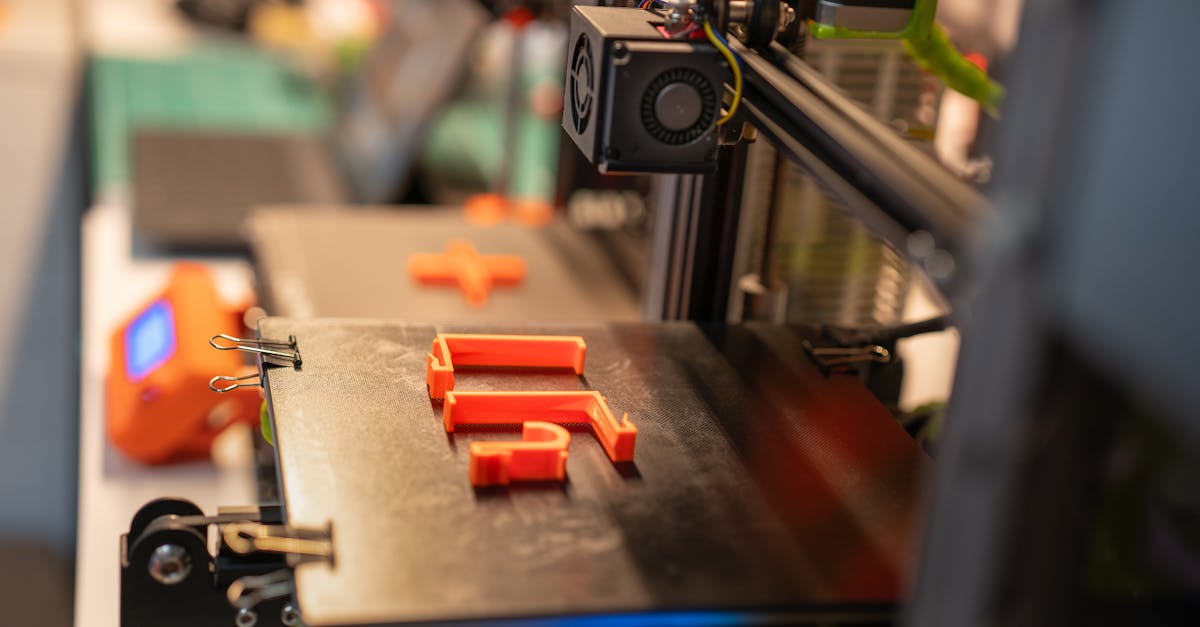
Photo by Jakub Zerdzicki on Pexels
Engineering Grade Plastics Cost Less Than You Think

Engineering Grade Plastics Cost Less Than You Think
The gap between basic and engineering-grade 3D printing materials has narrowed dramatically. What once required specialized equipment and premium pricing now sits within reach of most business applications. Understanding this shift can transform how you approach prototyping and production decisions.
Many businesses assume they need to choose between cheap PLA for prototypes and expensive specialty materials for functional parts. This binary thinking leaves money on the table. Modern engineering plastics like PETG offer professional-grade properties at prices that make sense for everything from initial concepts to end-use parts.
Why Material Costs Have Dropped
Material science advances faster than pricing perception. The 3D printing industry has matured significantly over the past decade. Production volumes have increased, manufacturing processes have improved, and competition has intensified. These factors combine to deliver better materials at lower costs than many decision-makers realize.
PETG exemplifies this trend perfectly. Five years ago, PETG commanded premium prices and required careful handling. Today, it runs on standard FDM equipment with minimal adjustments. The material costs roughly 20-30% more than basic PLA while delivering chemical resistance, impact strength, and temperature tolerance that PLA simply cannot match.
The real cost difference often amounts to pennies per part for small components or a few dollars for larger pieces. When you factor in the extended lifespan and improved performance of engineering plastics, the total cost of ownership frequently favors the better material.
Hidden Costs of Under-Specifying Materials
Choosing the cheapest material often creates the most expensive problems. Consider a manufacturing fixture printed in PLA because it saved $5 on material costs. If that fixture warps after two weeks near equipment that generates moderate heat, you face downtime, reprint costs, and potential production delays. The initial savings evaporate quickly.
We see this pattern repeatedly across industries. A drone company might prototype in PLA to save costs, then discover their parts deform during summer field tests. An automotive shop prints tool holders in basic plastic, only to replace them monthly due to chemical exposure. These scenarios illustrate why material selection requires thinking beyond the per-kilogram price.
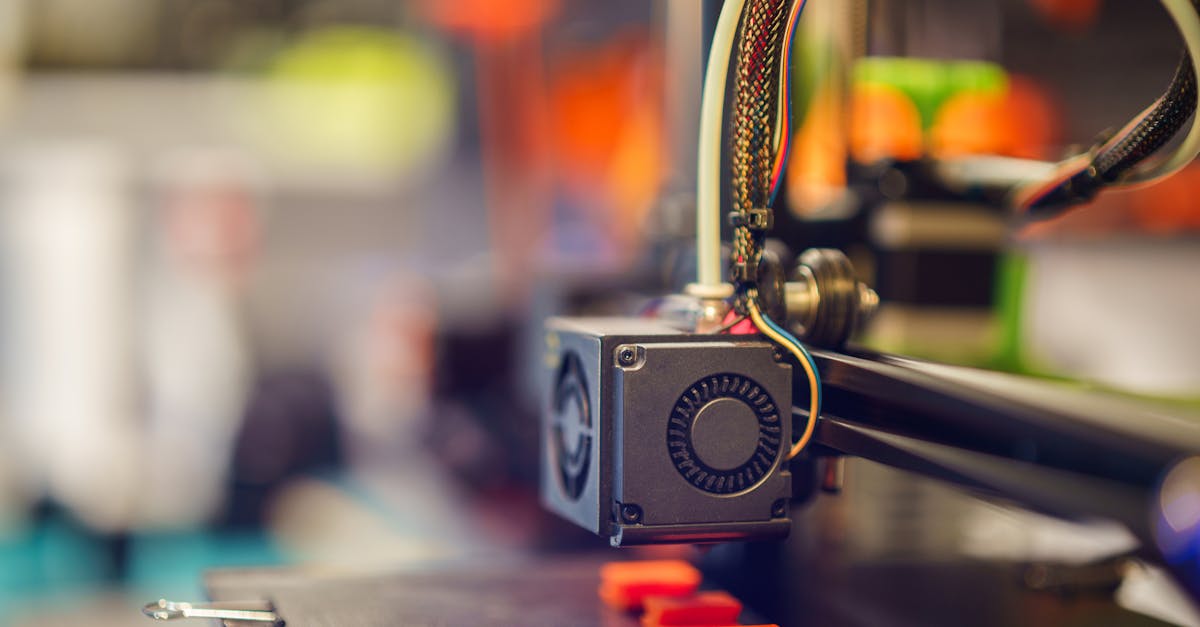
Photo by Jakub Zerdzicki on Pexels
Temperature resistance provides the clearest example. PLA begins to soften around 60°C (140°F) - a temperature easily reached in a closed car on a sunny day. PETG maintains its properties up to 80°C (176°F), while ABS handles up to 100°C (212°F). For many applications, this difference determines whether a part lasts years or weeks.
Smart Material Selection Framework
Match material properties to actual requirements, not perceived needs. Start by listing the real conditions your part will face. Temperature range? Chemical exposure? Mechanical stress? UV exposure? Many businesses over-specify based on worst-case scenarios that never materialize, or under-specify to save pennies on prototypes that evolve into production parts.
For indoor prototypes with no mechanical stress, PLA remains an excellent choice. The material prints easily, offers good dimensional accuracy, and costs less than alternatives. But the moment you add any environmental challenges - outdoor use, moderate heat, cleaning chemicals, or mechanical loads - engineering plastics justify their modest premium.
PETG hits the sweet spot for many applications. It combines the easy printing characteristics of PLA with chemical resistance approaching ABS. The material resists common solvents, handles moderate impacts, and maintains stability across temperature swings. Best of all, it prints without the warping issues and fumes associated with ABS.
Real Numbers: Material Cost Breakdown
Let’s examine actual costs for a typical business part. Consider a custom bracket measuring 100mm x 50mm x 20mm with 30% infill - a common size for fixtures and tooling. Here’s the material cost breakdown:
- PLA: Approximately $0.85-1.20 per part
- PETG: Approximately $1.10-1.55 per part
- ABS: Approximately $1.00-1.45 per part
- ASA: Approximately $1.50-2.10 per part
- Nylon: Approximately $2.00-3.50 per part
The difference between PLA and PETG amounts to $0.25-0.35 per part. For a production run of 50 brackets, you’re looking at $12-18 in additional material costs to gain chemical resistance, impact strength, and temperature stability. Most businesses waste more than that in a single meeting.
These calculations assume standard material pricing and don’t account for failed prints, which increase with difficult materials. PLA and PETG print reliably on most equipment, while materials like Nylon require precise environmental control and may need multiple attempts.
When Premium Materials Make Sense
Some applications genuinely require specialized materials. Outdoor equipment exposed to constant UV needs ASA or similar UV-stabilized plastics. Parts subject to high mechanical stress benefit from Nylon’s toughness or carbon fiber composites’ rigidity. Flexible applications demand TPU. These materials cost more and often require specialized handling, but they enable applications impossible with standard plastics.
The key lies in matching requirements to capabilities. A GPS mount for construction equipment needs UV resistance and impact strength - ASA makes sense despite the higher cost. But a prototype housing for indoor testing? PETG delivers everything needed at a fraction of the price.
Carbon fiber composites illustrate the upper end of the spectrum. These materials can cost 3-5 times more than standard plastics and require hardened nozzles for printing. However, they deliver stiffness-to-weight ratios that enable drone parts, racing components, and precision fixtures impossible with standard materials. The premium price buys genuine capability, not just bragging rights.
Breaking Down Total Project Costs
Material represents only one component of 3D printing costs. Machine time, labor, post-processing, and design work often outweigh raw material expenses. A complex part requiring support removal and surface finishing might accumulate $50 in labor costs whether printed in PLA or PETG. Saving $2 on material while accepting inferior properties makes little economic sense.
This calculation shifts further when considering iteration cycles. Engineering plastics’ superior properties often reduce the number of design iterations needed. A PETG prototype that accurately represents final part behavior eliminates guesswork that might require multiple PLA versions to resolve. Fewer iterations mean faster development and lower total costs.
Production volumes amplify these effects. For one-off prototypes, material cost differences barely register. But for recurring parts or small batch production, choosing the right material up front prevents future headaches. A manufacturing fixture printed in appropriate material lasts months or years longer than a budget alternative.
Material Myths That Cost Money
Outdated assumptions about 3D printing materials persist despite industry advances. Many decision-makers still believe engineering plastics require industrial equipment or specialized expertise. While true for some exotic materials, PETG and similar engineering plastics run successfully on standard FDM printers with basic adjustments.
Another persistent myth claims that only injection-molded plastics deliver “real” engineering properties. Modern 3D printing materials often match or exceed injection-molding grades in specific properties. Layer adhesion and print orientation require consideration, but proper design accommodates these factors while maintaining strength requirements.
The “prototype-only” mindset particularly limits value capture. Many parts initially printed for testing perform so well they transition directly to production use. Starting with appropriate materials enables this transition without reprinting or redesigning. We regularly see custom drone parts evolve from prototypes to flight-ready components simply because the initial material choice supported both uses.
Making Informed Material Decisions
Successful material selection balances multiple factors beyond raw cost. Consider your timeline, volume requirements, and quality expectations alongside material prices. Rush projects might justify premium materials to ensure first-time success. High-volume production amplifies small per-part savings into significant amounts.
Ask specific questions about your application: Will parts face temperature extremes? Do they contact chemicals or fuels? Must they maintain precise dimensions over time? Do aesthetic requirements matter? Each answer helps narrow material options to those genuinely suited for your needs.
Remember that material costs continue dropping as technology advances. What seems expensive today might become standard tomorrow. Building experience with engineering plastics now prepares your team for future opportunities while delivering immediate benefits through better part performance.
Transform Your Material Strategy
Engineering-grade plastics deliver professional results without premium pricing. The modest cost difference between basic and engineering materials often disappears when considering total project value, part longevity, and reduced iteration cycles.
Ready to explore how the right materials can improve your projects while managing costs? Our team specializes in material selection that balances performance requirements with budget realities. We’ll help you identify which engineering plastics make sense for your specific applications.
Start your project with a custom order and discover how modern material options can transform your approach to 3D printing.
Further Reading
Related Articles
Waterproofing 3D Prints: Methods & Materials
Learn proven techniques to make FDM 3D printed parts waterproof for outdoor and liquid-contact applications.
3D Printing Validation Testing Guide
Master validation testing for 3D printed parts with dimensional checks, strength tests, and material verification methods.
Cost-Per-Part Calculator for 3D Printing
Master the hidden variables that determine your true 3D printing costs and make smarter sourcing decisions.