
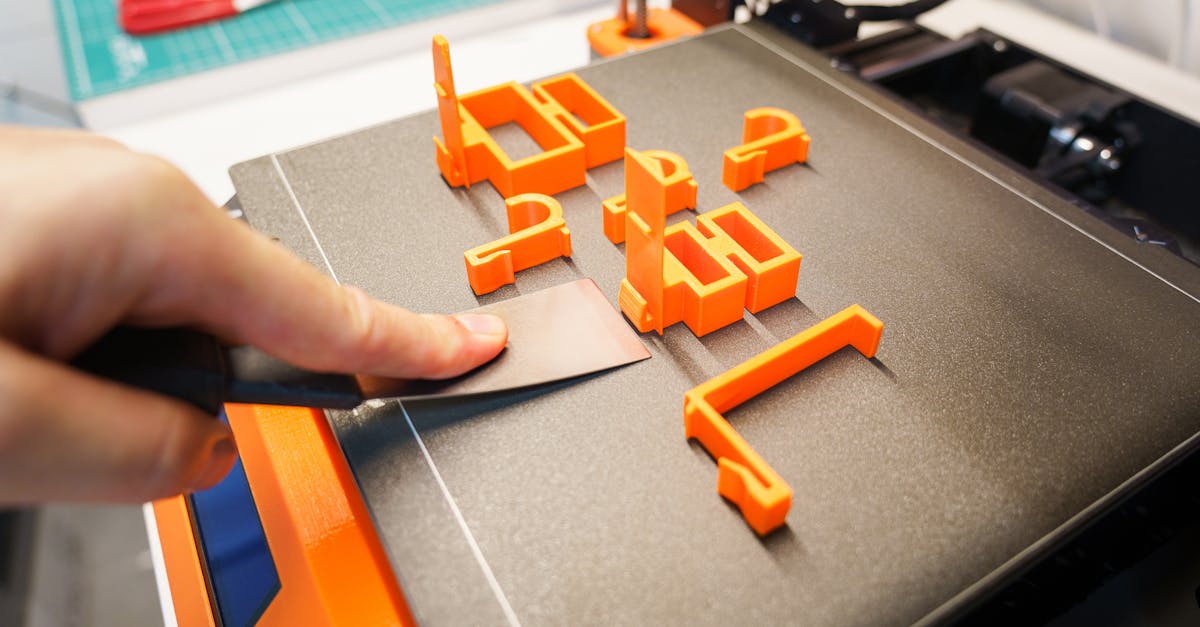
Photo by FOX ^.ᆽ.^= ∫ on Pexels
AI-Powered Design: Future of 3D Printing

AI-Powered Design: Future of 3D Printing
Artificial intelligence is revolutionizing how we approach 3D printing design workflows. From generative design algorithms that create optimized part geometries to AI-powered file repair tools, these technologies are making 3D printing more accessible and efficient for businesses across Charlotte and beyond.
As someone who works with 3D printing files daily, I’ve watched these tools evolve from experimental concepts to practical business solutions. The intersection of AI and additive manufacturing represents a fundamental shift in how we think about design for manufacturing.
What Generative Design Means for Your Parts
Generative design uses AI algorithms to create optimized part geometries based on your requirements. You input constraints like load conditions, material properties, and manufacturing methods, and the software generates dozens or even hundreds of design options. Each option meets your specifications while minimizing material usage and maximizing strength.
Traditional CAD design follows human intuition - we create shapes based on what we think will work. Generative design explores solutions humans might never consider. The resulting organic, lattice-like structures often look alien but perform better than conventional designs.
For businesses evaluating rapid prototyping, generative design can accelerate the iteration process. Instead of manually creating multiple design variations, you can generate and evaluate numerous options simultaneously. We regularly print these AI-optimized parts in PETG for engineering applications where the complex geometries provide superior strength-to-weight ratios.
AI Tools Fixing Common 3D Printing Issues
File preparation remains one of the biggest bottlenecks in 3D printing workflows. Models created for visualization often have issues that prevent successful printing - non-manifold edges, inverted normals, or disconnected surfaces. AI-powered repair tools now handle these problems automatically.
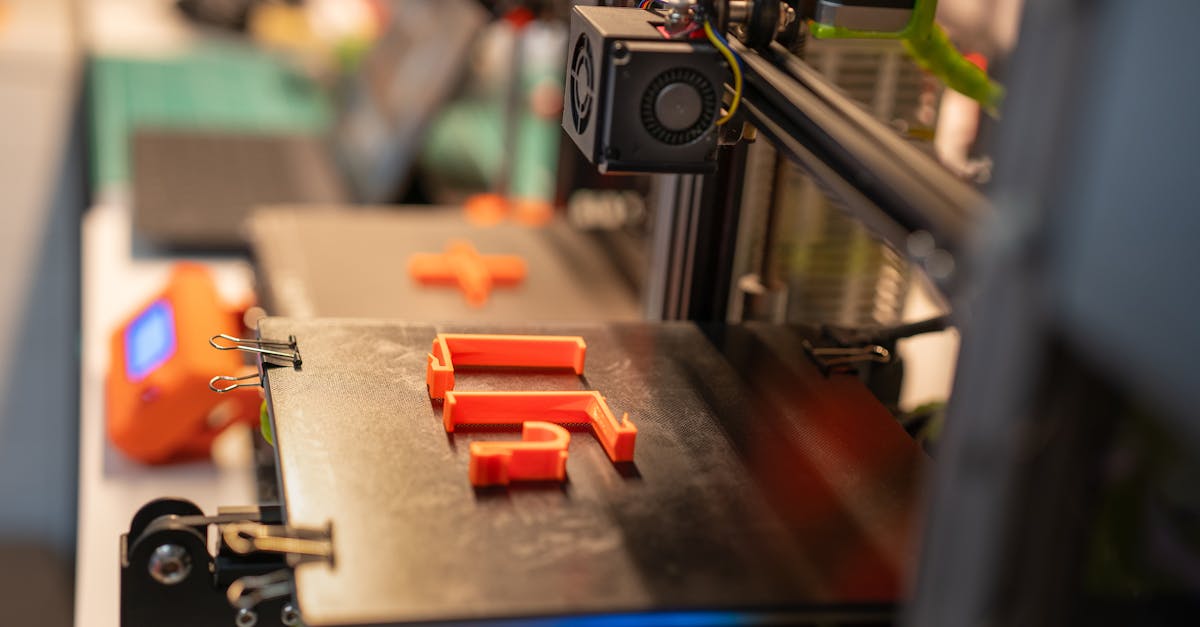
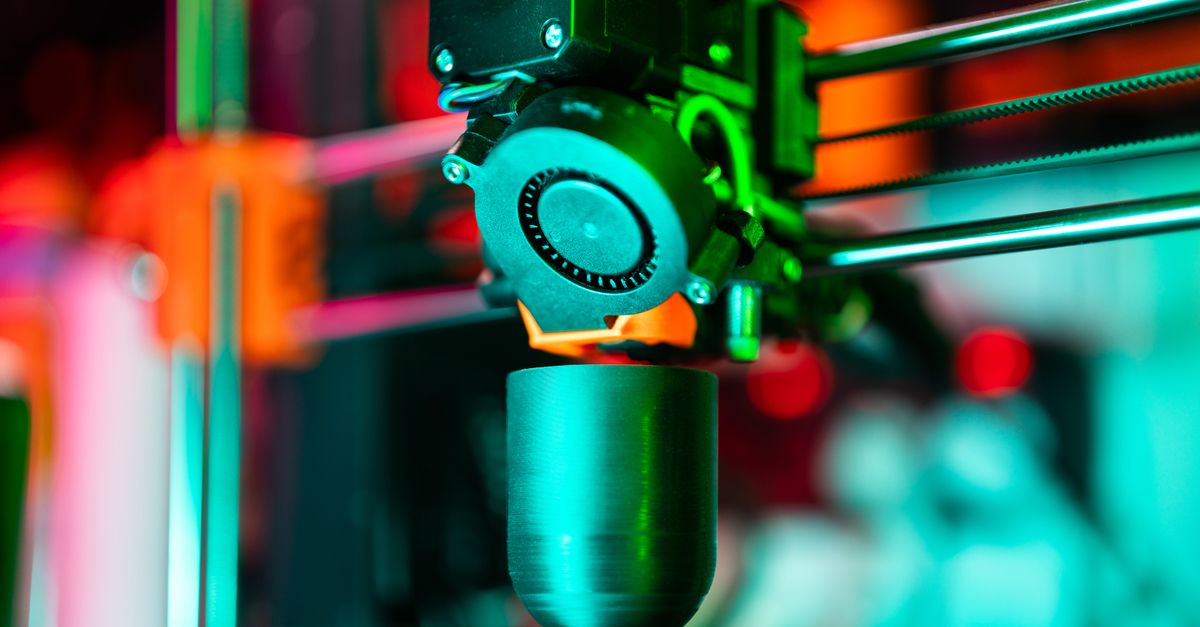
Photo by Jakub Zerdzicki on Pexels
Modern AI repair tools can:
- Detect and fix mesh errors automatically
- Add proper wall thickness to thin features
- Generate support structures optimized for minimal material use
- Orient parts for optimal print quality and speed
These capabilities matter when you’re moving from prototype to small-batch production. Manual file repair for hundreds of parts becomes impractical. AI automation ensures consistent, printable files without hours of manual cleanup.
Machine Learning Optimizes Print Parameters
Every 3D printing material behaves differently. PLA prints reliably at 200-210°C with minimal warping. PETG requires 230-250°C and benefits from slower first layer speeds. ABS needs a heated chamber to prevent warping and typically runs at 240-260°C.
Machine learning algorithms now analyze thousands of successful prints to recommend optimal settings for specific geometries and materials. These systems consider factors like:
- Overhang angles and bridge lengths
- Wall thickness variations
- Internal geometry complexity
- Required surface finish
For businesses using 3D printing for manufacturing tooling and fixtures, these AI-optimized parameters reduce trial-and-error testing. A fixture that needs precise dimensional accuracy might use different settings than a prototype where speed matters more than surface finish.
Predictive Analytics Prevent Print Failures
Failed prints waste time, material, and money. AI systems trained on millions of print jobs can now predict failure likelihood before you start printing. They analyze your model geometry, selected materials, and print settings to flag potential issues.
Common predictions include:
- Areas likely to experience poor adhesion
- Features that may cause nozzle collisions
- Sections prone to stringing or oozing
- Zones where support removal might damage the part
This predictive capability becomes crucial for automotive restoration parts where a single complex component might take 20+ hours to print. Catching issues before printing saves days of production time.
Natural Language Processing Simplifies Design Intent
Translating ideas into 3D models traditionally requires CAD expertise. Natural language processing now enables non-technical users to describe what they need and receive printable designs. While not replacing professional CAD for complex parts, these tools democratize access to custom design services.
Imagine describing a bracket as “L-shaped, 3 inches on each side, with four mounting holes, needs to support 10 pounds.” AI design tools can interpret this description and generate multiple design options meeting these requirements. Each option considers 3D printing constraints like minimum wall thickness and support requirements.
Quality Control Through Computer Vision
Ensuring consistent quality across production runs requires constant vigilance. Computer vision systems now monitor prints in real-time, detecting issues like:
- Layer adhesion problems
- Stringing between features
- Warping or lifting from the build plate
- Under-extrusion or over-extrusion
For businesses producing drone and UAV parts where component failure isn’t an option, AI-powered quality control provides an additional safety layer. These systems can pause printing when issues arise, preventing wasted material and time.
Intellectual Property Protection with AI
Design theft remains a concern in digital manufacturing. AI watermarking embeds invisible signatures within 3D models that survive the printing process. These markers prove authenticity without affecting part function or appearance.
Blockchain integration takes this further, creating immutable records of design ownership and modification history. For corporate awards and promotional products, this technology ensures brand protection and design authenticity.
Material Property Prediction
Not every application requires exotic materials. AI models trained on material testing data can predict whether standard materials like PLA or PETG will meet your requirements. By analyzing intended use conditions - temperature range, chemical exposure, mechanical stress - these tools recommend appropriate materials without over-engineering.
This capability helps businesses avoid unnecessary costs. A fixture used in a climate-controlled facility might perform perfectly in PLA, while outdoor applications might require UV-resistant materials like ASA. AI prediction tools help make these decisions based on data, not guesswork.
Future Integration Possibilities
The convergence of AI and 3D printing continues accelerating. Emerging developments include:
- Self-correcting printers that adjust parameters mid-print
- Collaborative robots handling post-processing tasks
- AI-designed support structures that dissolve in specific patterns
- Predictive maintenance preventing printer downtime
These advances will make 3D printing even more accessible for businesses without dedicated technical staff. As these tools mature, the barrier between idea and physical part continues shrinking.
Getting Started with AI-Enhanced 3D Printing
Whether you’re exploring AI design tools or need help preparing complex files for printing, we’re here to support your projects. Our custom design services work with both traditional CAD files and AI-generated geometries.
Ready to explore how AI can enhance your 3D printing workflow? Get a custom quote for your next project.
Related Resources
Related Articles
Waterproofing 3D Prints: Methods & Materials
Learn proven techniques to make FDM 3D printed parts waterproof for outdoor and liquid-contact applications.
3D Printing Support Structures Explained
Master support structures in 3D printing to reduce costs and improve part quality for your business projects.
Prototype Testing Methods That Save Time
Learn proven prototype testing techniques that accelerate development cycles and catch issues before expensive production runs.