

Photo by Jakub Zerdzicki on Pexels
Digital Thread: Track Parts from CAD to Delivery

Digital Thread: Track Parts from CAD to Delivery
The manufacturing world runs on data, and 3D printing generates more of it than almost any other production method. Every print job creates a digital trail - from initial CAD file through slicing parameters, machine settings, and final quality checks. Smart businesses are discovering that this data stream, properly captured and managed, becomes a powerful tool for quality assurance, continuous improvement, and regulatory compliance.
The digital thread concept isn’t new to aerospace and medical device manufacturing. These industries have tracked every detail of critical parts for decades. What’s changing is that affordable software tools now bring this capability to small and mid-sized manufacturers using 3D printing for everything from prototypes to production parts. Understanding how to implement digital thread tracking can transform your additive manufacturing operations from a series of disconnected print jobs into a cohesive, data-driven production system.
What Makes a Digital Thread
A digital thread connects every piece of information about a part throughout its lifecycle. For 3D printed parts, this typically includes design files and revision history, material batch numbers and certifications, printer settings and environmental conditions, post-processing steps performed, quality inspection results, and final destination or installation location.
Traditional manufacturing often loses this connection between data points. A machinist might know they cut a part from a specific aluminum billet, but connecting that information to the original design intent, the specific CNC program used, and the final inspection report often requires manual detective work through paper records or disconnected digital systems.
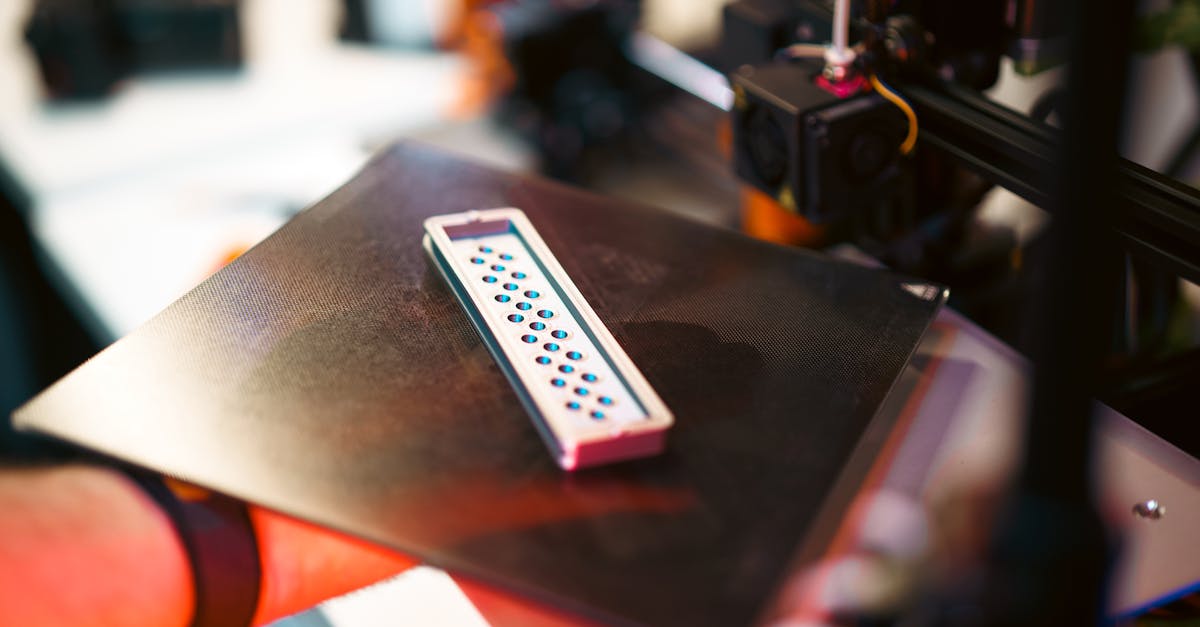
Photo by Jakub Zerdzicki on Pexels
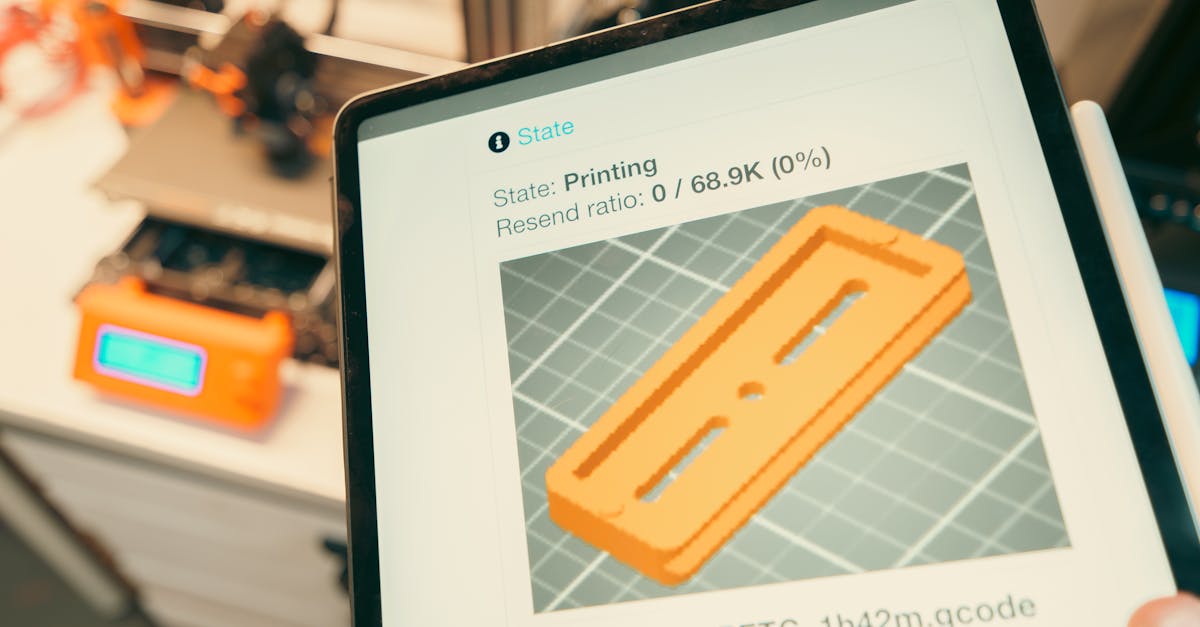
3D printing naturally generates much of this data digitally. Modern slicing software records every parameter used to prepare a file. Printers log temperatures, speeds, and material usage. The challenge lies in capturing this information systematically and making it accessible when needed - whether that’s for a customer asking about their part’s specifications or an engineer investigating why a particular batch showed dimensional variations.
Building Your Thread Infrastructure
Creating a digital thread doesn’t require expensive enterprise software, though such systems certainly exist for larger operations. Many businesses start with a combination of folder structures, spreadsheets, and basic database tools. The key is consistency and planning.
File naming conventions form the foundation. A part file named “bracket_v3_FINAL_FINAL_reallyFinal.stl” tells you nothing useful six months later. A systematic approach like “P2024-001_bracket_intake_v3_PETG.stl” immediately identifies the project year, part number, function, revision, and intended material. This naming discipline extends through the entire workflow - slice files, print logs, inspection reports, and shipping records should all follow predictable patterns that link back to the original design.
Version control becomes critical as designs evolve. Whether you use formal PLM (Product Lifecycle Management) software or simply maintain a detailed changelog, tracking why each revision was made prevents costly confusion. Consider a scenario where a customer orders replacement parts two years after the initial batch. Without proper version tracking, you might unknowingly print from an outdated file that lacks critical improvements made after field testing.
Practical Implementation Steps
Start small with your digital thread implementation. Pick one product line or customer project as a pilot program. Document every step from initial design consultation through final delivery. Note which data points prove most valuable and which create unnecessary overhead.
Material traceability often provides immediate value. Recording which spool of filament was used for each part might seem excessive until a customer reports premature wear on a batch of parts. Being able to trace those parts back to a specific material lot - and then identify all other parts made from that lot - transforms a potential crisis into a manageable quality control issue.
Environmental data matters more than many realize. Temperature and humidity affect how thermoplastics print and cure. Recording ambient conditions during printing helps diagnose issues that only appear seasonally or in specific weather patterns. Our Charlotte location experiences significant humidity variations throughout the year, and tracking this data has helped us adjust print parameters proactively rather than reactively.
Real Benefits for Real Businesses
The payoff for implementing digital thread tracking extends beyond satisfying quality auditors. Engineering teams use historical print data to optimize designs for manufacturability. When every iteration of a part includes complete production records, patterns emerge showing which design features consistently cause problems or require support material.
Customer confidence increases dramatically when you can answer detailed questions about their parts. Instead of vague assurances about quality, you can show specific data: “Your brackets were printed at 235°C nozzle temperature with 0.2mm layer height, using PETG from lot #42024-15 that tested at 51 MPa tensile strength. Post-processing included vapor smoothing at 80°C for 45 seconds, and dimensional inspection showed all critical features within ±0.15mm of nominal.”
Cost analysis becomes far more accurate with complete digital records. Knowing exactly how much material each part consumed, including support structures and failed attempts, enables precise quotations for repeat orders. Machine time tracking reveals which designs tie up printers disproportionately, suggesting candidates for design optimization or different manufacturing methods.
Overcoming Common Obstacles
Small shops often resist digital thread implementation, viewing it as corporate bureaucracy that slows down their agile operations. The truth is that good systems actually speed up operations by eliminating time wasted searching for information or recreating lost data.
Start with the data you’re already generating. Most 3D printers can export log files. Most CAD software maintains revision history. Most businesses already create invoices and packing lists. The initial challenge involves connecting these existing data sources rather than creating entirely new documentation processes.
Avoid over-engineering your system. A complex database that requires 15 fields to be completed before starting a print job will be abandoned within a week. A simple spreadsheet that captures part number, material, print date, and operator might provide 80% of the value with 20% of the effort.
Software Tools and Integration
Modern manufacturing execution systems (MES) designed for 3D printing can automate much of the digital thread creation. These systems integrate with printers to automatically capture job data, link to CAD repositories for design files, and generate reports for quality control and customer delivery.
Cloud-based solutions offer advantages for distributed operations. When design happens in one location and printing in another, cloud systems ensure everyone works from the same current data. However, local backup remains essential - internet outages shouldn’t halt production, and sensitive customer data may require on-premise storage for security compliance.
Open-source alternatives exist for budget-conscious operations. OctoPrint and similar printer management tools can be extended with plugins to capture and store production data. Combined with version control systems like Git for managing design files, small shops can build surprisingly sophisticated tracking systems without significant software investment.
Looking Forward
As 3D printing moves from prototyping into production manufacturing, digital thread capabilities become competitive requirements rather than nice-to-have features. Industries already embracing this include medical device manufacturers tracking implant production, automotive suppliers ensuring part traceability for recall management, and aerospace companies meeting stringent documentation requirements.
The convergence of 3D printing with IoT sensors and blockchain technology promises even more comprehensive tracking. Imagine parts that carry their complete production history in an embedded chip, or blockchain records that prove a replacement part matches the original specifications exactly. These technologies exist today in pilot programs and will become mainstream as costs decrease.
For businesses just beginning their digital thread journey, the message is clear: start now, start simple, but start. The data you capture today becomes the foundation for process improvements, quality gains, and customer confidence tomorrow. Every part tells a story - digital thread ensures you can read that story whenever needed.
Transform Your Production Data
Ready to implement digital thread tracking in your 3D printing workflow? CLT 3D Printing helps Charlotte-area businesses design documentation systems that capture critical production data without slowing down operations. Whether you need one prototype or 500 production parts, we maintain complete records ensuring quality and traceability.
Start your project with built-in digital tracking - request a quote today.
Related Resources
Related Articles
Waterproofing 3D Prints: Methods & Materials
Learn proven techniques to make FDM 3D printed parts waterproof for outdoor and liquid-contact applications.
3D Printing Validation Testing Guide
Master validation testing for 3D printed parts with dimensional checks, strength tests, and material verification methods.
Cost-Per-Part Calculator for 3D Printing
Master the hidden variables that determine your true 3D printing costs and make smarter sourcing decisions.