Photo by Matheus Bertelli on Pexels
Best 3D Printing Service Selection Guide

Best 3D Printing Service Selection Guide
Choosing the best 3D printing service for your project can mean the difference between a successful product launch and costly delays. With dozens of 3D printing companies competing for your business - from online marketplaces to local commercial 3D printing shops - knowing what to evaluate helps you make the right choice.
This guide breaks down the essential factors to consider when selecting a 3D printing partner, whether you need a single prototype or ongoing production support.
Material Options: Foundation of Your Project
Not all 3D printing services offer the same materials. The best 3D printing service for your project depends heavily on matching material properties to your application requirements. A shop that only offers basic PLA might work for visual prototypes but falls short for functional parts.
Look for services offering at least these core materials:
- PLA for cost-effective prototypes and low-stress parts
- PETG for chemical resistance and moderate temperature exposure
- ABS for heat resistance and post-processing flexibility
Advanced shops also provide specialty materials like ASA for UV resistance, Nylon for wear resistance, TPU for flexibility, and carbon fiber composites for strength. At CLT 3D Printing, we run PLA and PETG as our primary materials while offering ABS and other specialty options based on project needs.
Consider your operating environment too. Will parts face outdoor exposure? Chemical contact? Mechanical stress? The right material selection prevents field failures and reprints.
Turnaround Time vs. Quality Balance
Speed matters, but not at the expense of part quality. When evaluating 3D printing companies, understand their standard turnaround times and rush options. Most commercial 3D printing shops operate on a 3-7 business day timeline for standard orders, with 24-48 hour rush availability.
Key questions to ask:
- What’s the standard turnaround for my quantity?
- How do rush fees scale with order size?
- Does faster turnaround affect print quality?
- Can they handle deadline-critical projects?
Local services often provide faster turnaround than online providers due to eliminated shipping time. This becomes critical for iterative prototyping where you need to test, refine, and reprint quickly.
Photo by Jakub Zerdzicki on Pexels
Quality Control Standards and Processes
The best 3D printing service implements rigorous quality control. Ask potential providers about their QC process. Professional shops should offer:
- First article inspection on batch orders
- Dimensional verification against CAD files
- Visual inspection for surface defects
- Documentation of print parameters used
- Clear communication about tolerance expectations
FDM printing typically achieves tolerances of +/- 0.2mm to 0.5mm depending on part geometry and size. Shops claiming tighter tolerances without specialized equipment or processes should raise red flags.
Quality also extends to consistency. A provider printing 50 units should deliver uniform parts, not a mix of quality levels. Ask about their printer maintenance schedules and calibration procedures.
Design Support Capabilities
Not every project arrives print-ready. The best 3D printing service helps optimize your designs for successful printing. This support ranges from basic file repair to complete design services.
Essential design support includes:
- File format conversion and repair
- Design for manufacturing (DFM) feedback
- Support structure optimization
- Wall thickness and feature size guidance
- Material selection consultation
Some shops go further with full CAD design services. If you have a concept but no 3D model, these providers bridge that gap. Our custom design services help clients move from napkin sketches to printed parts.
Local vs. Online: Proximity Advantages
Local commercial 3D printing shops offer distinct benefits. While online services provide broad material selection and capacity, local providers deliver advantages that matter for many projects:
Communication clarity. Face-to-face meetings eliminate misunderstandings about project requirements. You can physically examine material samples and previous work.
Rapid iteration. Pick up parts the same day they finish. Test, provide feedback, and get revisions without shipping delays.
Relationship building. Develop a partnership where the provider understands your business and anticipates your needs.
Supporting local economy. Keep manufacturing dollars in your community while reducing shipping emissions.
For Charlotte-area businesses, working with a local 3D printing service means faster response times and the ability to handle urgent needs without overnight shipping costs.
Cost Transparency and Value
Price alone shouldn’t drive your decision. The cheapest quote often hides compromises in quality, material, or service. Evaluate total value including:
- Material quality and sourcing
- Print resolution and finish quality
- Design optimization assistance
- Reliability and on-time delivery
- Post-processing options
- Minimum order flexibility
Request detailed quotes breaking down material costs, machine time, and labor. This transparency helps you understand pricing and make informed comparisons between providers.
Be wary of prices significantly below market rates. They might indicate:
- Lower-grade materials
- Minimal quality control
- Outsourcing to unknown facilities
- Hidden fees added later
Technical Capabilities Assessment
Match provider capabilities to your project needs. Different 3D printing companies excel in different areas. Assess:
Build volume. Can they print your parts in one piece, or will they require splitting and assembly?
Resolution options. Do they offer multiple layer heights for balancing speed vs. quality?
Multi-material capability. Can they combine materials in assemblies or provide various options?
Post-processing services. Do they offer sanding, painting, vapor smoothing, or other finishing?
Technology range. While we focus on FDM printing with selective resin capabilities, some projects might benefit from SLS, SLA, or other technologies.
Industry Experience and Specialization
Domain expertise accelerates success. Shops with experience in your industry understand common requirements and challenges. They anticipate issues before they become problems.
For example, automotive restoration projects often need parts matching specific era aesthetics while meeting modern performance standards. Drone and UAV components require lightweight designs with precise tolerances. Manufacturing teams need robust fixtures that withstand daily use.
Ask potential providers about similar projects - not for specific client details, but for general experience with your application type. Understanding industry-specific requirements leads to better first-time success rates.
Making Your Selection
Combine all factors for the best choice. Start by listing your project priorities:
- Required materials and properties
- Timeline constraints
- Budget parameters
- Quality requirements
- Ongoing support needs
Then evaluate providers against these criteria. Don’t hesitate to request samples in your intended material or visit facilities when possible.
The best 3D printing service becomes a partner in your success, not just a vendor processing orders. They should demonstrate genuine interest in your application and suggest optimizations that improve outcomes.
Ready to Start Your Project?
CLT 3D Printing combines technical expertise with local accessibility to serve Charlotte-area businesses. Our focus on quality, transparent communication, and rapid turnaround helps you move from concept to production efficiently.
Whether you need rapid prototyping, small-batch production, or design assistance, we’re ready to discuss your project requirements.
Start Your Custom Order - Upload your files or describe your project for a detailed quote.
Related Resources
Related Articles
3D Printing Validation Testing Guide
Master validation testing for 3D printed parts with dimensional checks, strength tests, and material verification methods.
Cost-Per-Part Calculator for 3D Printing
Master the hidden variables that determine your true 3D printing costs and make smarter sourcing decisions.
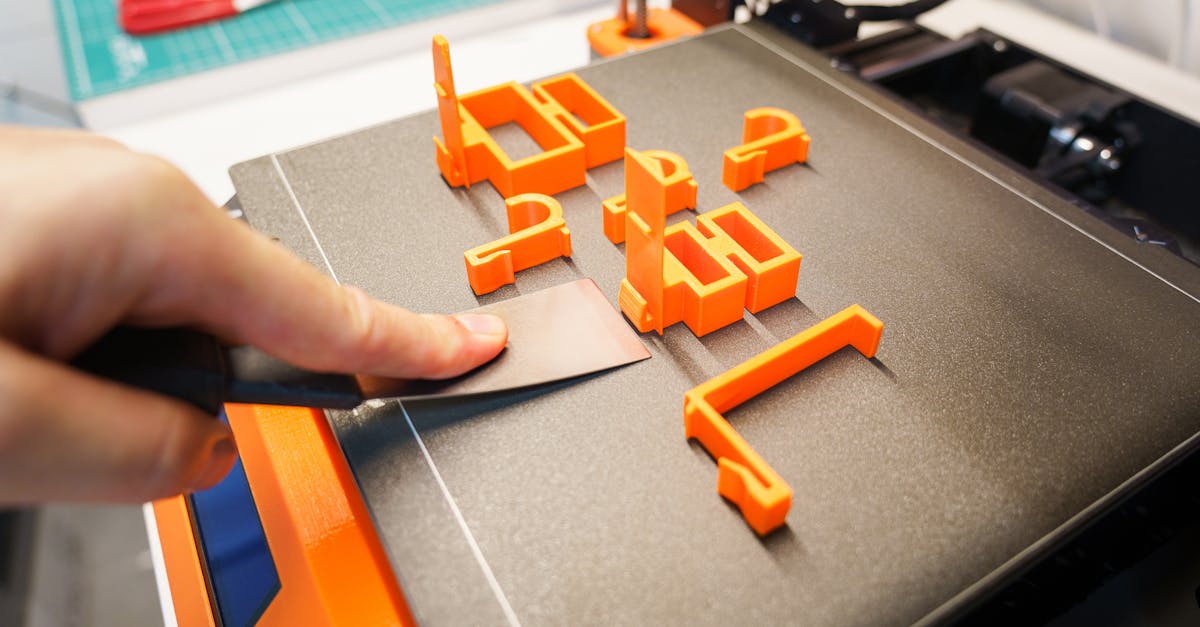
3D Printing Support Structures Explained
Master support structures in 3D printing to reduce costs and improve part quality for your business projects.