

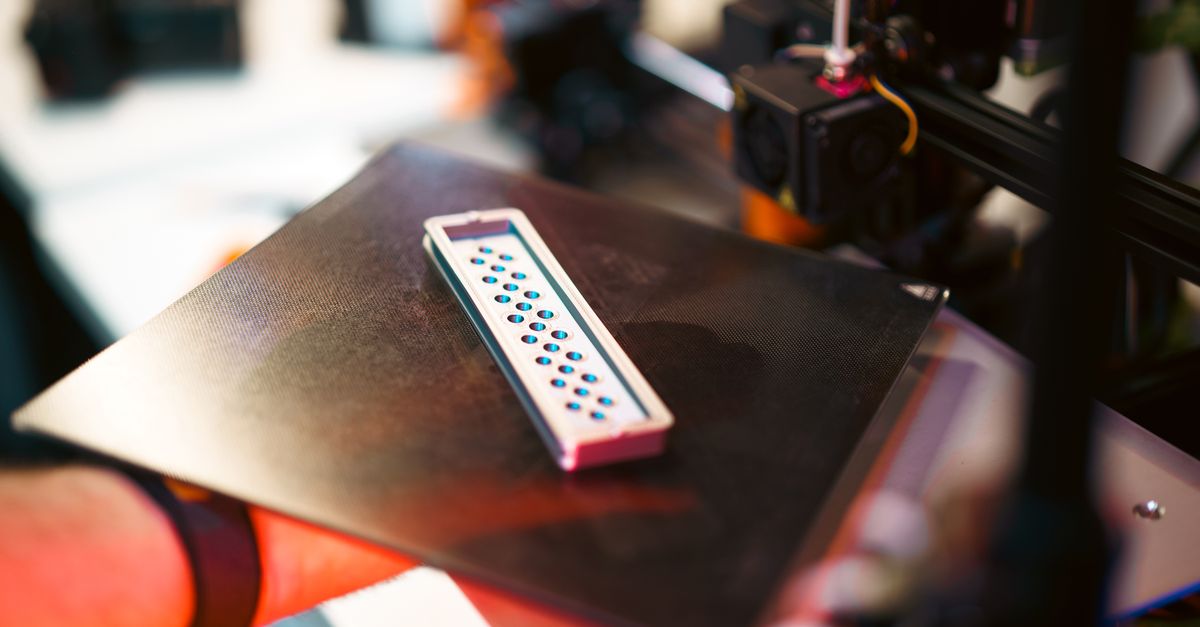
Photo by Jakub Zerdzicki on Pexels
3D Printing Validation Testing Guide

3D Printing Validation Testing Guide
Validation testing transforms 3D printed prototypes from hopeful concepts into proven production parts. Whether you’re developing a new product or replacing traditional components with 3D printed alternatives, systematic testing builds confidence in your parts before committing to larger production runs.
At CLT 3D Printing, we guide businesses through the validation process daily. While specific testing requirements vary by industry and application, understanding the fundamental validation methods helps you plan smarter projects and avoid costly surprises.
Why Validation Testing Matters More Than Ever
The stakes have changed. 3D printing no longer lives solely in the prototype phase - businesses now use FDM parts in production environments, from manufacturing fixtures to end-use components. This shift demands rigorous validation to ensure parts meet specifications consistently.
Consider the automotive industry, where a single failed component can trigger expensive recalls. Or drone manufacturers, where weight tolerances directly impact flight performance. These applications require validation data that proves parts will perform as designed, batch after batch.
Material behavior adds complexity. Unlike injection molded parts with uniform properties, 3D printed components exhibit directional strength variations based on layer orientation. A part strong in one direction might fail under load from another angle. Validation testing reveals these characteristics before they become field failures.
Dimensional Verification: Your First Line of Defense
Dimensional accuracy forms the foundation of part validation. Even the most robust part fails if it doesn’t fit properly with mating components.
Critical Measurements to Check
Overall dimensions verify that your part matches the CAD model within acceptable tolerances. FDM printing typically achieves ±0.2mm accuracy on well-calibrated machines, though features under 2mm may show greater variation.
Hole diameters and depths often print smaller than designed due to material shrinkage and layer adhesion patterns. Testing reveals whether you need to adjust CAD dimensions to achieve target sizes. For critical fits, we often recommend printing test coupons with various hole sizes to determine optimal compensation values.
Wall thickness measurements ensure structural integrity. Thin walls below 1.2mm (3 perimeters at 0.4mm nozzle width) may show inconsistencies that affect strength. Measure at multiple points along each wall to identify variations.
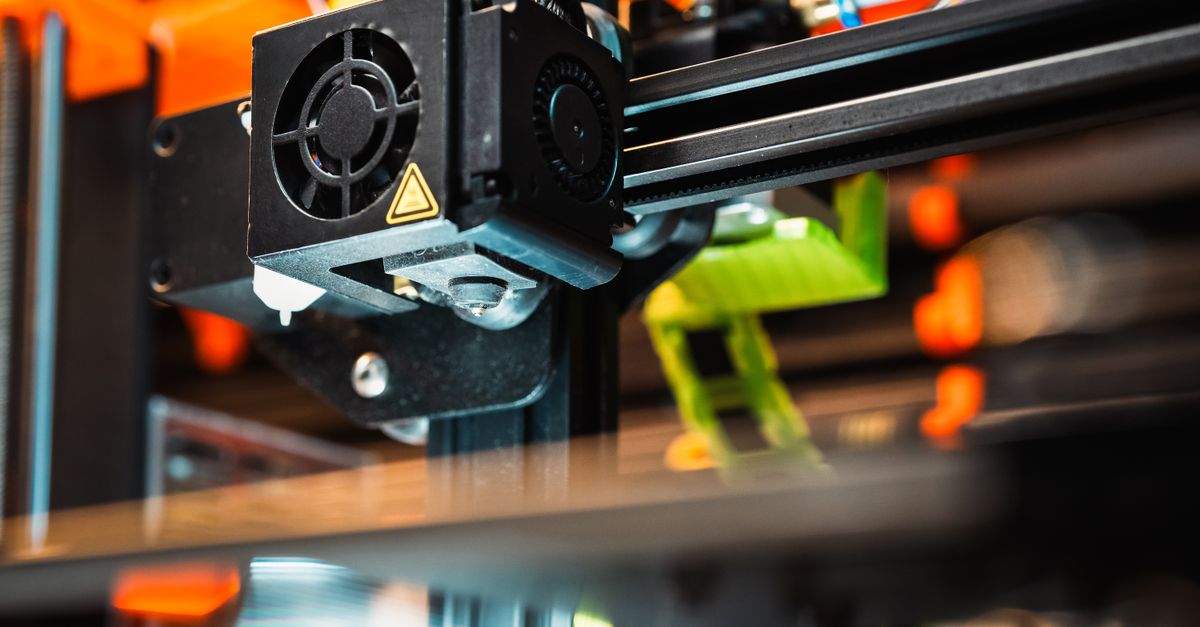
Photo by Jakub Zerdzicki on Pexels
Tools and Techniques
Digital calipers handle most dimensional checks with 0.01mm resolution. For complex geometries or internal features, consider pin gauges, bore gauges, or optical comparators. Some businesses use coordinate measuring machines (CMMs) for high-precision validation, though this level of verification exceeds typical FDM requirements.
Pro tip: Create a dimensional inspection checklist for each part design. List every critical dimension, acceptable tolerance range, and measurement method. This standardizes validation across production runs and helps identify trending issues early.
Mechanical Testing Methods That Work
Strength validation proves your parts can handle real-world forces. The testing method depends on your part’s function and failure modes.
Tensile Testing for Material Properties
Tensile tests reveal ultimate strength and elongation characteristics. Print standard ASTM D638 test specimens using identical settings as production parts - same material, layer height, infill percentage, and orientation.
PLA typically shows 50-60 MPa tensile strength when printed with good layer adhesion. PETG reaches 40-50 MPa with superior elongation before break. These values assume proper printing temperatures and minimal moisture content in the filament.
Layer orientation matters tremendously. Parts printed vertically (force perpendicular to layers) show 20-50% lower strength than horizontal orientations (force parallel to layers). Your validation testing must reflect actual use conditions.
Compression Testing for Load-Bearing Applications
Many 3D printed parts experience compression loads - think manufacturing fixtures holding workpieces or structural brackets supporting equipment. Compression testing validates performance under these conditions.
Test setup considerations: Ensure uniform load distribution across the part surface. Uneven loading creates stress concentrations that don’t reflect real-world performance. Use rigid platens larger than your part to distribute force evenly.
Monitor both peak load capacity and deformation characteristics. Some applications tolerate slight deformation if the part maintains function. Others require rigid performance throughout the load range.
Impact and Fatigue Testing
Impact resistance matters for parts subject to sudden loads or potential drops. Simple drop tests from specified heights provide practical validation for protective enclosures or handling fixtures. Formal Izod or Charpy impact tests offer standardized results for comparison.
Fatigue testing validates performance under cyclic loading. While full fatigue characterization requires thousands of cycles, abbreviated tests reveal obvious weaknesses. Apply 50-70% of ultimate load for 100-1000 cycles and inspect for crack initiation or excessive deformation.
Environmental and Chemical Resistance
Operating environment significantly affects 3D printed part performance. Validation testing should reflect actual use conditions.
Temperature Testing Protocols
Heat deflection testing determines maximum operating temperature before significant deformation occurs. PLA softens around 60°C, limiting high-temperature applications. PETG maintains form to approximately 80°C, while ABS reaches 95°C.
Create test fixtures that apply consistent load while gradually increasing temperature. The deflection temperature under your specific load conditions matters more than material datasheet values.
Thermal cycling between temperature extremes reveals potential failure modes. Differential thermal expansion can create internal stresses leading to warping or layer separation. Cycle between expected temperature extremes for 10-20 cycles and measure dimensional changes.
Chemical Compatibility Checks
Immersion testing validates resistance to oils, solvents, and cleaning chemicals. Submerge test samples for 24-168 hours, then evaluate weight change, dimensional stability, and mechanical property retention.
Common results from our material testing:
- PLA: Excellent resistance to oils and greases, poor resistance to alkaline cleaners
- PETG: Good chemical resistance overall, slight absorption with prolonged acetone exposure
- ABS: Dissolved by acetone, good resistance to oils and mild acids
Surface degradation sometimes occurs without complete failure. Check for color changes, surface roughening, or brittleness after chemical exposure. These aesthetic changes might matter for customer-facing parts even if mechanical properties remain acceptable.
Setting Up Your Validation Process
Effective validation balances thoroughness with practical constraints. Not every part needs every test.
Risk-Based Testing Selection
Critical safety components demand comprehensive validation - dimensional, mechanical, environmental, and often third-party certification. The investment in testing pays dividends in liability protection and customer confidence.
Non-critical parts might need only basic dimensional verification and visual inspection. A decorative housing or prototype visualization model doesn’t justify extensive mechanical testing.
Production fixtures and tools fall somewhere between. Validate dimensions carefully since fit affects function. Test mechanical properties if the fixture bears significant loads. Skip extensive environmental testing unless exposure to chemicals or temperature extremes occurs.
Documentation Best Practices
Test reports build trust. Document your validation process thoroughly:
- Test methods and equipment used
- Sample preparation details (print settings, conditioning time)
- Raw data and calculated results
- Pass/fail determination against specifications
- Photos of test setup and any failures observed
Create standardized templates for common tests. This speeds report generation and ensures consistency across projects.
Traceability matters. Link test results to specific material lots and print parameters. When issues arise, this documentation helps identify root causes and affected parts quickly.
When to Repeat Validation
Material lot changes potentially affect properties. While reputable manufacturers maintain consistency, prudent validation includes periodic verification with new material batches.
Process changes trigger revalidation needs. Switching printers, modifying print settings, or changing slicing software can alter part properties. Even seemingly minor changes like nozzle replacement might affect dimensional accuracy.
Time-based intervals make sense for ongoing production. Monthly or quarterly spot checks catch drift before it becomes problematic. Focus on critical dimensions and key performance characteristics rather than full revalidation.
Real-World Validation Examples
Understanding how different industries approach validation helps you design appropriate test protocols.
Automotive and Transportation
The automotive sector demands rigorous validation for both restoration parts and modern vehicle components. Temperature cycling between -40°C and +85°C simulates under-hood conditions. Vibration testing ensures parts won’t fail from road-induced frequencies. Chemical resistance testing covers exposure to fuels, oils, and cleaning products.
Dimensional validation often includes assembled fit checks. A bracket might measure perfectly but interfere with adjacent components due to tolerance stackup. Test fitting in actual assemblies reveals these issues early.
Drone and Aerospace Components
Weight drives validation priorities for drone parts. Every gram matters, so validation balances strength requirements with weight optimization. Modal analysis reveals resonant frequencies that could interfere with flight control systems.
Environmental testing focuses on UV resistance for exterior components and moisture absorption effects on dimensional stability. Even small dimensional changes from humidity cycling can affect aerodynamic performance.
Medical Device Prototyping
While we don’t produce final medical devices, prototype validation helps manufacturers prepare for regulatory submissions. Medical device prototypes undergo biocompatibility screening, dimensional verification to tight tolerances, and functional testing that simulates clinical use.
Documentation requirements exceed other industries. Every test parameter, result, and deviation needs careful recording. This prototype validation work streamlines eventual production part qualification.
Common Validation Pitfalls to Avoid
Testing the wrong orientation leads to false confidence. Always validate parts in their weakest orientation relative to expected loads. If uncertain about load direction, test multiple orientations to find minimum strength values.
Insufficient sample size risks missing variation. Single sample testing might catch gross failures but misses process variation. Test 3-5 samples minimum for critical properties, calculating both average and standard deviation.
Ignoring time-dependent effects creates surprises later. Some properties change over time - PLA can become brittle with age, especially under UV exposure. Accelerated aging tests help predict long-term performance.
Over-specifying requirements wastes resources. Match validation rigor to actual needs. A temporary fixture used for one week doesn’t need the same validation as a production part expected to last years.
Moving Forward with Confidence
Validation testing transforms 3D printing from experimental technology to reliable manufacturing method. By understanding test methods and tailoring validation to your specific needs, you build confidence in part performance while controlling costs.
Start simple with dimensional verification and basic functional tests. Expand validation protocols as applications demand. Document everything to build institutional knowledge and support continuous improvement.
Remember that validation serves a purpose - proving parts meet requirements. Don’t test for testing’s sake, but don’t skip critical validation either. Find the sweet spot that balances risk, cost, and performance for your specific application.
Ready to Validate Your 3D Printed Parts?
Whether you need test samples for validation, production parts that meet specifications, or guidance on test protocol development, we’re here to help. Our experience with diverse materials and applications helps you avoid common pitfalls and achieve reliable results.
Start your validation project today and move from prototype to production with confidence.
Related Resources
Related Articles
Waterproofing 3D Prints: Methods & Materials
Learn proven techniques to make FDM 3D printed parts waterproof for outdoor and liquid-contact applications.
Cost-Per-Part Calculator for 3D Printing
Master the hidden variables that determine your true 3D printing costs and make smarter sourcing decisions.
3D Printing Support Structures Explained
Master support structures in 3D printing to reduce costs and improve part quality for your business projects.