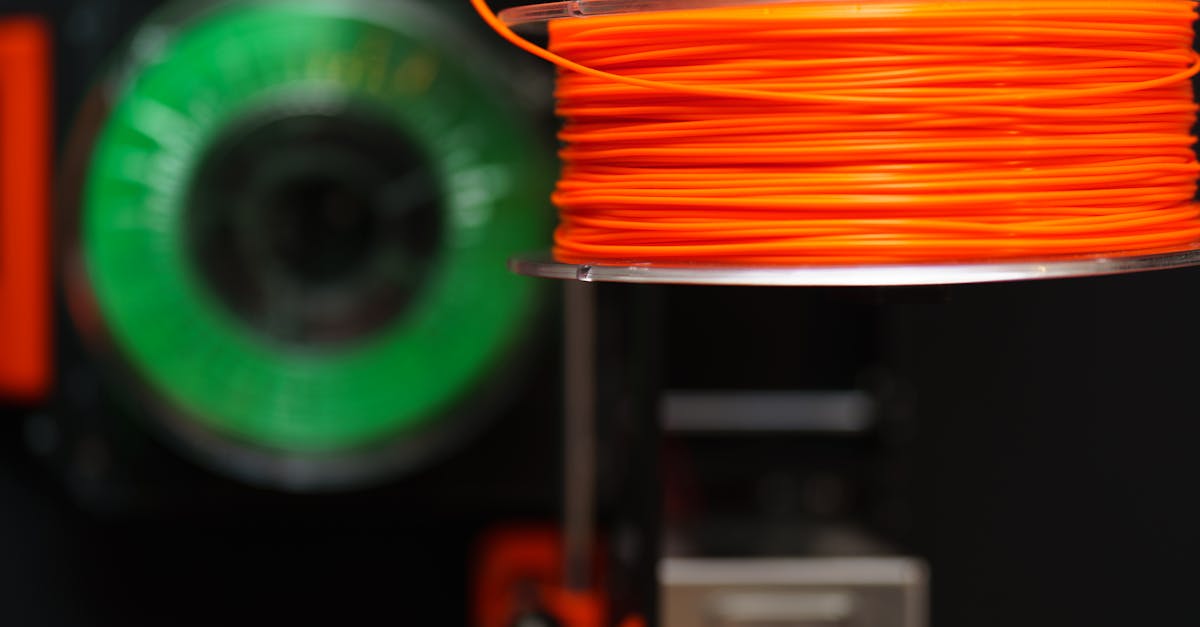
Photo by Jakub Zerdzicki on Pexels
Supply Chain Resilience Through 3D Printing

Supply Chain Resilience Through 3D Printing
The past few years taught every business a harsh lesson about supply chain vulnerability. From pandemic shutdowns to shipping delays, companies discovered their just-in-time inventory strategies could become just-too-late nightmares. Now, forward-thinking businesses are building supply chain resilience through strategic use of 3D printing services.
What Does Supply Chain Resilience Really Mean?
Supply chain resilience isn’t about having massive warehouses full of inventory. It’s about maintaining the ability to source critical components when traditional channels fail. This means having backup production methods, local suppliers, and flexible manufacturing partners who can pivot quickly when disruptions occur.
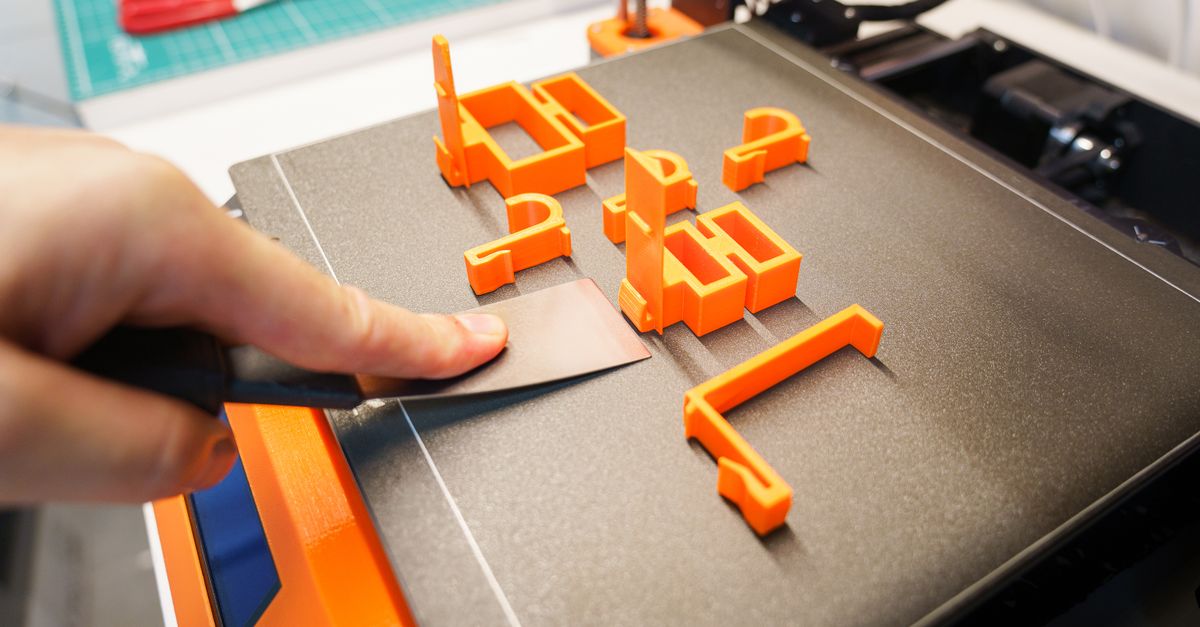
3D printing transforms the traditional linear supply chain into a distributed network. Instead of relying on a single factory halfway around the world, businesses can produce parts on-demand from digital files. This fundamental shift from physical inventory to digital inventory changes everything about supply chain management.
The Digital Inventory Revolution
Traditional manufacturing requires physical storage of parts, dies, molds, and tooling. Each SKU takes up warehouse space, ties up capital, and risks becoming obsolete. Digital inventory flips this model completely.
Your parts exist as CAD files until the moment you need them. No warehouse space. No inventory carrying costs. No risk of damage during storage. When you need a part, whether it’s one unit or fifty, you simply send the file to your 3D printing partner and production begins immediately.
This approach particularly benefits businesses with:
- High SKU counts but low volume per SKU
- Seasonal or sporadic demand patterns
- Legacy equipment requiring discontinued parts
- Rapid product development cycles
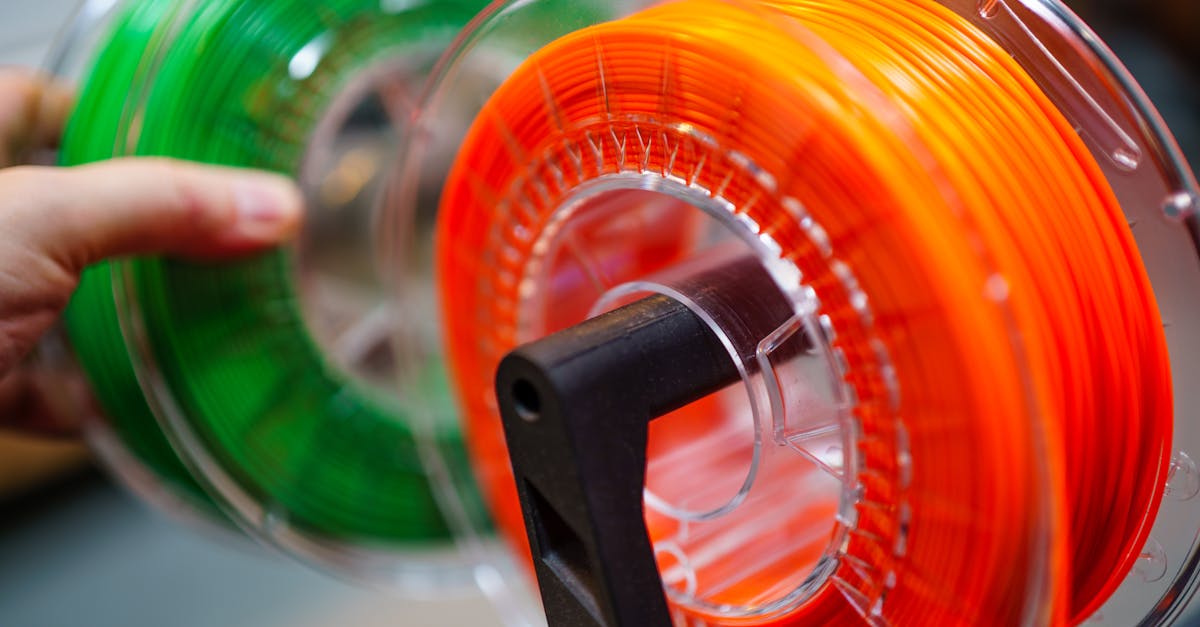
Photo by Jakub Zerdzicki on Pexels
Building Your Local Production Network
Geographic diversification strengthens supply chains. When your only supplier sits 8,000 miles away, a single port closure can halt your operations. Local 3D printing services provide a production buffer against global disruptions.
Charlotte businesses gain particular advantages from local partnerships. When we produce your parts here in North Carolina, you eliminate international shipping delays, customs complications, and timezone communication barriers. Need design iterations? Drive over and discuss them in person. Facing a production emergency? We can start printing within hours, not weeks.
Local production also supports sustainability goals. Producing parts near their point of use dramatically reduces transportation emissions. For businesses tracking their carbon footprint, switching from overseas suppliers to local 3D printing can meaningfully improve environmental metrics.
When 3D Printing Makes Sense for Supply Chain Backup
Not every part suits 3D printing, but many critical components do. The technology excels for:
Low to Medium Volume Parts
Production runs under 500 units often cost less with 3D printing than traditional manufacturing. Without tooling costs, you avoid the massive upfront investment of injection molding or die casting. This makes 3D printing ideal for spare parts, replacement components, and custom modifications.
Complex Geometries
Parts with internal channels, organic shapes, or consolidated assemblies often print more easily than they machine. If your critical components have complex geometries, 3D printing might be your only viable backup production method.
Rapid Design Changes
When specifications change frequently, 3D printing adapts instantly. Update the CAD file, and the next batch reflects your modifications. No retooling delays. No minimum order quantities for the old design. This flexibility proves invaluable during product development or when responding to field feedback.
Bridge Manufacturing
While waiting for traditional tooling, 3D printing keeps production moving. Many businesses use FDM printing to fulfill orders during the 8-12 week tooling lead time for injection molding. This bridge manufacturing prevents lost sales and maintains customer relationships during transitions.
Material Considerations for Supply Chain Applications
Material selection impacts both part performance and supply chain strategy. Understanding your options helps you identify which components suit 3D printing backup production.
PLA works well for non-critical components like assembly fixtures, visual prototypes, and indoor-use parts. Its ease of printing and dimensional accuracy make it ideal for quick-turn projects where ultimate durability isn’t required.
PETG provides enhanced durability for parts needing chemical resistance, moderate temperature resistance, and outdoor exposure capability. We run PETG daily for functional components that see real-world use.
ABS offers heat resistance up to about 100°C, making it suitable for automotive under-hood components, electronic housings, and industrial applications. While we print ABS periodically, it requires careful temperature control and ventilation.
For specialized applications, materials like ASA (UV resistance), Nylon (wear resistance), and TPU (flexibility) expand possibilities. We can access these materials when project requirements demand specific properties.
Risk Mitigation Strategies
Smart supply chain resilience requires proactive planning, not reactive scrambling. Consider these strategies:
Digital File Management
Organize and secure your CAD files like the valuable assets they are. Version control, access permissions, and regular backups protect your ability to produce parts on demand. Many businesses discover during emergencies that their part files are outdated, corrupted, or simply missing.
Validation Before Crisis
Don’t wait for supply chain disruption to test 3D printed alternatives. Validate critical components now, while traditional suppliers still deliver. This pre-qualification process identifies which parts suit 3D printing and which might need design modifications for optimal printing.
Relationship Building
Establish partnerships with local 3D printing services before you need emergency production. Understanding capabilities, lead times, and communication preferences during calm periods prevents frantic searching during disruptions. We work with several Charlotte-area manufacturers who maintain small recurring orders simply to keep the relationship active.
Cost-Benefit Analysis
Calculate the true cost of supply chain disruption, not just part prices. Factor in production delays, expedited shipping, customer dissatisfaction, and lost sales. Often, maintaining 3D printing capability for critical components costs far less than a single supply chain failure.
Real-World Supply Chain Applications
Manufacturing companies increasingly rely on 3D printed tooling and fixtures to maintain production when traditional suppliers fail. Custom jigs, assembly guides, and quality control gauges can be reproduced quickly from digital files.
Electronics manufacturers use 3D printing for enclosures and mounting brackets. When injection molded housings face delays, FDM printing provides functional alternatives that keep assembly lines moving.
Maintenance operations benefit from on-demand spare parts production. Instead of stocking rarely-needed components, facilities managers store digital files and print replacements as equipment fails. This approach particularly suits older equipment where OEM parts are discontinued.
Even packaging operations gain supply chain flexibility through 3D printing. Custom inserts, protective cradles, and shipping fixtures can be produced locally when overseas suppliers face disruptions.
Implementation Roadmap
Building 3D printing into your supply chain resilience strategy doesn’t require massive upfront investment. Start small and expand based on results:
-
Identify vulnerable components in your supply chain. Focus on parts with long lead times, single suppliers, or geographic concentration.
-
Assess 3D printing suitability for these components. Consider geometry, material requirements, and volume needs.
-
Create digital files for suitable parts. If CAD files don’t exist, our custom design services can reverse-engineer physical samples.
-
Test and validate printed parts against your quality standards. Document any design modifications needed for optimal printing.
-
Establish procurement procedures for emergency production. Know who to contact, how to submit orders, and what lead times to expect.
-
Regular review and updates keep your digital inventory current and your partnerships active.
The Competitive Advantage of Flexibility
Businesses with resilient supply chains don’t just survive disruptions - they capture market share from less-prepared competitors. When others scramble for alternatives, you’re already shipping products. This reliability builds customer loyalty and justifies premium pricing.
Supply chain resilience through 3D printing isn’t about replacing traditional manufacturing. It’s about creating options, reducing dependencies, and maintaining flexibility. The businesses thriving in today’s uncertain environment are those who invested in backup production capabilities before crisis struck.
Ready to Build Supply Chain Resilience?
Don’t wait for the next disruption to expose supply chain vulnerabilities. Start building your digital inventory and local production capabilities today. Our team helps Charlotte-area businesses identify critical components suitable for 3D printing backup production.
Contact us to discuss your supply chain resilience strategy and discover how local 3D printing services can protect your operations from global disruptions.
Related Resources
Related Articles
Waterproofing 3D Prints: Methods & Materials
Learn proven techniques to make FDM 3D printed parts waterproof for outdoor and liquid-contact applications.
3D Printing Validation Testing Guide
Master validation testing for 3D printed parts with dimensional checks, strength tests, and material verification methods.
Cost-Per-Part Calculator for 3D Printing
Master the hidden variables that determine your true 3D printing costs and make smarter sourcing decisions.