
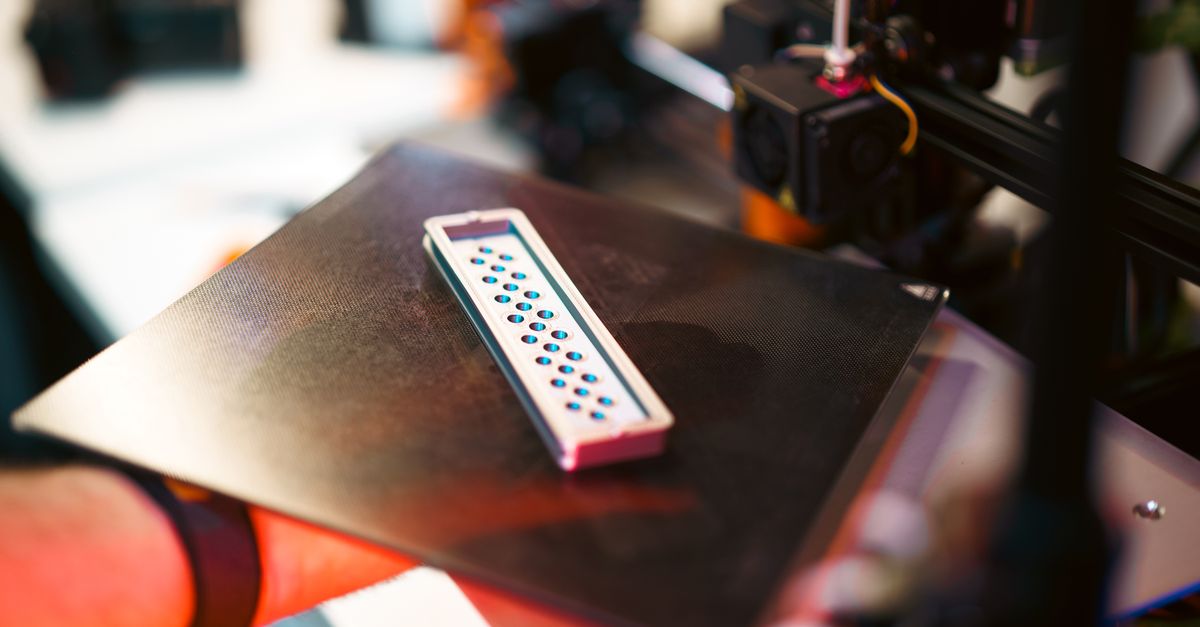
Photo by Jakub Zerdzicki on Pexels
Tooling Changeover Costs Kill Profits

Tooling Changeover Costs Kill Profits
Manufacturing teams know the pain: your product design changes, and suddenly you’re looking at thousands of dollars in tooling modifications. That aluminum fixture? Now it needs different mounting holes. The injection mold? Time for expensive EDM work. These changeover costs eat into margins and slow innovation to a crawl.
The hidden killer isn’t the initial tooling cost - it’s the modifications. When businesses calculate manufacturing expenses, they often focus on the upfront investment in fixtures, jigs, and molds. But in today’s fast-moving markets, designs evolve constantly. Each iteration means retooling expenses that compound over time.
Why Traditional Tooling Fights Against Innovation
Traditional manufacturing tooling creates a commitment trap. Once you’ve invested $10,000 in a machined aluminum fixture, every design tweak becomes a financial decision rather than an engineering one.
Lock-in happens fast. Teams start compromising on product improvements because the tooling modification costs outweigh the perceived benefits. “We’d love to add that feature, but it would require new fixturing” becomes a common refrain in design meetings.
The numbers tell the story. A typical CNC-machined fixture runs $2,000-5,000 for initial production. Need to move a mounting point by 10mm? That’s another $500-1,000 in shop time. Add three design iterations over a product’s lifecycle, and you’ve potentially doubled your tooling investment.
FDM Printing Changes the Math
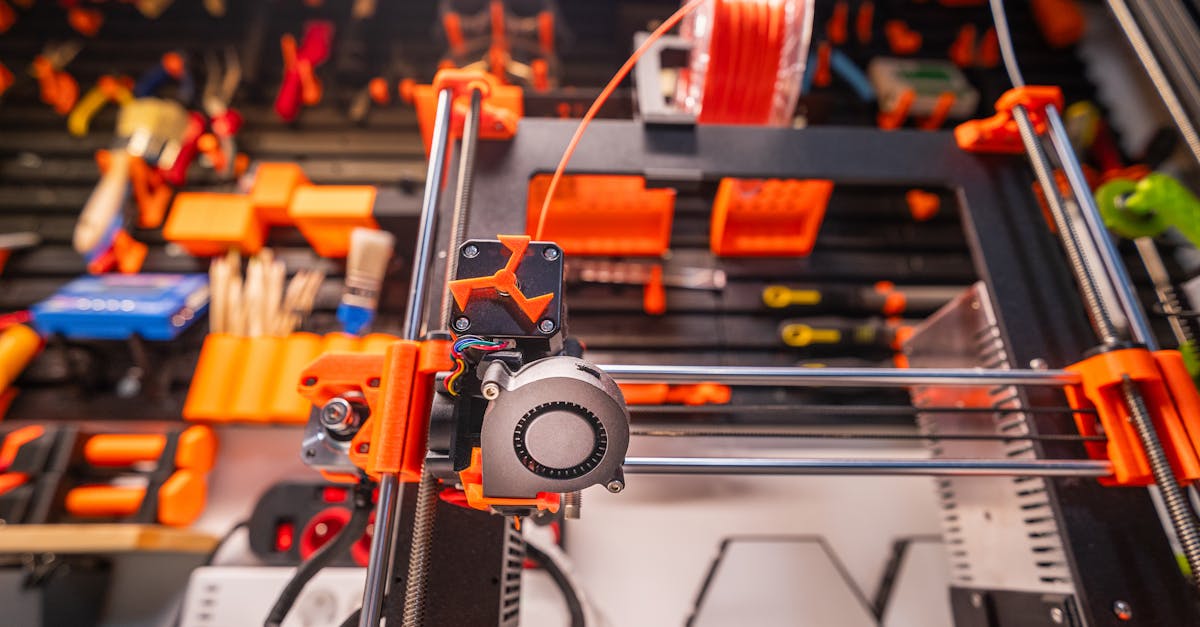
Here’s where additive manufacturing flips the script. A complex fixture that costs $3,000 to machine might print for $300-500 in PETG or ABS. But the real savings come during modifications.
Design changes become file updates, not shop orders. Moving those mounting holes? That’s 5 minutes in CAD and a new print job. No setup fees, no minimum order quantities, no two-week lead times while your production line sits idle.
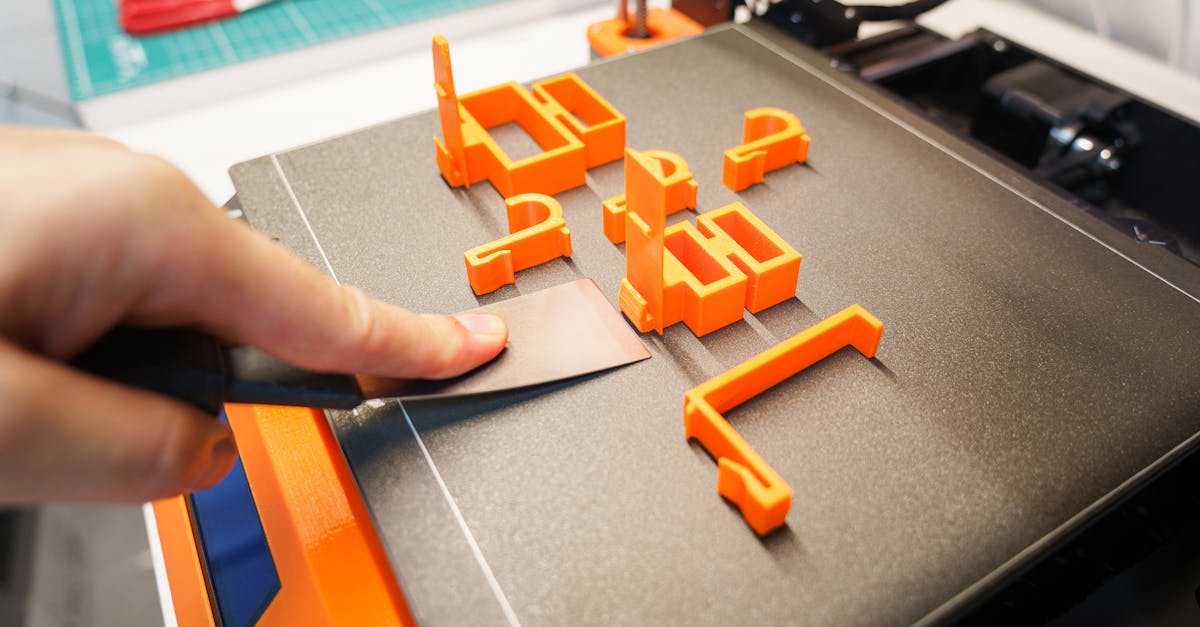
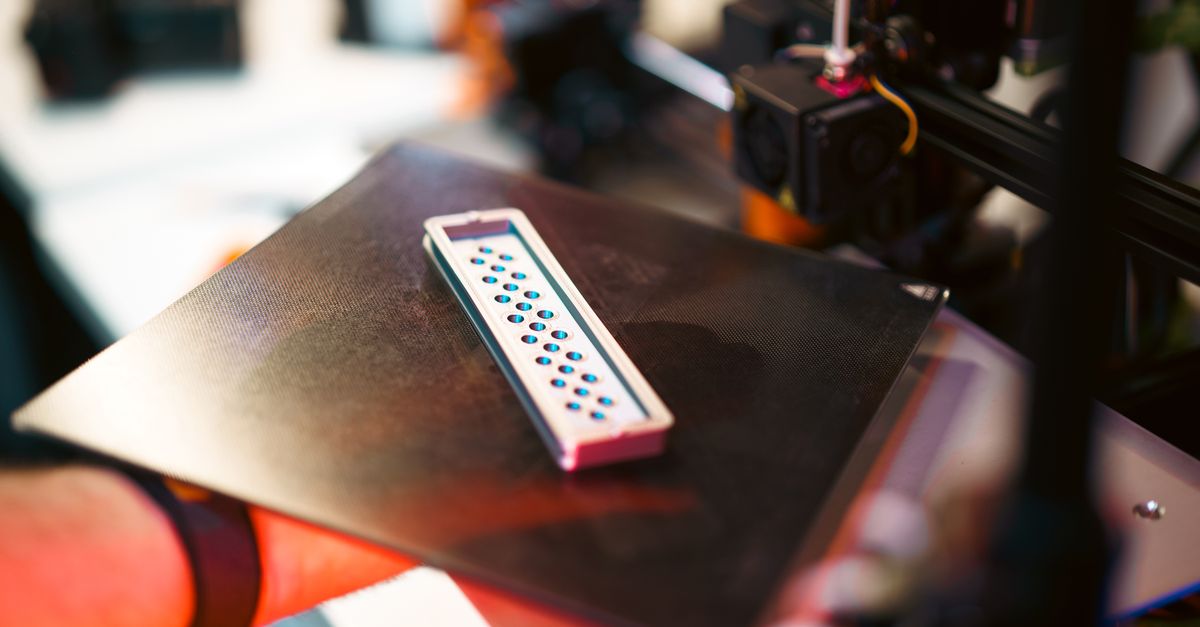
Photo by Jakub Zerdzicki on Pexels
Consider a typical scenario: a small manufacturer needs custom fixtures for their assembly line. The product undergoes quarterly updates based on customer feedback. With traditional tooling, each update means:
- Engineering time to create modification drawings
- Purchase orders for machine shop work
- 2-3 week turnaround minimum
- $1,000-3,000 per fixture modified
- Production downtime during changeover
With FDM-printed fixtures in engineering-grade materials:
- CAD file updates in hours
- Print new fixtures overnight
- $50-200 material cost per fixture
- Zero production downtime (print while current fixtures remain in use)
- Ability to test multiple variations simultaneously
Material Misconceptions Cost Money
“But plastic can’t replace metal tooling” remains a common objection. This thinking assumes all fixtures need the durability of forged steel. In reality, many manufacturing applications involve moderate loads and temperatures where engineered plastics excel.
PETG fixtures handle most assembly operations. With a glass transition temperature around 80°C and excellent chemical resistance, PETG works for fixtures, guides, and templates in normal factory environments. For higher-temperature applications near 100°C, ABS provides additional heat resistance.
The key is matching material to application. A fixture that sees 50 cycles per day doesn’t need the 500,000-cycle lifespan of machined steel. It needs to work reliably for 6-12 months until the next design iteration - exactly where FDM shines.
Design Freedom Accelerates Innovation
When tooling modifications cost pennies on the dollar, engineering teams think differently. Instead of defensive design (avoiding changes), they pursue offensive innovation (rapid iteration).
Complex geometries become affordable. Traditional subtractive manufacturing charges premium prices for complexity. Every curve, undercut, and internal channel adds machining time and cost. FDM printing doesn’t care - complexity is free. This enables:
- Integrated cable management channels
- Optimized ergonomic surfaces
- Part-holding features that perfectly match product contours
- Built-in measurement references and go/no-go gauges
- Modular assemblies that reconfigure for product variants
Manufacturing engineers can finally design the fixtures they actually want, not the ones they can afford to machine.
Implementation Without Disruption
The transition doesn’t require wholesale replacement of existing tooling. Smart manufacturers use a hybrid approach:
Start with consumable tooling. Identify fixtures that wear out, break, or need frequent modifications. These become FDM candidates first. As comfort with printed tooling grows, expand into more critical applications.
Common starting points include:
- Assembly guides and templates
- Inspection fixtures for quality control
- Protective covers and guards
- Organization trays and holders
- Test fixtures for R&D
Each successful application builds confidence and captures cost data. Within months, teams often find 30-50% of their custom tooling converts to FDM printing without compromising production quality.
Real Numbers Drive Decisions
Let’s break down a typical small-batch manufacturer’s tooling costs over 24 months:
Traditional approach:
- Initial fixture set (5 pieces): $15,000
- First design iteration: $3,000
- Second iteration: $3,000
- Third iteration: $3,000
- Emergency replacements: $2,000
- Total: $26,000
FDM printing approach:
- Initial fixture set (5 pieces): $2,000
- First design iteration: $400
- Second iteration: $400
- Third iteration: $400
- Emergency replacements: $300
- Total: $3,500
That’s $22,500 in savings - enough to fund significant product improvements. And these calculations assume conservative modification needs. Businesses pursuing rapid innovation might see 5-10 design iterations annually.
The Strategic Advantage
Beyond pure cost savings, reduced tooling changeover expenses create competitive advantages:
Faster market response. When customer feedback arrives, teams can implement changes in days rather than months. This agility matters in competitive markets where first-mover advantage determines market share.
Risk reduction. Lower modification costs mean lower risk for experimental features. Teams can try bold ideas knowing that reverting changes won’t break the budget.
Sustainable operations. Instead of scrapping obsolete metal tooling, businesses simply stop printing outdated designs. The raw material (filament) stores indefinitely and works across multiple applications.
Making the Transition
Success requires more than just access to FDM printing. Consider these factors:
Design for additive. Fixtures designed for CNC machining rarely optimize for FDM printing. Work with partners who understand both technologies and can redesign for additive manufacturing advantages.
Material expertise matters. Not all PETGs print the same. Layer adhesion, dimensional stability, and surface finish vary between manufacturers and even individual batches. Partner with services that understand material science.
Validation protocols. Establish testing procedures for printed fixtures before production use. This might include dimensional verification, load testing, and trial runs with actual parts.
The businesses winning in modern manufacturing aren’t necessarily the ones with the biggest tooling budgets. They’re the ones who iterate fastest, respond to market changes, and eliminate unnecessary costs. When tooling modifications no longer kill budgets, innovation accelerates.
Ready to Cut Your Tooling Costs?
Stop letting expensive changeovers limit your product development. Our FDM printing services help Charlotte-area manufacturers slash tooling modification costs while maintaining production quality. Whether you need one-off fixtures or recurring production tooling, we deliver engineering-grade parts that perform.
Get a quote for your custom tooling - upload your CAD files or describe your application, and we’ll show you how much you can save.
Related Resources
Related Articles
Waterproofing 3D Prints: Methods & Materials
Learn proven techniques to make FDM 3D printed parts waterproof for outdoor and liquid-contact applications.
3D Printing Validation Testing Guide
Master validation testing for 3D printed parts with dimensional checks, strength tests, and material verification methods.
Cost-Per-Part Calculator for 3D Printing
Master the hidden variables that determine your true 3D printing costs and make smarter sourcing decisions.