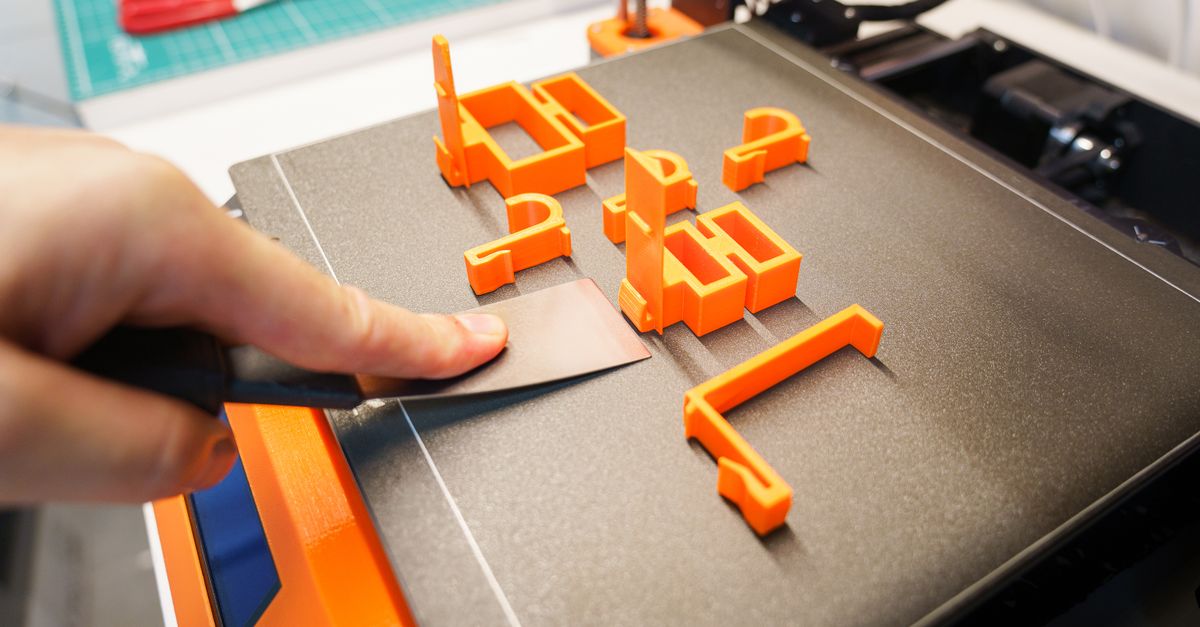
Photo by Jakub Zerdzicki on Pexels
3D Printing in Food Manufacturing

The food manufacturing industry faces unique challenges: strict hygiene requirements, frequent product changes, and the need for custom tooling that traditional suppliers take weeks to deliver. 3D printing transforms how food manufacturers approach these challenges, from prototype packaging to production line fixtures.
Why Food Manufacturers Turn to 3D Printing
Speed kills downtime. When a filling nozzle breaks or you need a new guide for a different package size, waiting 4-6 weeks for traditional tooling isn’t an option. FDM 3D printing delivers functional parts in days, not weeks. Food-safe materials like PETG withstand repeated washing and common food processing temperatures.
The economics make sense too. A custom gripper jaw that costs $800 from traditional machining might run $150-250 when 3D printed. For low-volume specialty products or seasonal items, these savings add up fast.
Food-Safe Materials and Applications
Not every 3D printing material belongs in a food facility. We primarily recommend PETG for food manufacturing applications - it’s chemical resistant, handles temperatures up to 80°C, and doesn’t absorb moisture like PLA. For non-contact applications like machine guards or organizational fixtures, PLA works well and costs less.
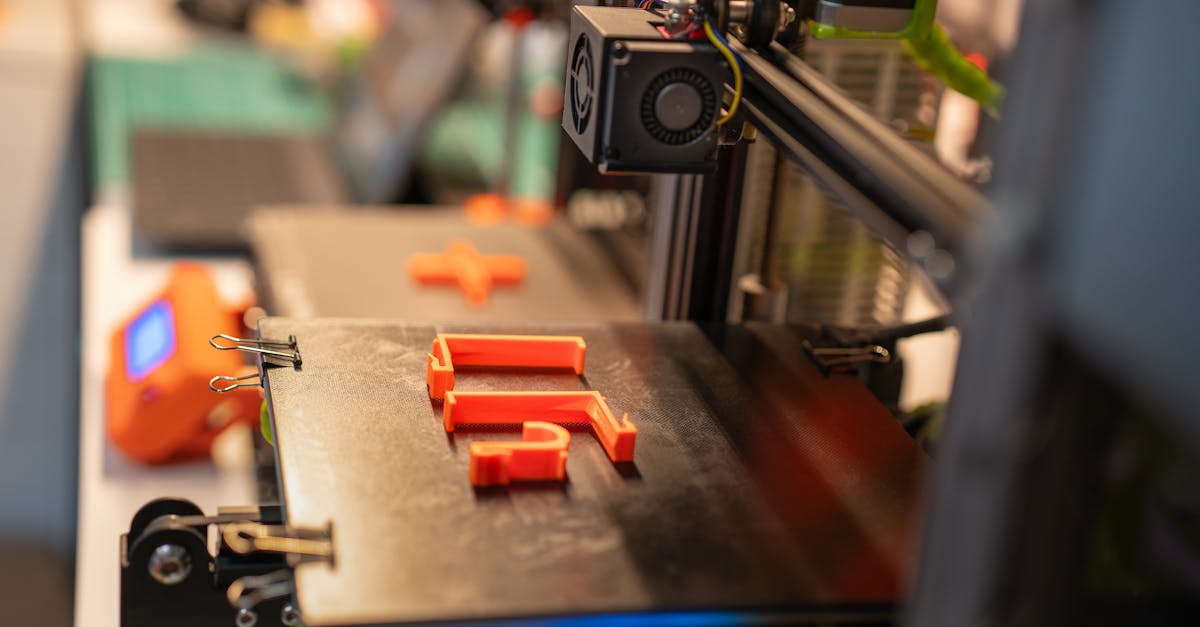
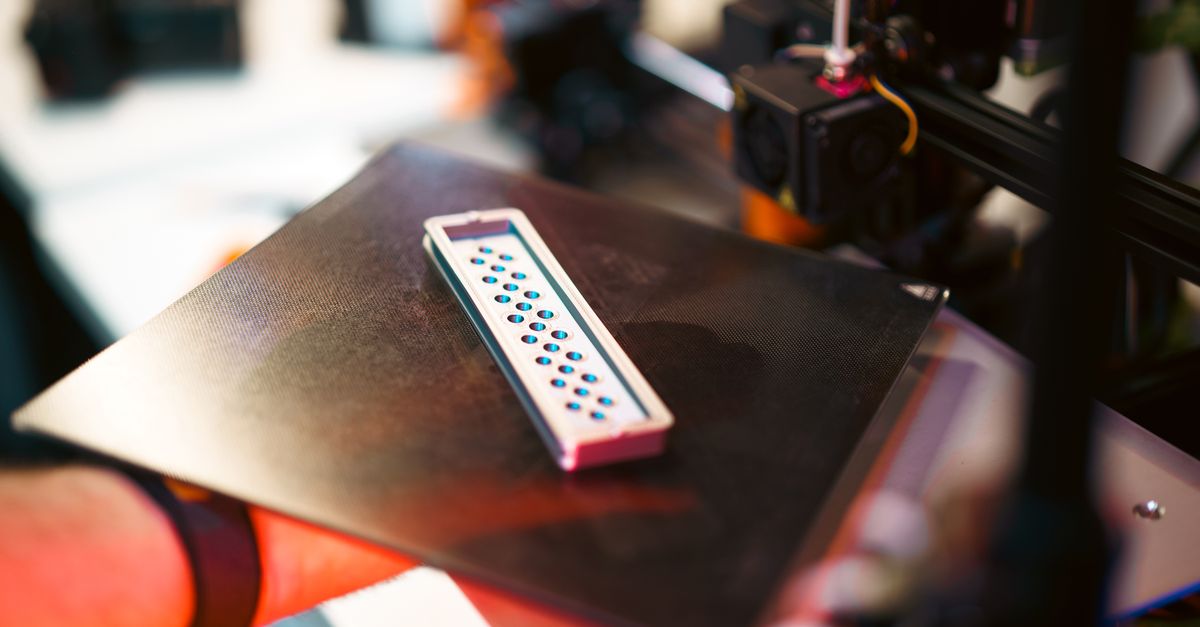
Photo by Jakub Zerdzicki on Pexels
Common applications include:
- Custom filling nozzles and dispensing tips
- Package forming dies for test batches
- Conveyor guides and product alignment fixtures
- Gripper jaws for pick-and-place systems
- Prototype molds for chocolate, candy, or baked goods
- Storage and organization systems for tools
- Machine guards and safety equipment
Design Considerations for Food Processing
Surface finish matters in food applications. Unlike aerospace parts where strength dominates, food manufacturing parts need smooth surfaces that resist bacterial growth and clean easily. Layer heights of 0.2mm or finer create smoother surfaces, though post-processing might be necessary for direct food contact applications.
Consider these design principles:
- Avoid sharp internal corners where debris accumulates
- Design for drainage - no pockets that trap water
- Build in mounting features that eliminate crevices
- Use thicker walls (2-3mm minimum) for durability during repeated cleaning
- Account for thermal expansion if parts see temperature swings
Regulatory Compliance and Best Practices
FDA compliance isn’t automatic. While PETG and certain other plastics meet FDA requirements for food contact, the 3D printing process introduces variables. Surface porosity from layer lines can harbor bacteria if not properly sealed. Most manufacturers use 3D printed parts for indirect contact - handling packaged products, guiding containers, or forming packaging.
For direct food contact applications, consider:
- Post-processing with food-safe epoxy coatings
- Vapor smoothing to reduce surface porosity
- Using 3D printed parts to create silicone molds
- Limiting use to dry goods or short-term contact
- Implementing regular replacement schedules
Cost Analysis: 3D Printing vs Traditional Methods
A mid-size bakery needed custom depositor nozzles for a seasonal cookie line. Traditional machining quoted $600 per nozzle with 3-week lead time. The 3D printed PETG versions cost approximately $85 each and arrived in 4 days. Even accounting for slightly shorter lifespan, the math favored 3D printing for this 12-week production run.
The real savings come from iteration. Food products evolve constantly. Package sizes change, filling volumes adjust, production lines reconfigure. With 3D printing, modifying a design and getting new parts takes days instead of months. This agility enables faster product launches and more experimentation.
Implementation Strategies for Food Facilities
Start small with non-critical, non-contact applications. Organizational fixtures, tool holders, and guard modifications prove the technology without regulatory concerns. As comfort grows, move to product handling fixtures and indirect contact applications.
Phase 1: Non-Contact Applications
- Tool organization systems
- Maintenance fixtures
- Safety guards and shields
- Signage and labeling holders
Phase 2: Indirect Contact
- Conveyor guides
- Package handling fixtures
- Gripper modifications
- Alignment tools
Phase 3: Limited Direct Contact
- Prototype molds
- Short-run forming dies
- Test dispensing nozzles
- Cookie cutters and shapers
Future Trends in Food Manufacturing
Digital inventory changes everything. Instead of warehousing spare parts for every product variation, manufacturers store digital files. Need a nozzle for that limited-edition flavor from 2019? Print it on demand. This shift particularly benefits facilities making diverse product lines or frequent changeovers.
Hybrid approaches gain traction too. Use 3D printed molds to cast food-grade silicone parts. Print the complex geometry, create the mold, then cast final parts in certified materials. This combines 3D printing’s design freedom with traditional materials’ proven safety.
Getting Started with 3D Printed Food Manufacturing Tools
Success requires understanding both 3D printing capabilities and food safety requirements. Work with experienced service providers who understand material properties, design requirements, and can guide material selection. Our rapid prototyping services help food manufacturers test concepts quickly before committing to production tooling.
For complex geometries or when you lack CAD files, our custom design services translate your requirements into printable files. We’ve helped businesses create everything from custom fixtures to specialized small-batch production components.
Transform your food manufacturing efficiency with 3D printed tooling. From prototype packaging tests to production line fixtures, additive manufacturing delivers the speed and flexibility modern food production demands. Start your custom project today and discover how 3D printing revolutionizes food manufacturing operations.
Related Resources:
Related Articles
Waterproofing 3D Prints: Methods & Materials
Learn proven techniques to make FDM 3D printed parts waterproof for outdoor and liquid-contact applications.
3D Printing Validation Testing Guide
Master validation testing for 3D printed parts with dimensional checks, strength tests, and material verification methods.
Cost-Per-Part Calculator for 3D Printing
Master the hidden variables that determine your true 3D printing costs and make smarter sourcing decisions.