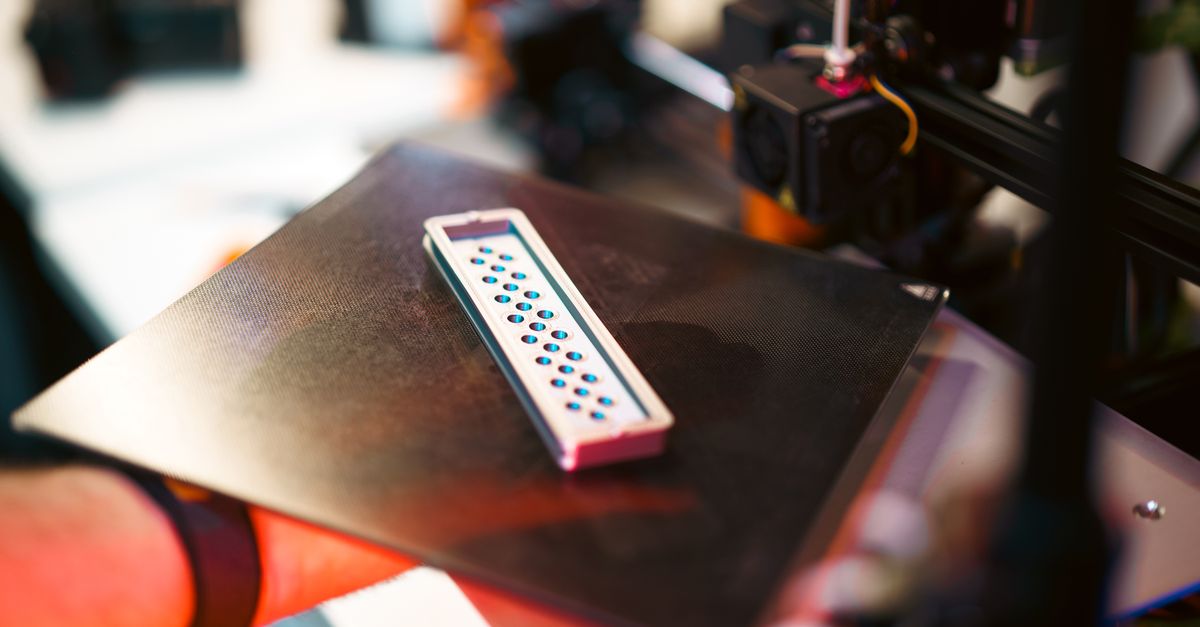
Photo by Jakub Zerdzicki on Pexels
What Automaker 3D Printing Means for Small Shops

Recent business coverage has described major automakers, including Rivian and Ford, leaning harder on 3D printing to lower costs and move faster. The phrase that keeps showing up is “democratizing” the technology, meaning pushing it out of a specialist lab and into the hands of the engineers and line teams who need parts today. For smaller manufacturers in the Charlotte region, automaker 3D printing is more than a headline. It is a roadmap, and most of it scales down surprisingly well.
We are not going to speculate about any one company’s internal programs. What we can do is explain the general patterns behind this trend, why they work, and how a shop with 15 employees can apply them without a seven-figure equipment budget.
What Are Automakers Actually Using 3D Printing For?
Prototypes are the obvious answer, but not the biggest one. Fit checks, packaging studies, and design reviews were the original use case, and they still matter. If you want the basics on that workflow, our rapid prototyping service covers how quickly a design can go from CAD to a physical part in hand.
Tooling, jigs, and fixtures are where the money tends to be. A vehicle assembly line is full of holders, gauges, locating nests, alignment guides, and protective covers that are used by the hundreds but never appear in the finished product. Traditionally these are machined or fabricated, which means waiting weeks and paying for setup. Printing them in-house or through a local partner changes the economics. We cover this in depth in our posts on fixtures and jigs for manufacturing teams and end-of-arm tooling for robot cells.
Low-volume and end-use parts fill the gaps. Specialty trims, brackets, covers, and service parts that would never justify an injection mold can be printed on demand. The lower the volume, the stronger the case.
Why Does This Matter for a Small or Mid-Size Manufacturer?
The underlying math does not depend on company size. Large manufacturers adopt 3D printing for tooling because the cost of a printed part is mostly material and machine time, not setup. A fixture that costs a few dollars in filament and a few hours of print time competes well against a machined aluminum equivalent when you only need one, five, or twenty. That logic works the same way for a 10-person machine shop in Mooresville as it does for a global assembly plant.
Speed compounds. When an engineer can request a fixture on Monday and test it on Wednesday, design iterations that used to take a month take a week. Smaller teams often feel this more, because they have fewer people to absorb a stalled project. Our post on tooling changeover costs explains how delays in tooling quietly eat into margins.
The barrier to entry has dropped. Reliable FDM printing no longer requires an industrial-grade budget or a dedicated technician. You can also skip owning equipment entirely and work with a local service. If you are weighing those options, our build vs buy decision guide lays out the tradeoffs.
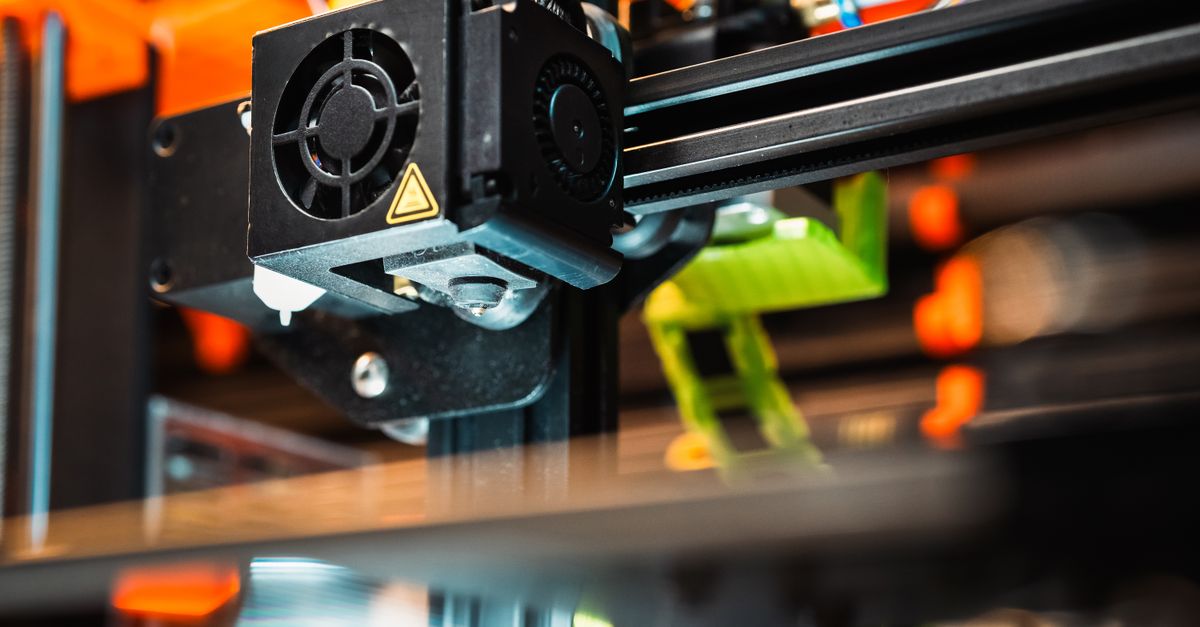
Photo by Jakub Zerdzicki on Pexels
Which Lessons From Automakers Transfer Directly?
Start with tooling, not finished products
The most common mistake when companies adopt 3D printing is starting with the most glamorous part, a customer-facing product, rather than the most practical one. Tooling is lower risk. If a printed fixture fails, you reprint it. If it works, you save time on every unit that follows. Our manufacturing tooling and fixtures service is built around this idea, and the numbers behind it are in our ROI of 3D-printed manufacturing tooling post.
Design for the process
Printed parts should not be copies of machined parts. A few principles that transfer well:
- Consolidate where you can. A fixture that used to be five machined pieces and eight fasteners can often be one printed part.
- Add features that machining makes expensive. Internal channels, ergonomic grips, integrated labels, and lightweight lattice structures cost little extra in FDM.
- Use heat-set inserts for threads. Printed threads wear out quickly under repeated use. Brass inserts give you durable, reusable threads, as covered in our heat-set inserts guide.
Treat the file as the inventory
Automakers value being able to reprint a part anywhere, any time. At a smaller scale, that means keeping clean, versioned CAD files for every fixture and spare part, so a replacement is a reorder instead of a redesign. Our posts on digital files vs physical stock and version control for print files go into the practical habits.
What Does Not Transfer?
Honest expectations matter here. Some parts of the automaker playbook rely on resources that small shops do not need and should not chase.
Metal additive manufacturing is a different world. What we offer is FDM, which means plastics. For structural, load-bearing, or high-temperature metal applications, FDM is not a substitute. If you are weighing a metal part against a plastic one, our metal-to-plastic conversion guide can help you decide whether conversion makes sense.
Material choice still has limits. Typical glass transition temperatures give a rough idea of the ceiling:
- PLA softens around 55 to 60 C, which is fine for most room-temperature fixtures and checking gauges.
- PETG holds up to roughly 70 to 80 C and handles moisture and many chemicals better.
- ABS is a step up in heat resistance, around 95 to 105 C, which matters near engines or ovens.
PLA and PETG are what we run day to day, and ABS comes up periodically. We can also print in ASA, nylon, TPU, and carbon fiber composites when an application calls for them. Our materials comparison is a good starting point for matching material to environment.
Tolerances need to be designed in. FDM parts commonly hold around plus or minus 0.2 mm on well-tuned features, and critical interfaces may need post-processing or a machined insert. See what to expect from 3D printing tolerances before finalizing a precision fit.
How Can a Smaller Operation Get Started?
You do not need a company-wide initiative. A simple 30-day approach looks like this:
- Walk your floor and list candidates. Look for custom holders, shop-made gauges, protective covers, and anything currently waiting on a machine shop quote. Aim for five to ten.
- Rank by pain. Which items cause the most downtime, scrap, or rework? Start there.
- Print a first version in PLA or PETG. A 0.2 mm layer height with three to four walls and 20 to 40 percent infill is a reasonable starting point for most fixtures. It prints quickly and is strong enough for most hand-use tooling.
- Test it in real conditions. Put it on the line, in the cell, or on the bench for a few days. Note where it flexes, wears, or does not fit.
- Revise and lock the design. Once a fixture works, save the file, record the material and settings, and reorder as needed. If the part needs to be made in quantity, our small-batch production service handles runs from a handful to several hundred units.
If you do not have CAD files for what you need, our custom design services can model parts from sketches, measurements, or samples.
A Note for Charlotte-Area Automotive Businesses
The Charlotte region has a deep bench of motorsports shops, restoration specialists, and supplier-level manufacturers along the I-77 and I-85 corridors, from Mooresville and Lake Norman to Concord. Businesses like these often have the same needs as large automakers, just at a smaller scale: quick fixtures, one-off brackets, discontinued parts, and prototypes. Our automotive and classic car restoration service is built for that kind of low-volume, high-variety work, and a local partner means you can walk a sample over instead of mailing it across the country.
The Takeaway
The big story behind automaker 3D printing is not that large companies bought bigger machines. It is that they moved printing closer to the problem, so engineers can solve small tooling and part issues without waiting. That idea works at any size. Start with tooling, design for the process, keep your files organized, and be realistic about materials. The shops that do this tend to find that the technology quietly pays for itself in saved time.
Talk to Us About Your Tooling and Parts
If you have a list of fixtures, brackets, or prototype parts that are slow or expensive to source, send it our way. We will help you figure out which are good candidates for FDM and which are not. Start a custom order and tell us what you are working on.
Related Reading
Related Articles
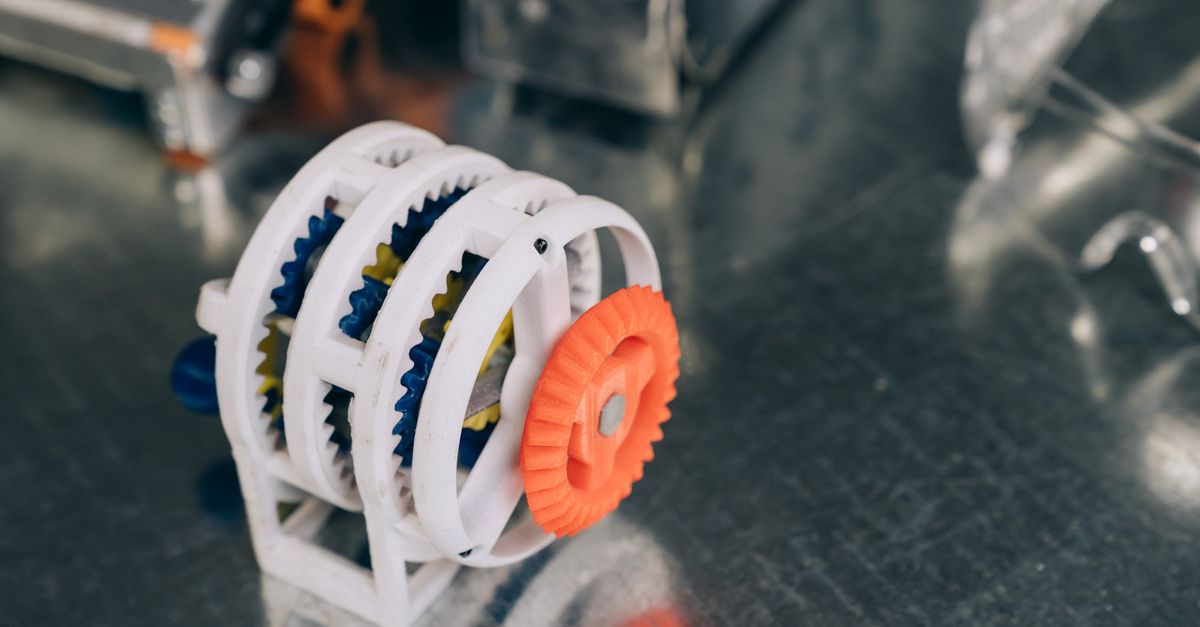
3D Printed Gears and Wear Parts That Last
3D printed gears can work well in the right applications. Learn which materials, tooth designs, and print settings help FDM gears and wear parts hold up.
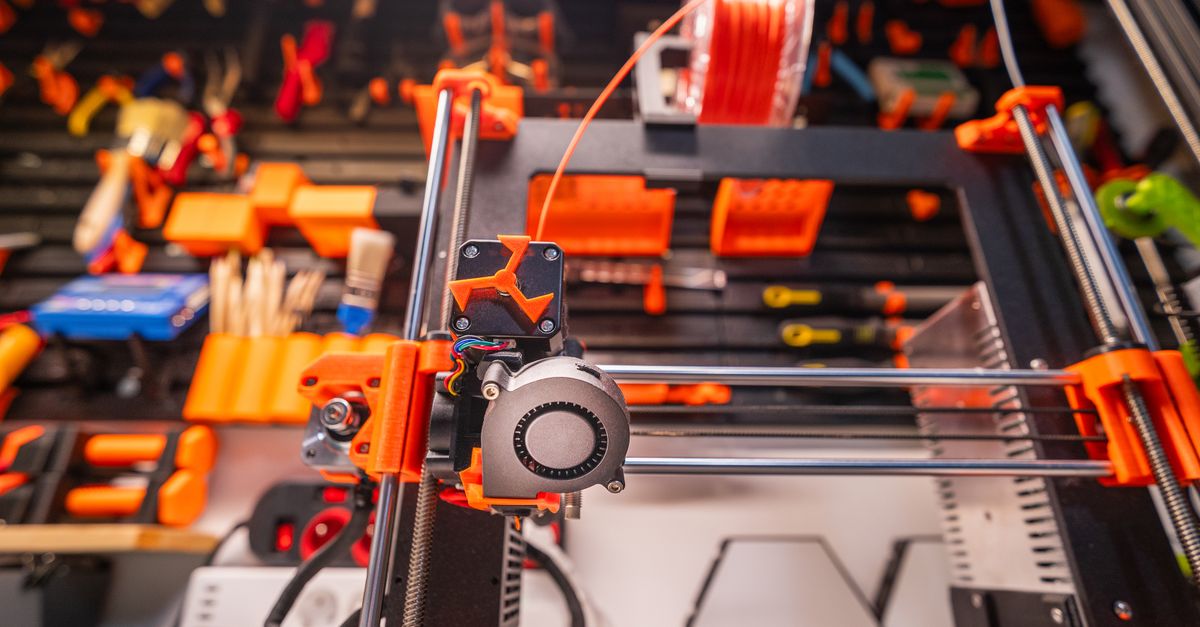
What Drives 3D Printing Lead Times
3D printing lead times depend on more than print time. Learn what drives your schedule and how to shorten it on your next prototype or production run.
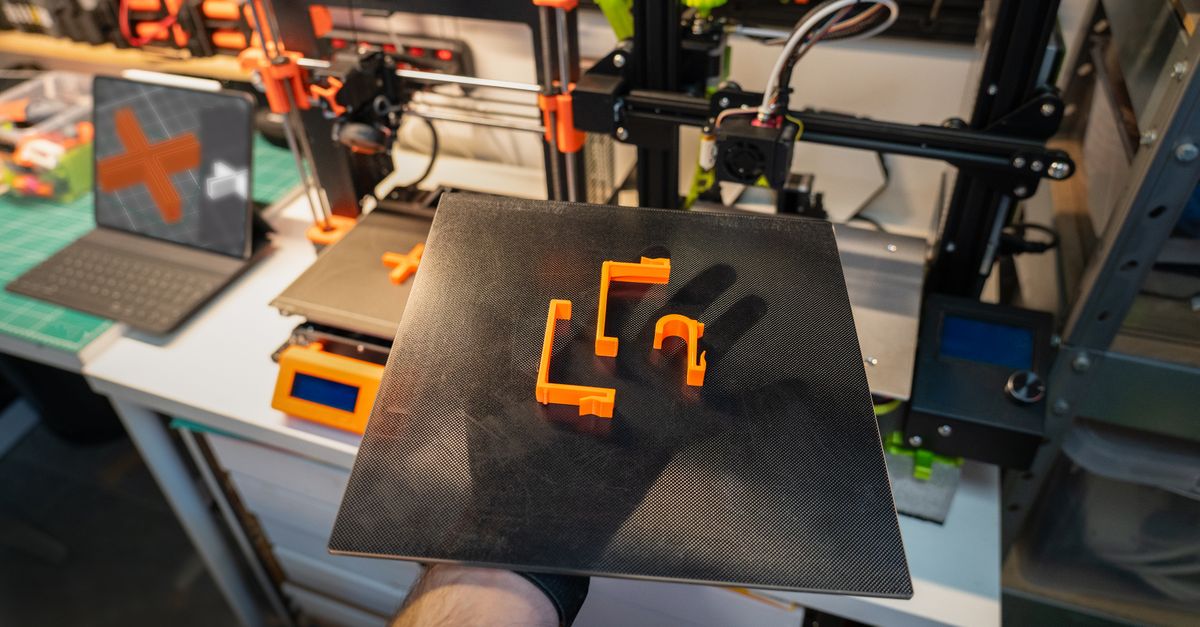
Splitting Large Parts for FDM Printing
Large 3D printed parts don't have to fit the build plate. Learn how to split, join, and finish oversized designs without losing strength or appearance.