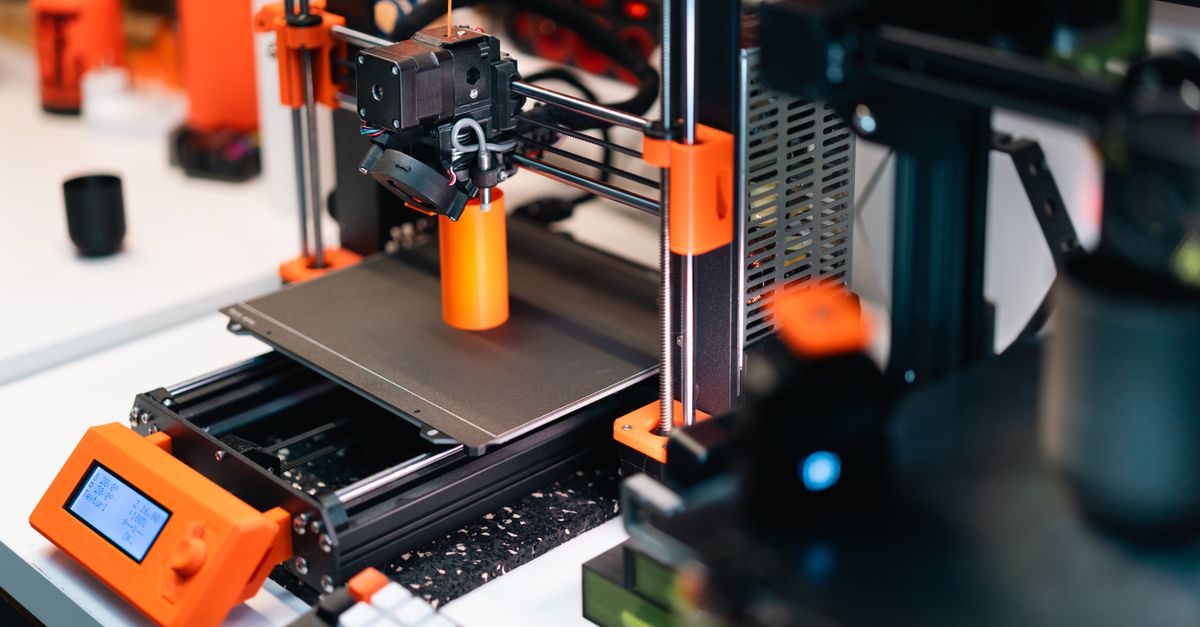
Photo by Jakub Zerdzicki on Pexels
3D Printed Shop Floor Organizers for 5S

Most shops know what a well-organized floor should look like. The hard part is that off-the-shelf organizers rarely fit the tools, gauges, and fasteners you actually use. 3D printed shop floor organizers close that gap. Because every holder, divider, and label mount is made to the exact geometry of the item it holds, 5S stops being a one-time cleanup and becomes a system people can maintain.
This post covers what is worth printing, which materials hold up in a working environment, and the design details that separate a holder that gets used from one that ends up in the scrap bin.
What Is 5S and Where Does 3D Printing Fit?
5S is a workplace organization method that came out of Japanese manufacturing: Sort, Set in Order, Shine, Standardize, and Sustain. The first three steps are about removing clutter, giving every item a defined home, and keeping the area clean. The last two are about making that state repeatable.
Set in Order is where printing pays off. A defined home for an item only works if the home is easy to use and obviously correct. A generic bin for a mixed pile of hex keys fails that test. A holder with a labeled pocket for each key passes it, because a missing tool is visible at a glance.
Standardize needs physical consistency. If five workstations are supposed to share the same layout, they need the same hardware. A printed design can be reproduced identically across stations, shifts, and even multiple facilities. When a holder breaks or walks away, you reprint it rather than hunting for a discontinued product.
Sustain depends on low friction. People follow a system when following it is the easiest option. Organizers shaped to the task, sized for gloved hands, and mounted where the work happens are far more likely to be used than something that was convenient to buy.
What Can You 3D Print for Shop Floor Organization?
The range is wider than most people expect. These are the categories that tend to deliver the most value.
Tool Holders and Shadow Boards
A shadow board shows the outline of each tool so a missing one is obvious. Printed versions go a step further by physically cradling each tool. Pliers, calipers, torque wrenches, deburring tools, and specialty hand tools can each get a custom cradle. Mount the cradles to a pegboard, slatwall, or a rigid back panel, and you have a board built around your tools instead of the other way around.
Bin Dividers and Drawer Inserts
Fasteners, inserts, and small components are the classic source of clutter. Printed dividers and drawer inserts can be sized to your existing cabinets and drawers, with pockets matched to the parts they hold. Modular grid systems, such as the open-source Gridfinity standard built on a 42 mm grid, are popular because bins and baseplates interlock and can be rearranged without tools. We can print to that kind of standard or design something specific to your cabinets.
Gauge, Fixture, and Inspection Tool Storage
Go/no-go gauges, pin gauges, and small inspection tools need protected storage so they are not damaged or mixed up. A printed holder can keep each one in a labeled, fitted pocket. Pair that with the practices in our guide to fixtures and jigs for manufacturing teams and the same design approach covers both the tools that hold parts and the tools that check them.
Label Holders, Signage Mounts, and Floor Markers
Label holders that snap onto shelves or bins, sign mounts, lockout/tagout hangers, and workstation ID plates are simple prints that make a big visual difference. Printing them in an area color code (for example, blue for assembly, orange for shipping) makes it obvious when something is in the wrong place.
Cable, Hose, and Accessory Management
Hooks, cable guides, hose hangers, and clips keep cords and lines off the floor, which supports both the Shine step and basic safety. These are typically quick, low-cost prints that can be tuned to the diameter of the line being managed.
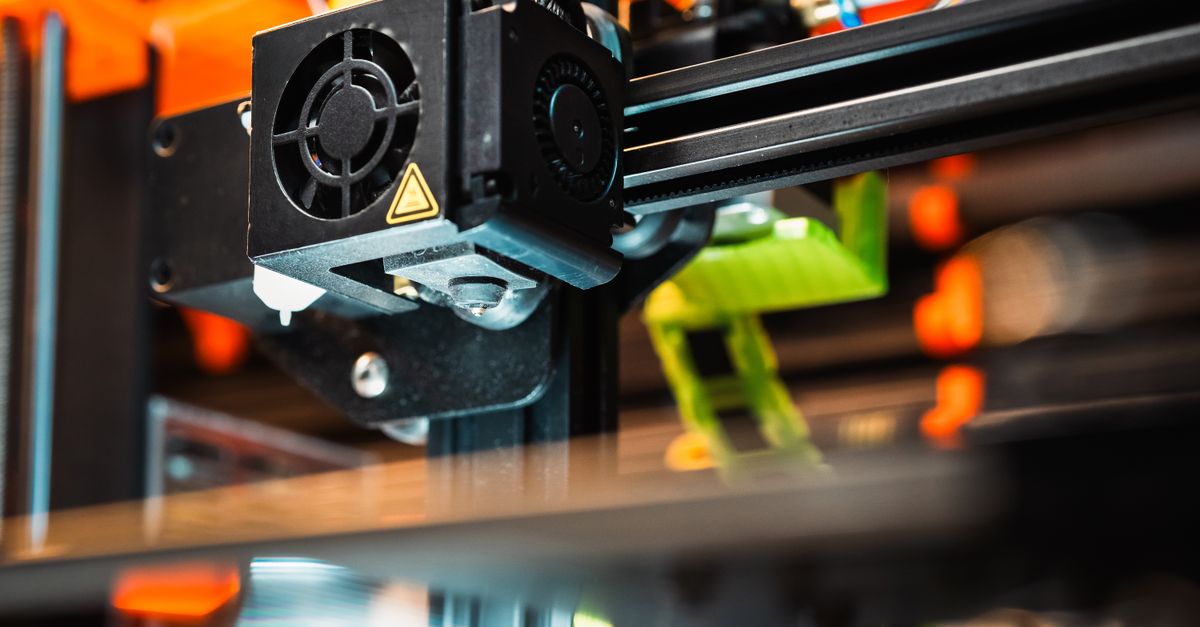
Photo by Jakub Zerdzicki on Pexels
Which Materials Work for Shop Floor Organizers?
Shop environments are tougher than an office shelf, so material choice matters. We print primarily in PLA and PETG, and those two cover the large majority of organizers.
PLA for dry, climate-controlled areas. PLA is stiff, prints with crisp detail, and comes in a wide range of colors, which makes it a good fit for label holders, drawer inserts, and bin dividers. Its limitation is heat. PLA starts to soften at roughly 55 to 60 C, so it is a poor choice for anything near a heat source or in a vehicle or uninsulated space that gets hot in a Carolina summer.
PETG for toughness and moisture. PETG softens at a higher temperature, around 75 to 80 C, and it is more impact resistant and less brittle than PLA. That makes it a better pick for tool cradles, wall-mounted holders, and anything that will be handled roughly or exposed to humidity. It also tolerates many common shop fluids better than PLA, though you should always test in your specific coolant or solvent. Our article on chemical resistance of 3D printed plastics is a good starting point for that check.
Other materials for special cases. For higher heat or outdoor exposure, we can print in ABS or ASA. For flexible grips, bumpers, or soft-lined tool pockets, TPU is an option. These are capabilities we can offer when a job calls for them, but most organizers do not need them. For a side-by-side look at the core options, see our PLA vs PETG vs ABS comparison.
How Do You Design Organizers That Actually Get Used?
A few design decisions make most of the difference.
Add clearance to tool pockets. FDM parts are accurate but not perfect, so a pocket modeled at the exact tool dimension will be too tight. A clearance of roughly 0.3 to 0.5 mm per side is a common starting point for a snug but easy fit. Add more for gloved use or tools that get dirty. Our post on 3D printing tolerances explains what to expect from FDM dimensional accuracy.
Design for one-handed use. The best holder lets a worker remove and replace a tool with one hand. Open fronts, finger scoops, and angled cradles help. If a tool requires two hands to put back, it will end up on the bench.
Use enough wall for the load. For wall-mounted holders carrying heavy tools, three to four perimeters (roughly 1.2 to 1.6 mm of wall at a 0.4 mm nozzle) with moderate infill of 15 to 25 percent is a reasonable baseline. Heavy tools may call for thicker walls and denser infill. The relationship between walls and infill is covered in our article on infill vs walls.
Plan the mounting method early. Pegboard hooks, screw holes, French cleats, and magnets all work, but each has implications for the design. Magnets can be pressed into pockets during the print for tool-free repositioning on steel surfaces, as described in our guide to embedding magnets and hardware in 3D prints. For screw-mounted holders that will be removed and reinstalled, heat-set inserts give far more durable threads than screwing into bare plastic.
Account for the build volume. Large shadow boards and long rails will not fit on a single print bed. Splitting the design into interlocking sections keeps each piece strong and accurate. We walk through that approach in splitting large parts for FDM printing.
Color-code on purpose. Assign colors to areas, tool types, or shifts and stick to the system. If you are rolling out matching organizers across many stations, color consistency across a production run becomes important, which we cover in color consistency in batch 3D printing.
When Does It Make Sense to Print Instead of Buy?
Printing is not always the right answer. Standard bins, pegboard hooks, and generic drawer liners are inexpensive and available immediately. Buy those.
Printing makes sense when:
- The item is specific to your tools or parts. If no commercial product fits, a custom design is the only way to get a true fitted pocket.
- You need the same layout in multiple places. A repeatable file lets you outfit several stations identically. For quantities in the tens or hundreds, our small-batch production service handles repeat runs.
- Your tooling changes. When a tool, gauge, or part is revised, a holder can be updated in the CAD file and reprinted, rather than being replaced with a new off-the-shelf purchase.
- You want to iterate. Organizers are easy to test. Print one, try it for a week, adjust the design, and then roll out the final version. That kind of quick iteration is the same principle behind rapid prototyping.
Consider a shop that wants to standardize tool storage across six assembly stations. Each station uses the same ten hand tools, a set of gauges, and a few bins of fasteners. A single validated design, printed six times in the area color for each station, gives every operator the same layout and makes any missing item obvious. When one tool changes, one file changes.
Getting Started
If you are planning a 5S rollout or a workstation redesign, start with a simple audit: list the items that most often go missing or end up in the wrong place, and note how each one is currently stored. Those are the best candidates for custom organizers. Photographs, rough dimensions, or the actual tools are usually enough for us to design from, and our manufacturing tooling and fixtures team can handle the whole process. If you do not have CAD files, our custom design services can model the holders from your tools or measurements.
Ready to Organize Your Shop Floor?
Whether you need a single custom tool cradle or matching organizers for a full production line, we can design and print them in PLA or PETG and ship anywhere in the country, with local pickup and delivery along the I-77 and I-85 corridors. Send us your tools, measurements, or a rough sketch and we will help you turn them into a system that sticks.
Related Reading
Related Articles
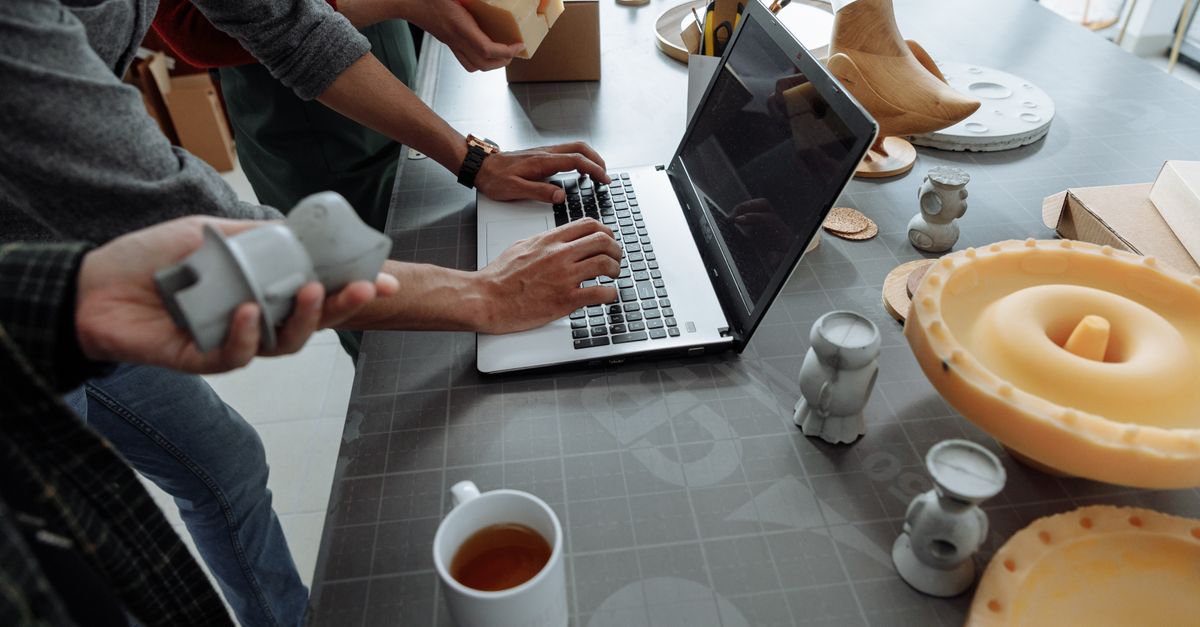
3D Printed Molds and Casting Patterns
3D printed molds and casting patterns let you make silicone, urethane, and thermoformed parts without steel tooling. Here is what works and what does not.
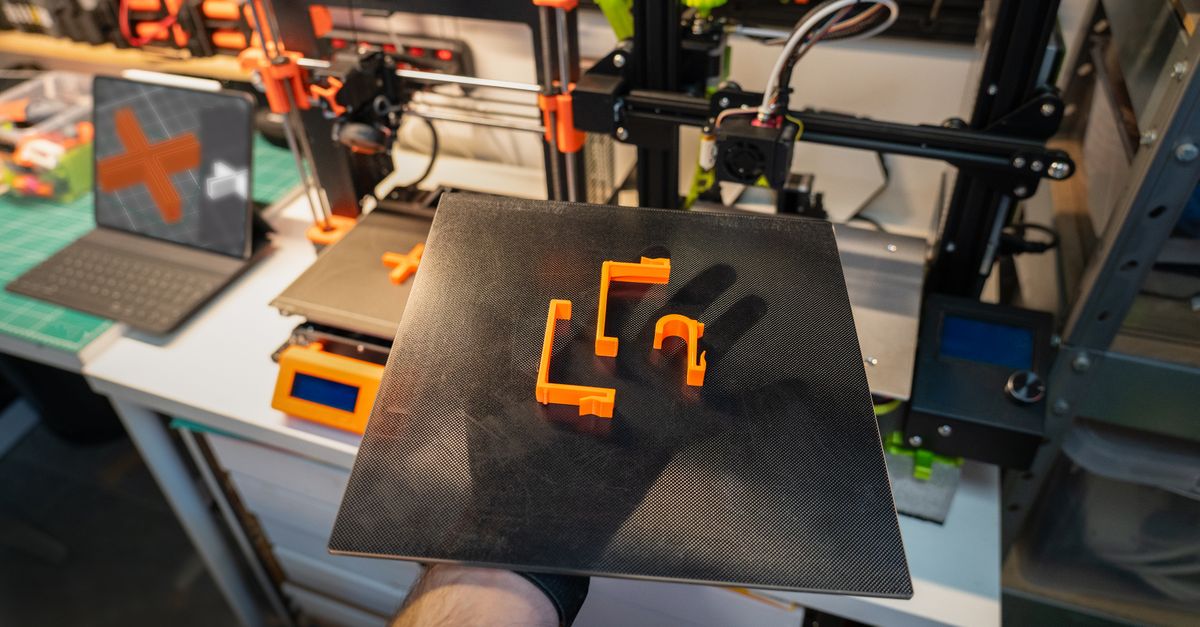
Embedding Magnets and Hardware in 3D Prints
Embedding magnets in 3D prints adds function and clean assembly. Learn pocket sizing, pause-and-insert steps, and design rules that work in FDM.
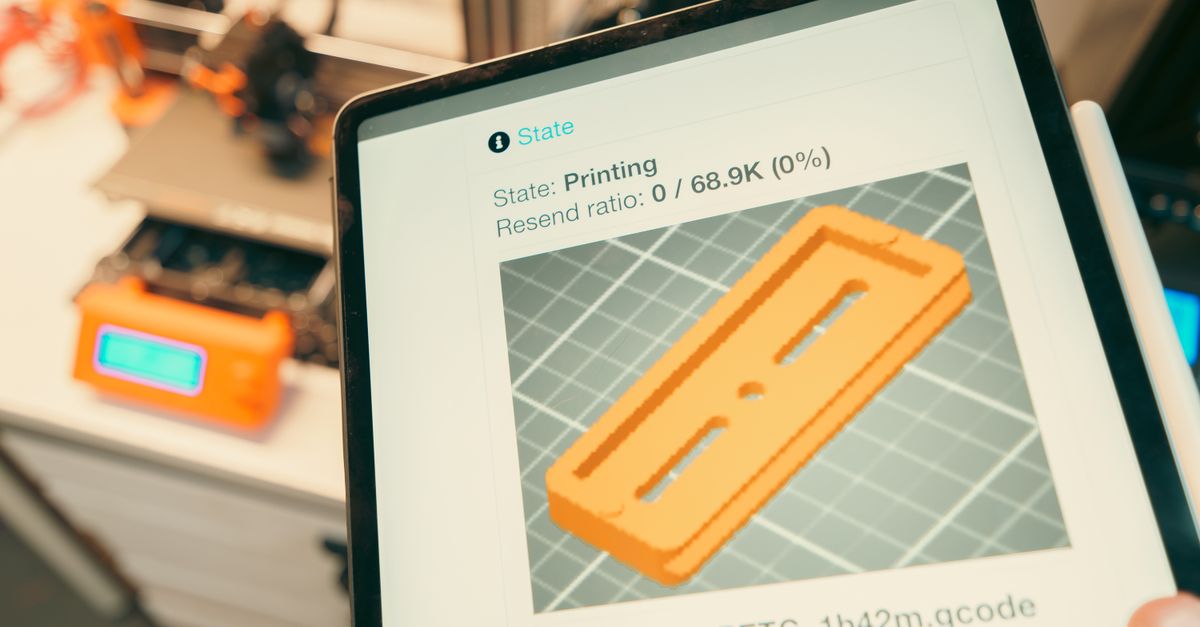
ESD-Safe 3D Printed Parts for Electronics
ESD-safe 3D printing explained: why standard PLA and PETG generate static, what dissipative filaments do, and where printed parts fit in electronics work.