

Photo by Jakub Zerdzicki on Pexels
3D Printing Material Storage Best Practices

3D Printing Material Storage Best Practices
Whether you’re managing 3D printing in-house or working with a service provider, understanding proper filament storage is crucial for print quality and cost control. Moisture-absorbed filament leads to failed prints, wasted time, and frustrated teams. Here’s what every business needs to know about protecting their 3D printing materials investment.
Why Filament Storage Matters More Than You Think
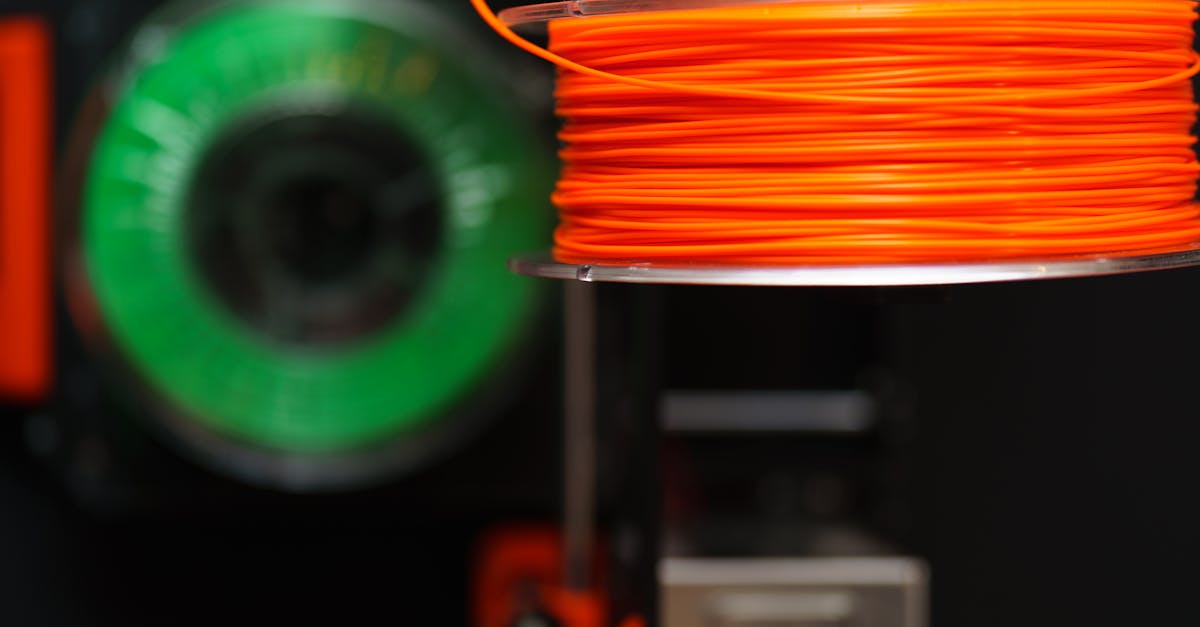
Hygroscopic materials actively pull moisture from the air. Most 3D printing filaments are hygroscopic, meaning they absorb water vapor from their environment. This isn’t just a minor inconvenience - moisture-laden filament causes stringing, poor layer adhesion, brittleness, and dimensional inaccuracy. For businesses relying on consistent part quality, proper storage isn’t optional.
The financial impact compounds quickly. A single spool of engineering-grade PETG costs $30-50. If moisture ruins it halfway through, you’ve lost material cost plus machine time and labor. Multiply that across dozens of spools and multiple print failures, and poor storage practices can cost thousands annually.
Material-Specific Storage Requirements
PLA Storage Guidelines
PLA is relatively forgiving but still benefits from proper storage. While it absorbs moisture slower than other materials, extended exposure still degrades print quality. Store PLA at:
- Humidity: Below 50% RH (relative humidity)
- Temperature: 60-75°F (15-24°C)
- Container: Sealed bags or boxes with desiccant
Pro tip: PLA can become brittle over time even in perfect conditions. Date your spools and use older stock first.
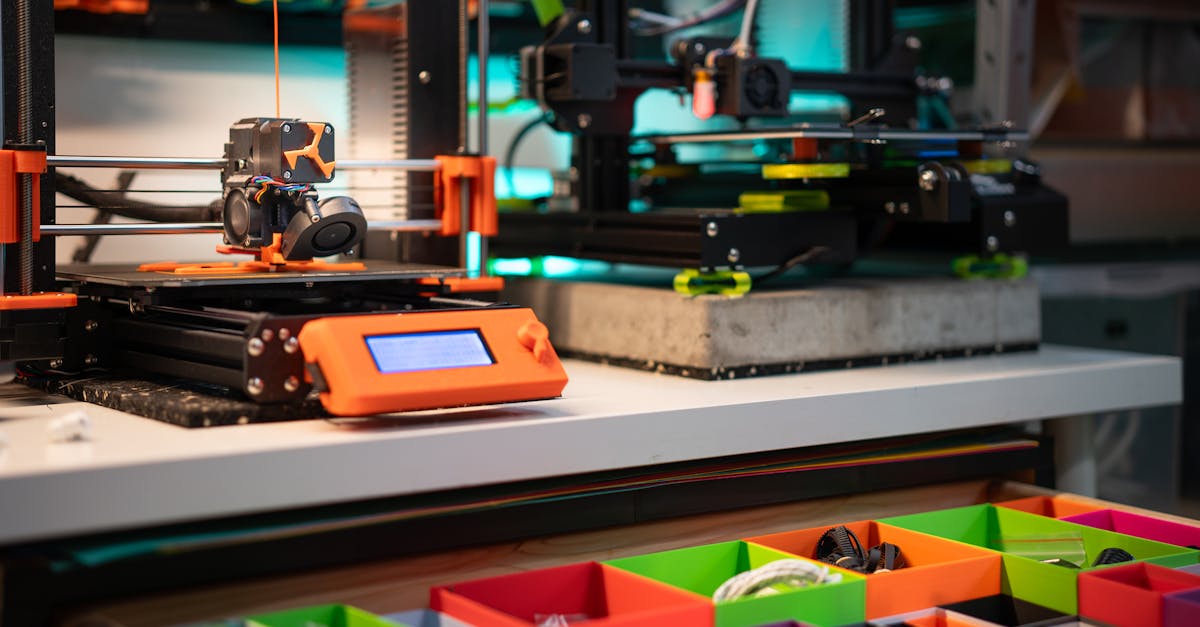
Photo by Jakub Zerdzicki on Pexels
PETG Storage Requirements
PETG demands stricter storage conditions. This engineering material excels at chemical resistance and durability but readily absorbs moisture. Storage specifications:
- Humidity: Below 30% RH
- Temperature: 65-75°F (18-24°C)
- Container: Airtight containers mandatory
- Drying: 4-6 hours at 65°C before use if exposed
We run PETG daily at CLT 3D Printing, and proper storage makes the difference between smooth prints and hours of troubleshooting.
ABS and ASA Storage Needs
ABS and ASA require similar storage approaches:
- Humidity: Below 40% RH
- Temperature: 60-75°F (15-24°C)
- Container: Sealed storage recommended
- Note: These materials are less hygroscopic than PETG but still benefit from moisture control
Specialty Materials: Nylon and TPU
Nylon is extremely hygroscopic and can absorb moisture within hours of exposure. TPU also readily absorbs water, affecting its flexibility and print quality. Both require:
- Humidity: Below 20% RH
- Temperature: 60-70°F (15-21°C)
- Container: Vacuum-sealed bags ideal
- Drying: Often required before every use
Practical Storage Solutions for Business Settings
Small-Scale Storage (1-10 Spools)
Sealed storage boxes with rechargeable desiccant packs. For businesses maintaining small material inventories, weathertight storage boxes from hardware stores work well. Add:
- Indicating silica gel packs (change color when saturated)
- Digital hygrometers ($10-15 each)
- Labels with material type and date opened
Total investment: Under $100 for a basic system protecting $300-500 in materials.
Medium-Scale Storage (10-50 Spools)
Consider investing in purpose-built filament storage:
- Dry storage cabinets ($200-500)
- Multiple sealed containers on shelving
- Centralized humidity monitoring
- First-in-first-out (FIFO) rotation system
This scale justifies dedicated storage furniture and monitoring systems.
Large-Scale Storage (50+ Spools)
Production environments need professional solutions:
- Climate-controlled storage rooms
- Industrial dehumidifiers
- Automated inventory tracking
- Pre-print drying stations
- Backup power for climate control
The investment scales with material value. Protecting $5,000+ in filament inventory justifies $1,000-2,000 in storage infrastructure.
Signs Your Filament Has Absorbed Moisture
Watch for these indicators during printing:
- Popping or crackling sounds from the hotend
- Steam or bubbles in extruded material
- Excessive stringing between parts
- Poor layer adhesion or delamination
- Rough surface texture instead of smooth layers
- Brittle filament that snaps when bent
Don’t wait for print failures. Regular humidity monitoring prevents problems before they start.
Filament Drying and Recovery Methods
Moisture-damaged filament isn’t always lost. Proper drying can restore most materials:
Food Dehydrator Method
- Cost: $40-80
- Temperature control: Usually adequate
- Capacity: 2-4 spools
- Time: 4-8 hours depending on material
Filament Dryer Boxes
- Cost: $50-150
- Purpose-built for 3D printing
- Can print while drying
- Best for regular use
Oven Drying (Caution Required)
- Use only with accurate temperature control
- Risk of melting if temperature spikes
- Not recommended for production environments
Critical temperatures:
- PLA: 40-45°C (4-6 hours)
- PETG: 65°C (4-6 hours)
- ABS: 80°C (4-6 hours)
- Nylon: 80°C (8-12 hours)
Building a Storage Protocol for Your Team
Successful storage requires consistent processes:
- Incoming inspection - Check new filament condition
- Proper labeling - Material, color, date received, date opened
- Storage assignment - Designated locations by material type
- Usage tracking - Log when spools are opened
- Regular audits - Monthly humidity checks
- Rotation schedule - Use older materials first
Document these procedures. New team members need clear guidance to maintain standards.
Working with 3D Printing Service Providers
When outsourcing to services like CLT 3D Printing, ask about material storage protocols:
- How do they store different materials?
- What humidity controls are in place?
- How fresh is their material stock?
- Do they dry filament before critical prints?
Professional services invest in proper storage infrastructure. It’s one differentiator between hobby-level and business-grade providers.
Cost-Benefit Analysis of Proper Storage
Consider a small business with 20 spools averaging $40 each ($800 inventory):
Without proper storage:
- 15% material loss to moisture annually: $120
- 10 failed prints per year (4 hours each): 40 hours labor
- Machine downtime: 40 hours lost productivity
- Total impact: $500-1,000+ annually
With proper storage ($200 investment):
- Reduced material loss to 2%: $16
- Failed prints reduced by 80%
- ROI achieved in 3-4 months
The math becomes more compelling as inventory grows.
Environmental Monitoring Technology
Modern solutions make humidity tracking effortless:
Wireless Sensors
- Real-time monitoring via smartphone
- Alerts when conditions exceed limits
- Historical data tracking
- Cost: $30-50 per sensor
Data Logging
- Track storage conditions over time
- Identify problem areas
- Prove material handling for quality systems
- Integrate with existing building management
Technology investment pays dividends through prevented failures and quality documentation.
Planning Your Material Storage Upgrade
Start with these steps:
- Audit current storage - Where are materials now? What are the conditions?
- Calculate material value - Total inventory worth protecting
- Identify problem areas - Which materials fail most often?
- Set target conditions - Define acceptable humidity ranges
- Budget for solutions - Balance cost with material value
- Implement gradually - Start with highest-value materials
- Monitor results - Track failure rates before and after
Remember: perfect storage for one spool beats mediocre storage for twenty.
Partner with CLT 3D Printing for Reliable Results
Material storage is just one variable in successful 3D printing. At CLT 3D Printing, we maintain strict environmental controls for all materials, ensuring your parts meet specifications every time. Whether you need rapid prototyping, small-batch production, or custom design services, our properly stored materials deliver consistent results.
Skip the storage headaches and failed prints. Let our expertise and infrastructure work for your business. Start your project today and experience the difference professional material handling makes.
Related Resources
- PLA vs PETG vs ABS: Materials Compared - Understand material properties and applications
- Quality Control for 3D Printed Parts - Learn about comprehensive quality systems
- Failed Print Recovery Guide for Business Projects - What to do when prints go wrong
- Best 3D Printing Service Selection Guide - Choose the right service provider
Related Articles
Waterproofing 3D Prints: Methods & Materials
Learn proven techniques to make FDM 3D printed parts waterproof for outdoor and liquid-contact applications.
3D Printing Validation Testing Guide
Master validation testing for 3D printed parts with dimensional checks, strength tests, and material verification methods.
Cost-Per-Part Calculator for 3D Printing
Master the hidden variables that determine your true 3D printing costs and make smarter sourcing decisions.