
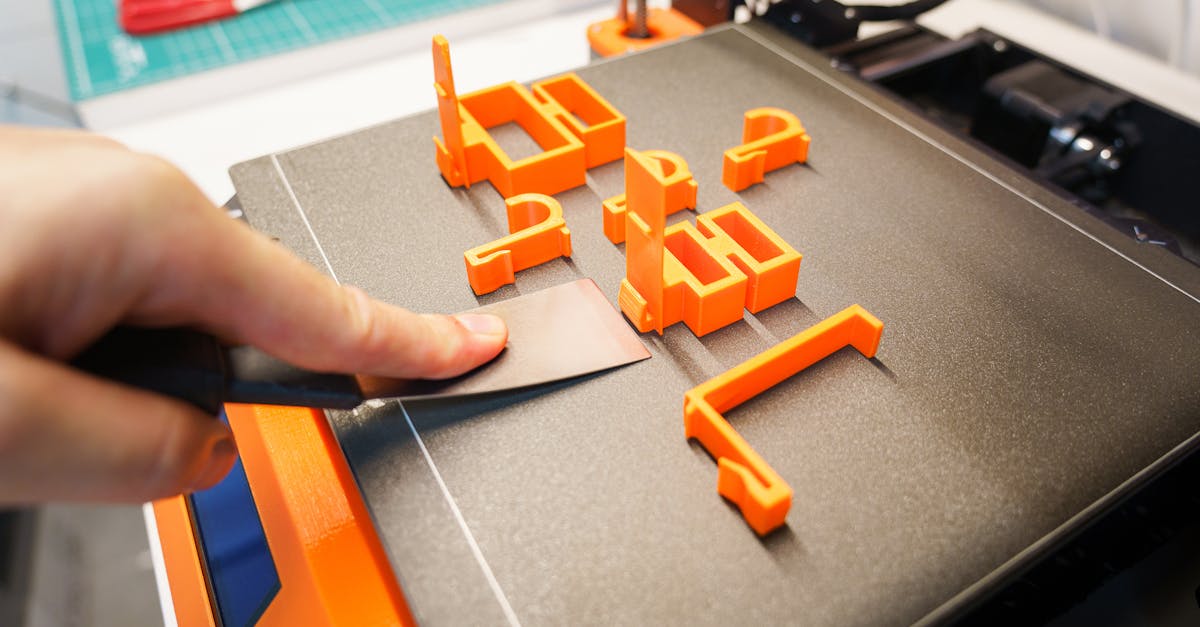
Photo by Jakub Zerdzicki on Pexels
5 Industries Revolutionized by FDM Printing

5 Industries Revolutionized by FDM Printing
While many businesses know about 3D printing for prototyping, fewer realize how deeply FDM (Fused Deposition Modeling) technology has penetrated entire industries. Beyond the well-documented automotive and aerospace sectors, five industries are quietly transforming their operations through strategic FDM adoption. Understanding these transformations reveals opportunities your business might be missing.
Robotics and Automation: Custom Grippers and End Effectors
The robotics industry discovered FDM’s sweet spot. Traditional metal end effectors and grippers often weigh too much for collaborative robots (cobots) and smaller automation systems. FDM-printed components in materials like PETG offer the perfect balance - strong enough for repetitive industrial use, light enough to maximize robot payload capacity, and infinitely customizable.
Consider a packaging line that handles products ranging from delicate electronics to heavy automotive parts. Each product type traditionally required a different metal gripper, costing thousands per design and weeks to manufacture. With FDM printing, engineers iterate through gripper designs in days, testing different geometries and compliance levels. The final designs print overnight in engineering-grade plastics.
Material selection matters here. PLA works for proof-of-concept testing, but production grippers typically need PETG’s chemical resistance and durability. For high-temperature applications near heat sealers or ovens, materials like ABS or specialty high-temp filaments become necessary. The ability to switch materials based on application requirements - without retooling - gives robotics engineers unprecedented flexibility.
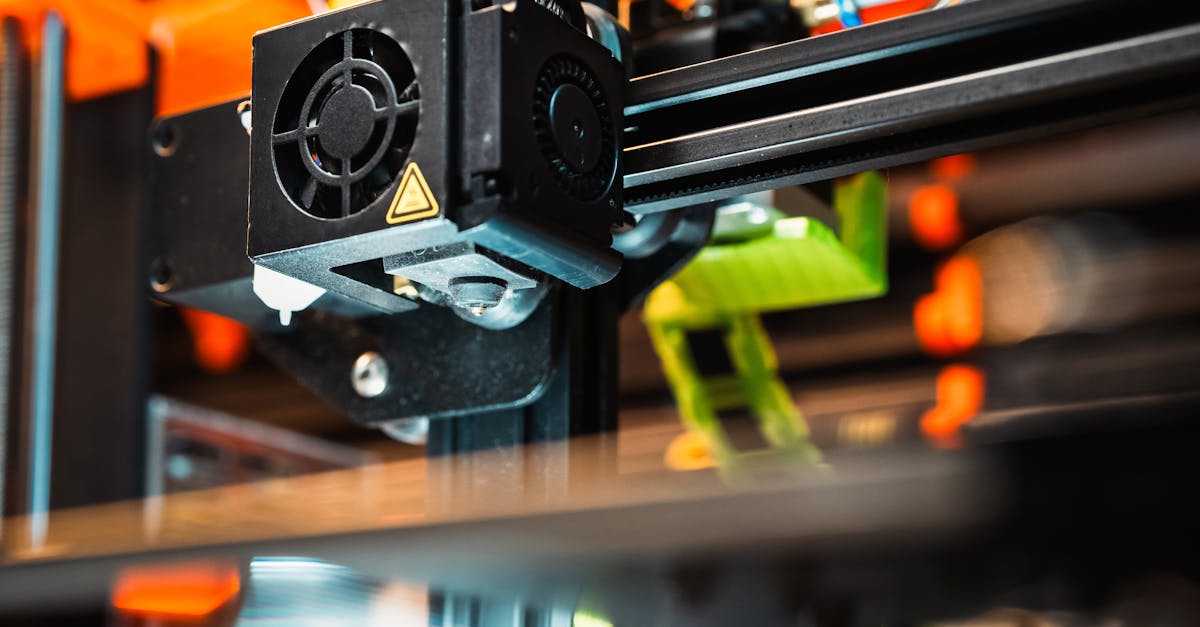
Photo by Jakub Zerdzicki on Pexels
HVAC and Building Systems: Ductwork Prototypes and Custom Fittings
The HVAC industry faces a perpetual challenge: every building is different. Standard ductwork components rarely fit perfectly, leading to field modifications, efficiency losses, and installation headaches. FDM printing changes this equation by enabling cost-effective custom fittings and rapid prototyping of airflow solutions.
Prototyping complex airflow patterns becomes practical. HVAC engineers can print scale models of entire duct systems, testing airflow patterns before committing to sheet metal fabrication. These prototypes reveal dead zones, turbulence points, and optimization opportunities that computational fluid dynamics software might miss. A 1:10 scale model of a commercial building’s HVAC system prints in sections over a few days, assembled to validate the design before cutting a single piece of metal.
Custom transition pieces and odd-angle fittings print directly from CAD files. Instead of hand-fabricating these pieces from sheet metal - a skilled but time-consuming process - installers receive precisely fitted components. For older buildings with non-standard dimensions, scanning existing ductwork and printing exact-fit adapters eliminates the guesswork.
Testing materials for HVAC applications requires careful selection. While PLA works for prototypes and models, actual ductwork components need materials rated for temperature variations and potential UV exposure. PETG handles most indoor applications, while ASA or specialized UV-resistant materials work for rooftop installations.
Consumer Electronics: Rapid Iteration and Small-Batch Accessories
The consumer electronics industry moves at breakneck speed. Product lifecycles measured in months, not years, demand manufacturing approaches that match this pace. FDM printing enables electronics companies to iterate faster and produce small batches of accessories economically.
Internal component organization drives adoption. Modern electronics pack incredible functionality into tiny spaces. FDM-printed brackets, clips, and guides organize internal cables, secure batteries, and position antennas precisely. These components change with each design iteration - printing them eliminates minimum order quantities and multi-week lead times from injection molding suppliers.
Accessories and add-ons benefit even more from FDM flexibility. Consider a tablet manufacturer offering custom mounting solutions for different industries. Healthcare needs antimicrobial mounts, retail requires theft-resistant designs, and field service demands rugged cases. Each market segment might only need hundreds of units - far below injection molding minimums. FDM printing makes these small-batch accessories profitable.
Material requirements vary by application. Basic accessories work well in PLA, especially for indoor use. PETG provides better impact resistance for protective cases. For components that contact skin regularly, like wearable device bands or ergonomic grips, TPU offers comfort and flexibility. The ability to match materials to specific use cases - without changing manufacturing processes - gives product designers tremendous freedom.
Agriculture Technology: Field-Ready Custom Solutions
Modern agriculture relies heavily on technology, from GPS-guided tractors to drone crop monitoring. But agricultural environments challenge standard components with dust, moisture, chemicals, and extreme temperatures. FDM printing enables ag-tech companies to create custom solutions that survive these conditions.
Sensor housings showcase FDM’s advantages. Agricultural IoT devices monitor soil moisture, temperature, nutrient levels, and dozens of other parameters. Each installation faces unique challenges - different mounting requirements, varying exposure levels, specific cable routing needs. Printing custom housings for each deployment ensures perfect fit and optimal protection. A soil monitoring company might deploy sensors across thousands of acres, each with slightly different housing requirements based on local conditions.
Drone and UAV components for agricultural use benefit similarly. Custom camera mounts accommodate different sensor packages. Spray nozzle holders adapt to various chemical application needs. Landing gear extensions handle rough field conditions. These components print on-demand as needs arise, eliminating inventory of rarely-used parts.
Material selection for agriculture demands careful consideration. Standard PLA degrades quickly in outdoor conditions. PETG offers better weather resistance but may soften in direct summer sun. ASA provides excellent UV resistance for components with direct sun exposure. For chemical resistance against fertilizers and pesticides, specialized materials or post-processing coatings become necessary.
Medical Device Development: Compliance-Ready Prototyping
The medical device industry faces unique challenges. Stringent regulations, long development cycles, and critical performance requirements create barriers to innovation. FDM printing accelerates development while maintaining compliance readiness.
Functional prototyping accelerates FDA submissions. Medical device companies use FDM printing to create functional prototypes that demonstrate device operation to regulators. These aren’t just visual models - they’re working devices that prove concepts before investing in production tooling. A company developing a new surgical instrument might print dozens of iterations, testing ergonomics with surgeons and refining the design based on feedback.
Custom fixtures for testing and quality control multiply FDM’s value. Medical devices require extensive testing - drop tests, cycle tests, biocompatibility evaluations. Each device needs specific holding fixtures, alignment jigs, and testing adapters. Printing these fixtures on-demand reduces development costs and accelerates time-to-market.
Production bridge manufacturing fills critical gaps. While waiting for injection molding tools or during clinical trials, FDM printing produces small batches of devices. These aren’t final production units, but they enable real-world testing and early market feedback. A startup developing a novel drug delivery device might print hundreds of units for clinical trials, gathering data that informs the final production design.
The Common Thread: Flexibility and Speed
Across these five industries - robotics, HVAC, consumer electronics, agriculture technology, and medical devices - FDM printing solves similar challenges. Each industry needs rapid iteration, custom solutions, and economical small-batch production. Traditional manufacturing methods force compromises: accepting standard components that almost fit, ordering minimum quantities that create waste, or waiting weeks for custom parts.
FDM printing eliminates these compromises. Engineers design exactly what they need, print it within days, and iterate based on real-world testing. Small batches become economical. Custom solutions become standard practice. The question shifts from “can we afford to customize?” to “can we afford not to?”
Understanding material capabilities unlocks FDM’s full potential. PLA enables rapid prototyping and indoor applications. PETG provides durability and chemical resistance for production parts. Specialty materials like TPU, nylon, and carbon fiber composites address specific performance requirements. This material flexibility, combined with design freedom and rapid turnaround, explains why these industries embrace FDM technology.
Ready to Transform Your Industry?
Whether you’re in one of these industries or another sector entirely, FDM printing likely offers untapped potential for your business. From rapid prototyping to small-batch production, the technology adapts to your needs. Our custom design services help you optimize parts for FDM printing, even if you don’t have CAD files ready.
Let’s explore how FDM printing can revolutionize your operations. Start your custom project today and join the industries already transforming through additive manufacturing.
Related Resources:
Related Articles
Waterproofing 3D Prints: Methods & Materials
Learn proven techniques to make FDM 3D printed parts waterproof for outdoor and liquid-contact applications.
3D Printing Validation Testing Guide
Master validation testing for 3D printed parts with dimensional checks, strength tests, and material verification methods.
Cost-Per-Part Calculator for 3D Printing
Master the hidden variables that determine your true 3D printing costs and make smarter sourcing decisions.