

Photo by Jakub Zerdzicki on Pexels
Print Farm Management: Scaling Production

Print Farm Management: Scaling Production
Behind every successful 3D printing service lies a well-orchestrated print farm - a collection of printers working in harmony to meet production demands. Understanding how print farms operate can help you better evaluate service providers and plan your own production needs.
The print farm concept transforms 3D printing from a single-machine hobby into a scalable manufacturing solution. Whether you’re evaluating a service provider or considering bringing production in-house, knowing the fundamentals of print farm operations helps you make informed decisions about your manufacturing strategy.
What Makes a Print Farm Different
A print farm isn’t just multiple printers in a room. It’s a coordinated system designed for efficiency, redundancy, and scale. Think of it as the difference between a home kitchen and a commercial restaurant kitchen - both cook food, but one is engineered for consistent, high-volume output.
Scale brings unique challenges. A single printer might need checking every few hours. Ten printers running different jobs simultaneously require systematic workflows, standardized procedures, and often specialized software to track everything from filament usage to maintenance schedules.
The economics change dramatically too. While a single printer might sit idle between projects, a print farm spreads fixed costs across multiple jobs. This efficiency enables competitive pricing for small-batch production while maintaining quality standards.
Essential Components of Efficient Operations
Printer standardization forms the backbone of any efficient print farm. Running the same printer models with identical configurations reduces the learning curve, simplifies maintenance, and ensures consistent output across different machines. This standardization extends to materials too - maintaining a core set of well-understood materials like PLA and PETG enables predictable results.
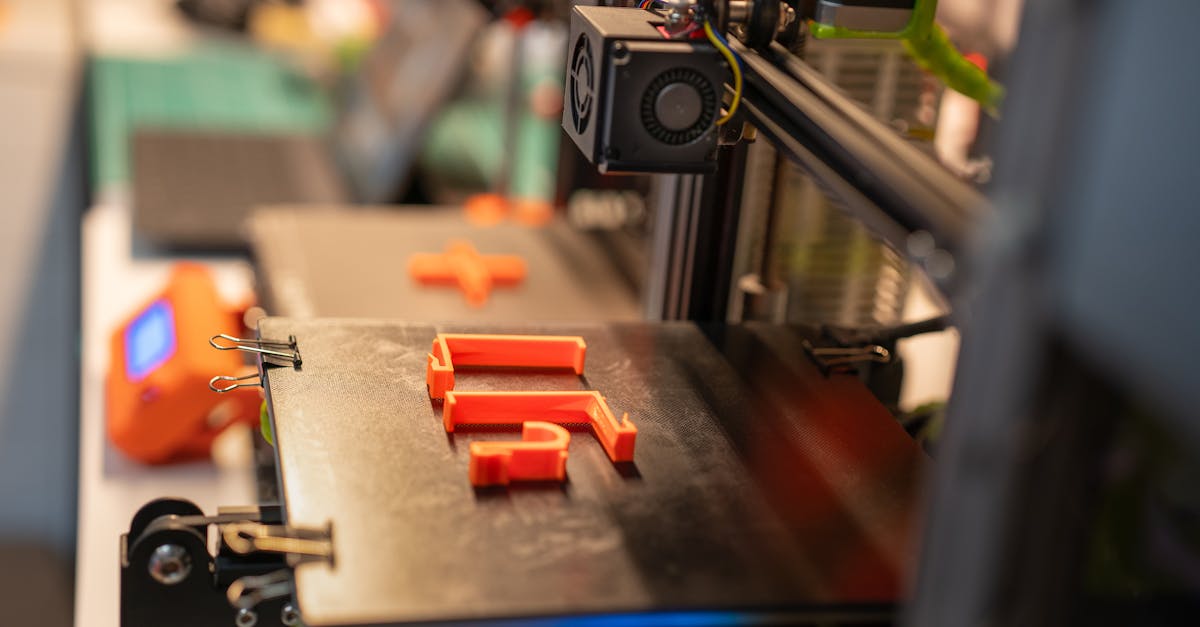
Photo by Jakub Zerdzicki on Pexels
Material management becomes critical at scale. A single printer might use a spool every few days. A farm can burn through dozens weekly. Smart farms implement inventory systems that track not just quantity but also material age, color batches, and supplier lots. This attention to detail prevents the nightmare scenario of running out of material mid-production or discovering color variations between parts.
Temperature and humidity control matter more than most people realize. Materials like PETG are hygroscopic - they absorb moisture from the air. In a production environment, this can lead to print failures, surface defects, and inconsistent mechanical properties. Professional print farms maintain controlled environments and proper material storage to ensure every print meets specifications.
Quality Control at Scale
Quality control in a print farm differs fundamentally from checking a single prototype. When producing hundreds of parts, statistical process control becomes essential. This means establishing clear acceptance criteria, implementing regular checks, and documenting everything.
First article inspection sets the standard for production runs. Before committing to printing 100 units, a sample part gets thoroughly checked against specifications. Dimensions, surface finish, and functional requirements all get verified. Only after approval does full production begin. This approach, borrowed from traditional manufacturing, prevents costly mistakes from multiplying across an entire batch.
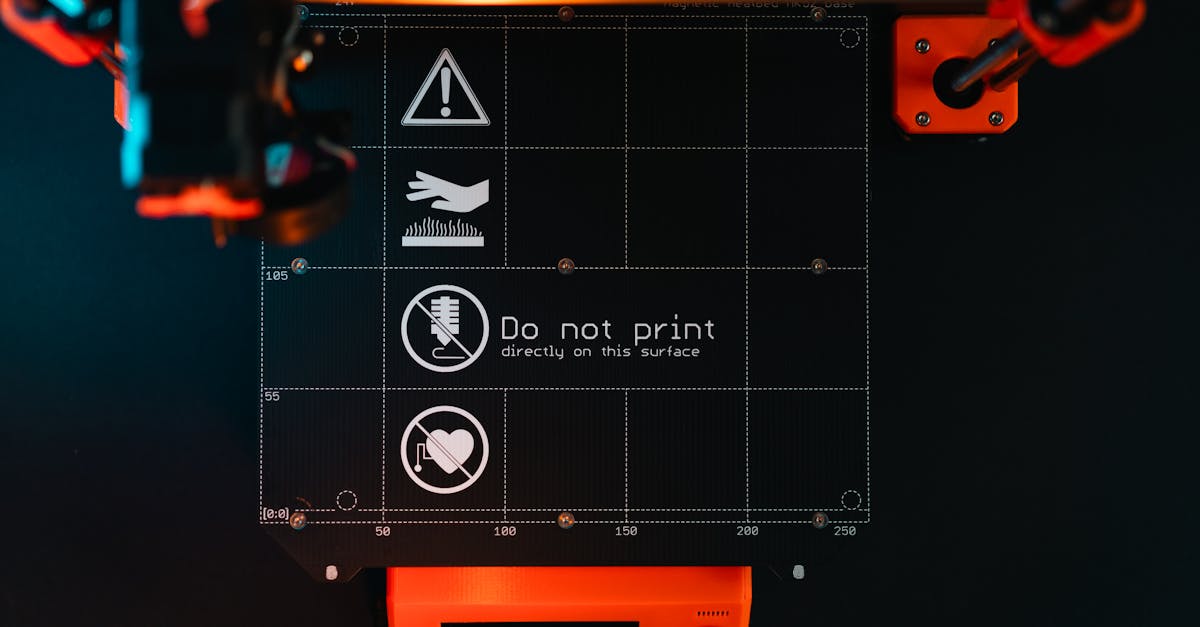
Build plate adhesion presents unique challenges at scale. What works for one print might fail after repeated cycles as build surfaces wear. Smart operators rotate between multiple build plates, allowing proper cleaning and preparation while other printers keep running. Some farms implement automated bed leveling systems or specialized surfaces that maintain consistency over thousands of prints.
Post-processing workflows need careful planning too. Support removal, surface finishing, and quality inspection must keep pace with printer output. Bottlenecks here negate the speed advantages of multiple printers. Efficient farms batch similar post-processing tasks and maintain dedicated stations for each operation.
Software That Ties Everything Together
Print farm management software transforms chaos into order. Modern solutions track job queues, predict completion times, and even automatically distribute files to available printers. This orchestration layer becomes essential once you’re juggling multiple client orders across different printers.
Slicing software plays a crucial role too. While hobbyists might carefully tune settings for each print, production environments need standardized profiles that work reliably across different geometries. These profiles balance speed, quality, and material usage based on extensive testing and refinement.
Some advanced farms implement remote monitoring systems. Cameras and sensors on each printer feed data to central dashboards. Operators can spot failures quickly, track progress, and even pause prints remotely if issues arise. This technology particularly benefits overnight and weekend runs, maximizing equipment utilization.
Scheduling and Capacity Planning
Effective scheduling separates profitable print farms from money pits. Unlike traditional manufacturing where machines might run the same part for days, 3D printing serves diverse needs. A farm might handle rapid prototyping in the morning, switch to production parts in the afternoon, and run long automotive restoration pieces overnight.
Understanding print time estimation helps both service providers and their clients. A part that looks simple might require extensive support material, doubling print time. Conversely, tall thin parts can often share build plates, improving efficiency. Experienced operators develop intuition for these factors, but software increasingly handles optimization automatically.
Rush jobs create scheduling challenges. keeping some capacity in reserve allows flexibility for urgent requests without disrupting existing commitments. Smart farms charge premium rates for expedited service, reflecting the true cost of reorganizing production schedules.
Material Expertise Drives Success
While print farms can theoretically run any material, specialization improves quality and efficiency. At CLT 3D Printing, we focus primarily on PLA and PETG because we understand their properties intimately. This expertise means fewer failed prints, better surface finishes, and more predictable outcomes for our clients.
PLA remains the workhorse of most print farms. Its ease of printing, dimensional stability, and low warpage make it ideal for corporate awards, prototypes, and display pieces. The material’s biodegradability also appeals to environmentally conscious clients.
PETG fills the gap when PLA’s temperature resistance isn’t sufficient. Parts for drone and UAV applications often require PETG’s superior durability and chemical resistance. The material’s slight flexibility also helps in manufacturing fixtures that need to withstand repeated use.
While we can work with specialty materials like ABS, ASA, Nylon, and TPU, these require different handling, temperatures, and often dedicated equipment. This is why many successful print farms choose material focus over trying to be everything to everyone.
Maintenance: The Hidden Success Factor
Preventive maintenance schedules keep print farms profitable. A failed printer during a production run costs more than just repair time - it disrupts schedules, risks client relationships, and reduces capacity when you need it most. Smart operators treat printers like production equipment, not hobbyist tools.
Nozzle replacement follows predictable patterns based on material and usage. Abrasive materials like carbon fiber composites can destroy a brass nozzle in days. Even with standard PLA, nozzles gradually wear, affecting print quality. Scheduled replacement prevents quality degradation and failed prints.
Mechanical maintenance matters too. Belts stretch, bearings wear, and alignment drifts over thousands of hours of operation. Regular tension checks, lubrication, and calibration keep printers performing at specification. Some farms maintain spare printers specifically to handle overflow during maintenance windows.
Future Trends in Print Farm Technology
The industry continues evolving toward greater automation and intelligence. Automated material handling systems already exist in large industrial installations. As costs decrease, smaller farms will adopt these technologies, further improving efficiency and reducing labor costs.
Artificial intelligence increasingly optimizes print farm operations. Machine learning algorithms can predict print failures before they occur, optimize support generation, and even automatically adjust settings based on part geometry. These advances help smaller operations compete with larger facilities by maximizing their efficiency.
The recent news about the 3D printing market hitting $16 billion shows continued growth and maturation. As more manufacturers recognize the value of on-demand production, print farms will play an increasingly important role in the supply chain. The shift from prototype to production, particularly noted in the marine sector, demonstrates how seriously industry now takes additive manufacturing.
Ready to Leverage Print Farm Efficiency?
Understanding print farm operations helps you make better decisions about your 3D printing needs. Whether you’re considering small-batch production or need rapid turnaround on prototypes, working with an established print farm provides the scale and expertise to meet your requirements.
At CLT 3D Printing, our growing print farm in Charlotte serves businesses throughout North Carolina with reliable, scalable production. We’ve invested in standardized equipment, proven materials, and efficient workflows to deliver consistent results whether you need 10 parts or 500.
Start your custom order today and experience the advantages of professional print farm production for your business.
Learn More About 3D Printing for Business
Related Articles
Waterproofing 3D Prints: Methods & Materials
Learn proven techniques to make FDM 3D printed parts waterproof for outdoor and liquid-contact applications.
3D Printing Validation Testing Guide
Master validation testing for 3D printed parts with dimensional checks, strength tests, and material verification methods.
Cost-Per-Part Calculator for 3D Printing
Master the hidden variables that determine your true 3D printing costs and make smarter sourcing decisions.